Six Years In, Some Things Still Don't Work
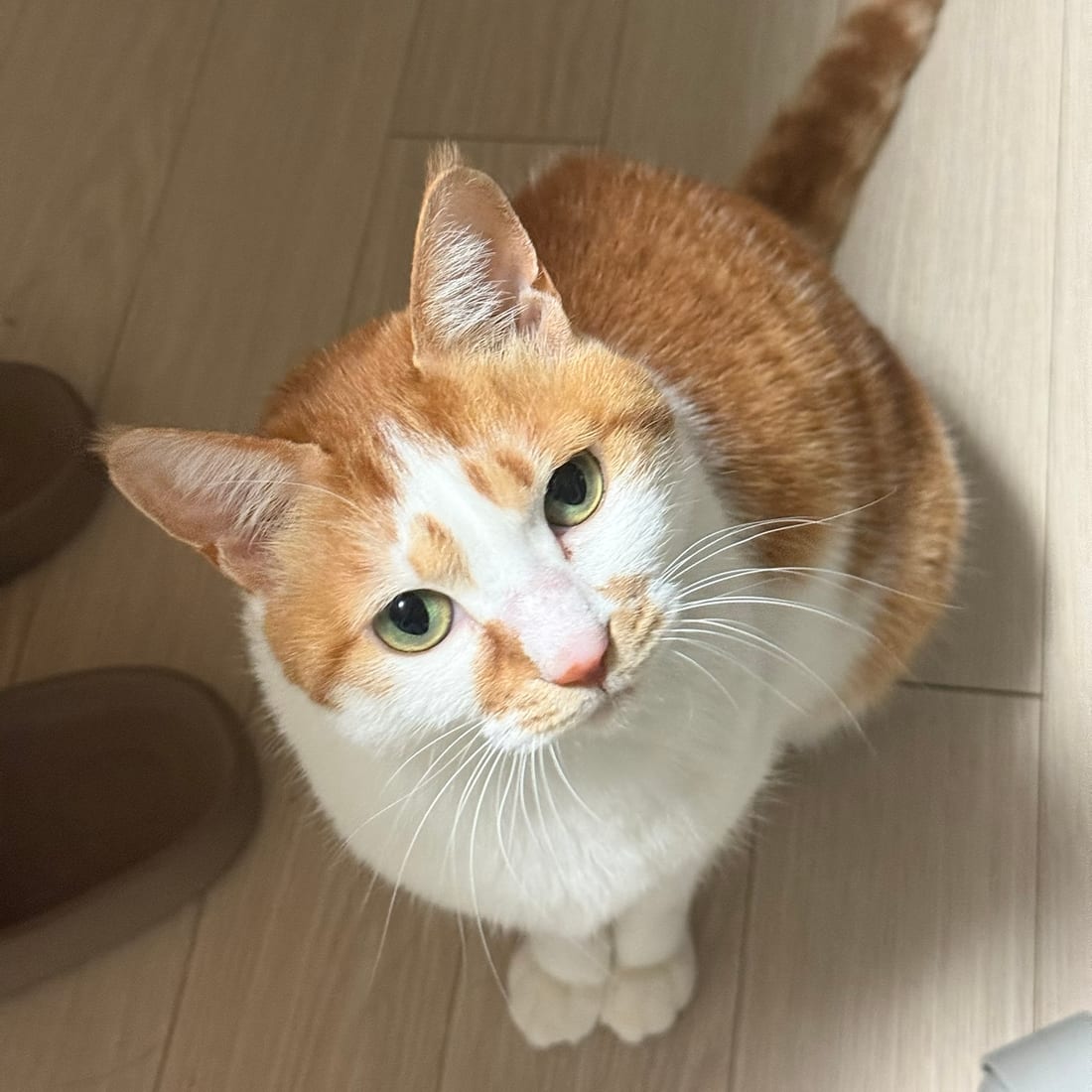
Six years in, some things with our rescue cat Yuja still don’t work — and we’ve stopped trying to fix them. She won’t let us clip her nails. She won’t take a second treat from anyone, ever. She doesn’t respond to her name. We made peace with all of it, and honestly the relationship is fine. Better than fine.
If you’re a year or two into a shy rescue and waiting for the day everything “clicks,” here’s the honest version: some things do click, some things improve slowly, and some things never budge. Knowing which is which saves you a lot of frustration.
What actually changed over six years
Plenty did improve, so let’s start there. Yuja arrived hiding behind the washing machine for about two weeks — a little over ten days, though we honestly don’t know the exact day she started coming out. We fed her with a grabber tool because reaching in got us scratched and bitten.
Compare that to now:
| Then (first weeks) | Now (year 6) |
|---|---|
| Hid behind the washer for 10+ days | Sleeps out in the open, in shared rooms |
| Hissed at a phone camera pointed at her | Comes over and asks to be scratched |
| Bit if her paw fur was brushed | Lets us touch her paws (once — not twice) |
| Bolted at plastic bag sounds | Stands and watches, doesn’t run |
That’s genuine progress, and it took years, not months. The paw thing alone took four years before she’d let a hand land there. So the fears that improved didn’t vanish — they shrank. If you want the full arc, we laid it out in our six-year trust timeline.
Why won’t my rescue cat let me trim her nails after years?
Some cats just never accept it, and no amount of time guarantees they will. Yuja is a hisser and a biter about her paws. We can now touch them — briefly — but a clipper anywhere near her is still a no. Six years, no forced trim. Meanwhile her sister Mochi lets us clip all ten without a fuss, same house, same people.
What worked for us wasn’t more practice. It was building around the limit:
- We keep tall scratching surfaces everywhere so she wears her nails down herself. If you’re wondering whether that’s enough, we dug into whether a scratching post can replace nail trims.
- We touch one paw, once, and stop before she reacts. Two touches in a row still gets a hiss.
- We accept that a vet visit is the fallback if a nail ever curls too far.
If you’ve hit the same wall, we wrote a whole piece on what to do when you genuinely can’t cut your cat’s nails. The short version: it’s not a personal failure, and there are workarounds.
The advice that never worked for us
A lot of standard rescue advice is good. Some of it just didn’t apply to our cat, and I think it helps to hear that out loud.
“Win her over with treats.” This is the single most common tip, and it flat-out failed with Yuja. She’s as picky about treats as she is about food — she’ll eat something new exactly once, then never again. So we couldn’t build a treat-reward loop. There was no consistent thing to reward her with. We gave up on it entirely and leaned on presence instead: showing up, feeding her, not chasing her.
“Call her name so she associates it with good things.” Six years of saying her name, and she does not respond. Not to food, not to affection, nothing. Mochi comes running; Yuja just doesn’t. We still use her name — mostly to warn her it’s us approaching — but as a training tool, it never took.
“Cats love boxes.” Ours don’t. Both of them ignore boxes completely. It’s not a fear thing, they just don’t care. I mention it because when a common “every cat does X” claim doesn’t match your cat, it’s easy to assume something’s wrong. Usually nothing is.
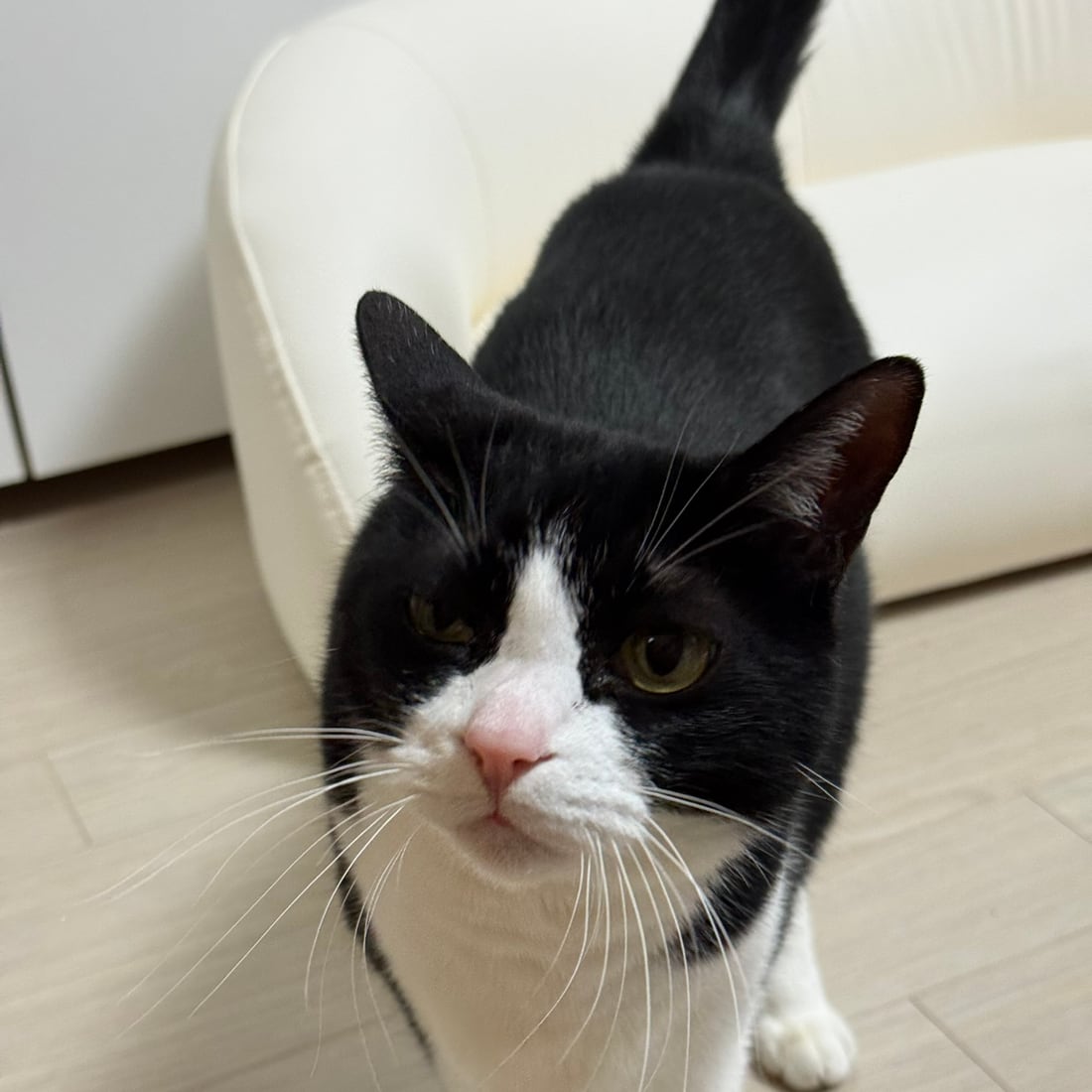
What still doesn’t work — and why we stopped fighting it
Here’s the honest list of things that haven’t changed and probably won’t:
| Thing that still doesn’t work | Our response |
|---|---|
| Nail trims | Scratchers + vet backup, no forced clipping |
| Second touch while petting | Stop at one, let her leave |
| Taking treats reliably | Dropped treat-based bonding entirely |
| Responding to her name | Use it as a heads-up, not a command |
| Plastic bag sounds up close | Keep bags away from her; talk to her when we can’t |
The plastic thing is a good example of accommodating instead of fixing. She’s much better than she used to be — she doesn’t flee anymore. But she still hates a bag coming toward her, so when we have to use one, we either say her name so she knows it’s us, or we act completely indifferent and just do our task. We have no way of knowing where the fear came from; our best guess is something from her time outside, but that’s a guess we can’t confirm. We wrote more about living with a cat scared of plastic bag sounds if that’s your situation too.
One caveat worth saying: if a behavior your cat has been fine with for years suddenly flips — she stops letting you touch a paw she used to allow, or hides where she never did — that’s worth a vet check, because sudden changes can be pain rather than personality.
The strange contradictions you learn to live with
The thing nobody warns you about is how many quirks just coexist with affection, unresolved.
Yuja purrs — but not the way the books say. She doesn’t purr because she’s content. She purrs to demand a scratch. She’ll settle into a loaf next to us, and before our hand even reaches her, she’s already rumbling. Our read is that it’s her way of saying “look at me,” not “I’m happy.” It’s the opposite of the usual explanation, and it took us years to notice.
She also still bites and runs if we pet her too long — wanting the attention and feeling threatened by it at the same time. If that describes your cat, why a cat bites while you’re petting her covers what we’ve figured out.
None of that got “solved.” She’s a cat who asks to be touched and then can’t quite tolerate being touched. Six years in, that’s just who she is, and the relationship works anyway.
So what’s the takeaway?
Stop measuring the bond by the hardest thing. It’s tempting to think you’ll have truly earned a rescue cat’s trust the day she finally lets you clip her nails or takes a treat from your hand. For some cats that day never comes, and it doesn’t mean you failed.
The bond shows up in what did change. Yuja sleeps in the open now. She comes over and purrs for a scratch. She stopped running from the vacuum and the bags. Those are the wins. The nail trims and the treats? We let them go, and the letting-go was part of what made her comfortable.
Patience isn’t the same as persistence. Sometimes the kindest thing is to stop pushing on the door that won’t open, and enjoy the ones that already did.
This article is general information from a cat owner, not veterinary advice. Talk to your vet about your cat's specific situation.