Why Is My Cat Scared of Plastic Bag Sounds?
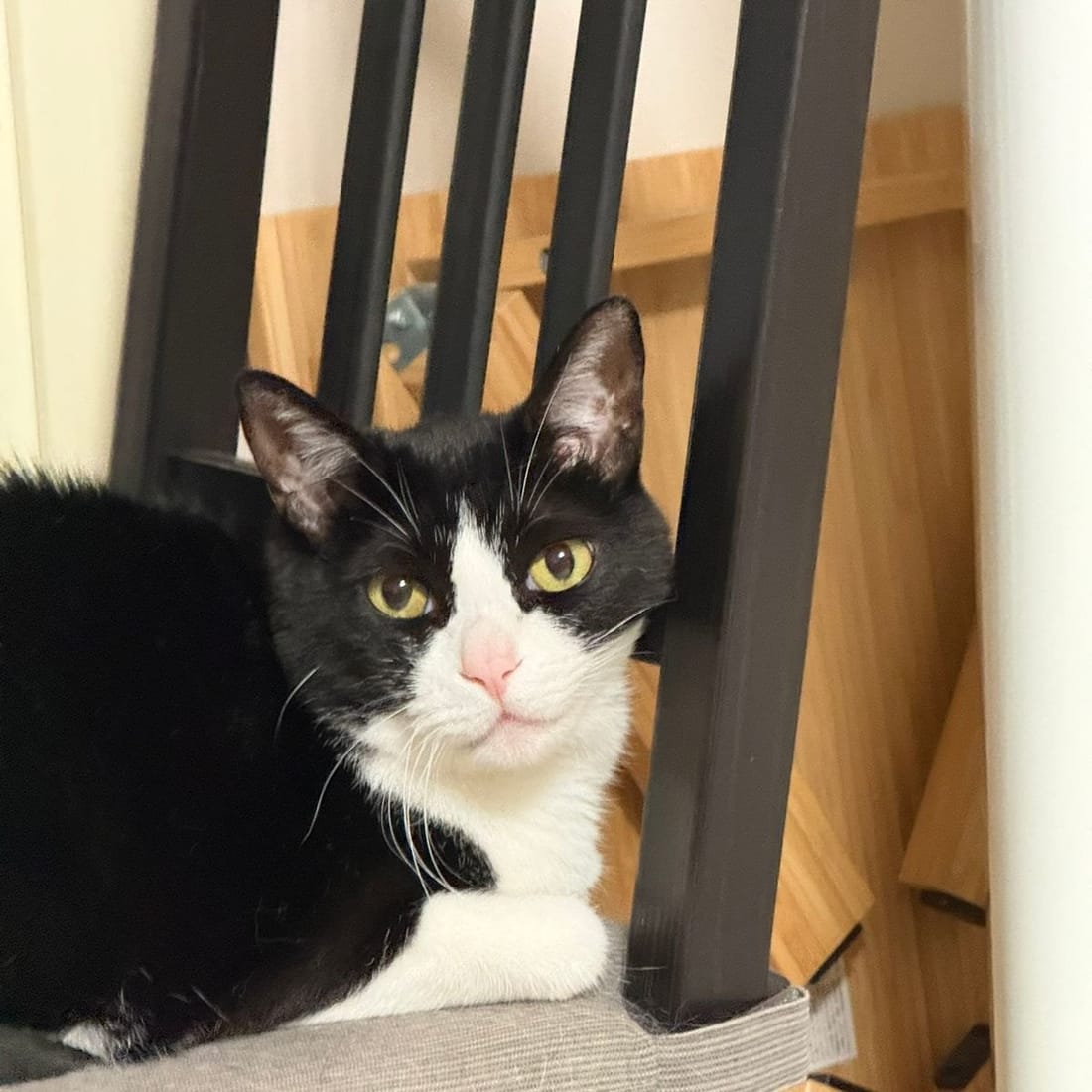
Most cats fear plastic bag sounds because the crinkle is high-pitched, sudden, and irregular — a combination that triggers a cat’s built-in startle reflex. Their ears are tuned to catch small, sharp noises like rustling prey or an approaching threat, so a grocery bag can register as danger even when nothing is wrong.
That’s the short answer. If your cat bolts every time you unpack groceries, she isn’t broken and she isn’t being dramatic. She’s doing exactly what her ears tell her to do.
Why is plastic so scary when a vacuum isn’t?
It comes down to two things: pitch and predictability.
Cats hear well into higher frequencies than we do, and a plastic crinkle is packed with sharp, high-pitched sound. On top of that, the noise is unpredictable. A vacuum is loud but it drones at a steady level, so a cat can size it up, decide it isn’t chasing her, and settle. A bag doesn’t do that. It pops, rustles, goes quiet, then snaps again when you move it. There’s no rhythm to lock onto, so the cat’s nervous system keeps flagging it as new every time.
Add movement — a bag that shifts, inflates, or drags across the floor — and it starts to look alive. To a cat, “loud, jerky, and moving toward me” is the profile of something to escape.
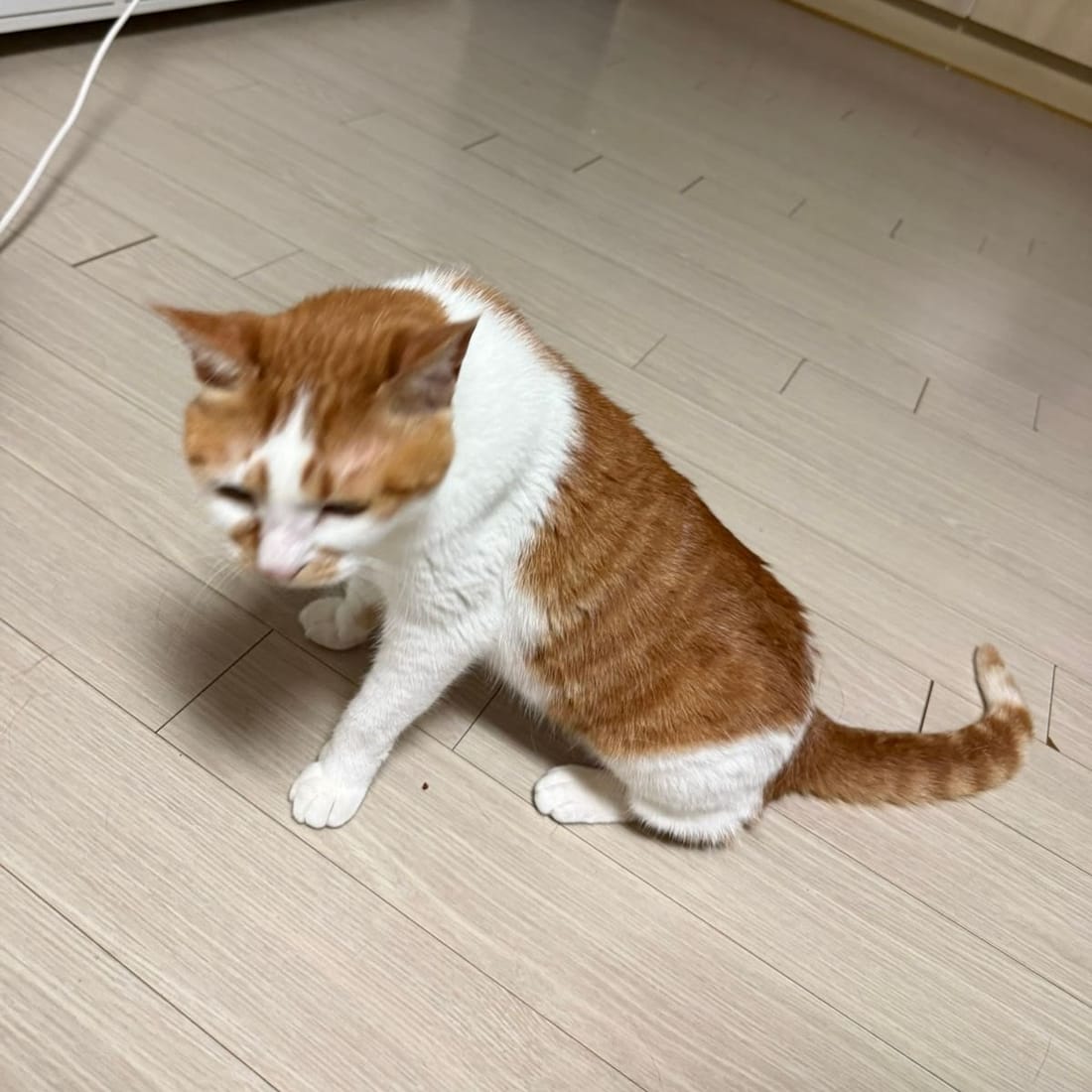
Our Yuja reacts to plastic sounds the way she reacts to a stranger at the door: full alert, then gone. She’s a formerly feral cat with a naturally jumpy temperament, and six years in a safe home hasn’t changed that particular wiring much. Some cats are just built with the volume turned up.
Is my cat’s reaction normal or a problem?
For most cats, a bag startle is completely normal and nothing to fix. The line to watch is change.
| Situation | What it usually means |
|---|---|
| Always been jumpy at plastic, since you got her | Personality; likely nothing to fix |
| Formerly feral or rescue background | Learned wariness plus natural sensitivity |
| Suddenly afraid of sounds she used to ignore | Worth a vet visit — pain or hearing changes can show up this way |
| Fear spreading to more and more everyday sounds | Rising stress or an environmental trigger worth looking at |
That third row is the one that matters. If a cat who never cared about bags suddenly panics at them — or at other ordinary noises — a sudden shift in noise sensitivity can be tied to pain or hearing changes, so it’s worth having a vet take a look. Lifelong sensitivity that’s been there from day one is a different story and usually just who your cat is.
What can I do to help my cat feel safer?
You have two jobs: turn the sound down, and slowly teach her the sound is boring. You probably won’t erase the fear entirely, but you can shrink it.
Cut the volume of daily crinkle.
- Store loud plastic bags out of reach — a drawer or cabinet instead of a hook where they rustle every time you walk by.
- Swap grab-and-go plastic for quieter alternatives: paper bags, fabric totes, or lidded bins for cat food and treats.
- Unpack groceries when your cat isn’t in the room, or give her a clear exit so she never feels cornered by the noise.
Give her a reliable escape spot. A scared cat’s first instinct is distance. When Yuja first came home, she spent two full weeks behind the washing machine and only came out to eat once we tucked her bowls back there. That hiding-first pattern is normal — we wrote about it in how long a rescue cat hides in a new home. The point isn’t to block the hiding spot; it’s to make sure she always has one so the fear doesn’t spiral.
Slowly build a better association (optional, and go slow). If you want to actually lower the reaction, pair a quiet version of the sound with something good:
- Wait until your cat is calm and a comfortable distance away — across the room, not next to you.
- Crinkle a bag softly, just once, for a second.
- Immediately toss a treat or start a meal.
- Stop before she reacts. If she flinches or leaves, you moved too fast; go quieter and farther next time.
- Repeat over days and weeks, only getting louder or closer when she stays relaxed.
The goal is “bag sound means snack,” built up in tiny steps. Never chase her with a bag or shake one to “prove it’s fine” — that teaches the opposite lesson and can undo weeks of progress.
How long does it take, and will she ever fully relax?
Honestly? It depends on the cat, and some never fully get there.
Mochi, our tuxedo, barely reacts to plastic at all. She’s the confident one — she meets us at the door and rolls over for belly rubs. Yuja is the opposite. After six years she still bolts at a sharp crinkle, and I’ve made peace with the fact that she probably always will. Progress with a sensitive cat is measured in “she came back out in ten minutes instead of hiding for three days,” not in a cure.
If your two cats react completely differently to the same bag, that’s ordinary too — we broke down that split in two cats with opposite personalities. A bold cat and a jumpy cat under the same roof is one of the most normal things about living with cats.
So set the bar where it belongs. You’re not trying to make a fearful cat fearless. You’re trying to keep the everyday crinkle from being a daily crisis — quieter storage, an easy escape route, and patience. Do that much, and even a wired-up cat like Yuja can share a kitchen with a grocery bag without disappearing for the afternoon.
This article is general information from a cat owner, not veterinary advice. Talk to your vet about your cat's specific situation.