Should You Ever Pick Up a Cat That Hates It?
For most cats that hate being held, the honest answer is no — don’t pick them up unless you actually need to. Routine scooping “just because” costs trust you’ll spend weeks rebuilding. But there’s a short list of situations where lifting is the right call, and knowing the difference is what keeps the relationship intact.
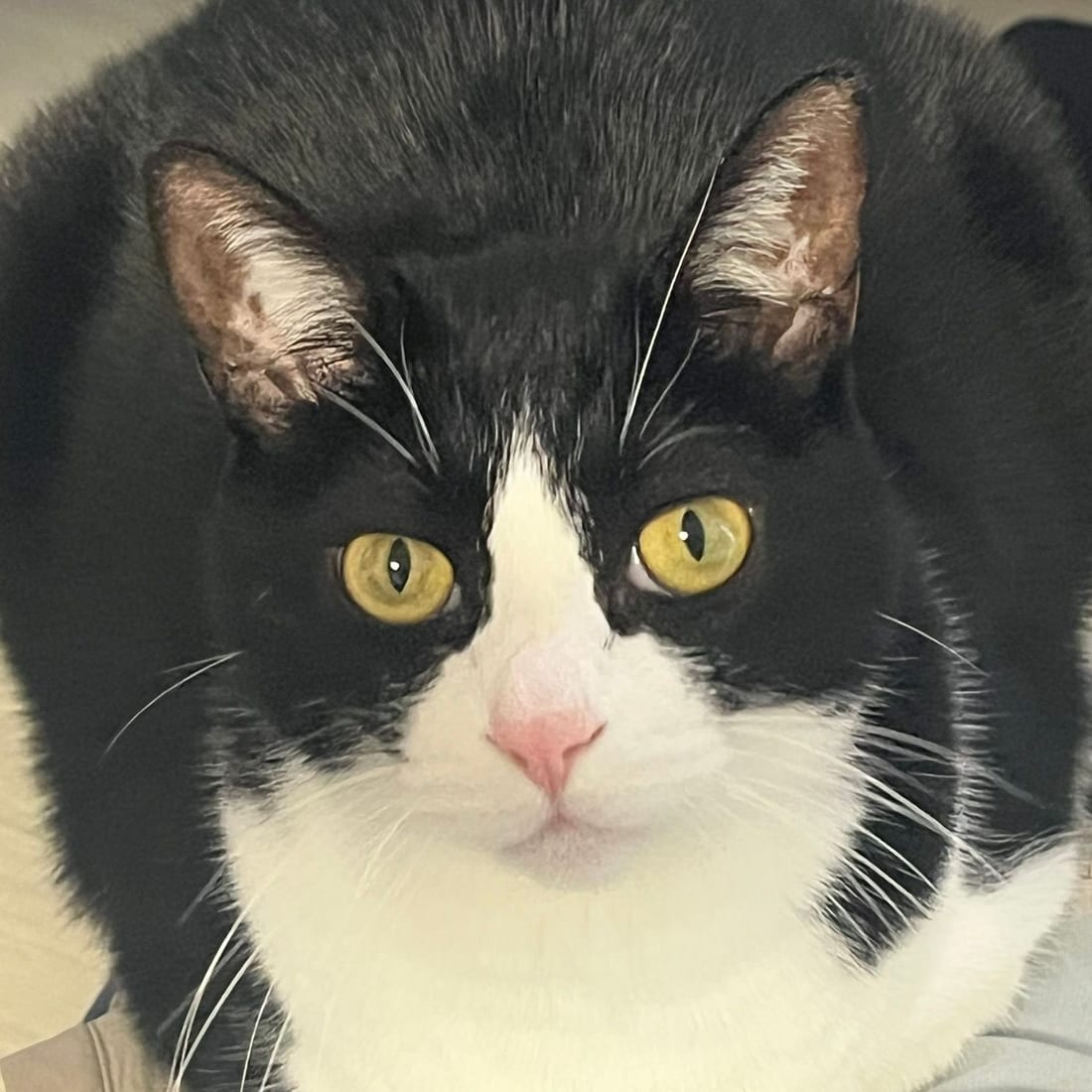
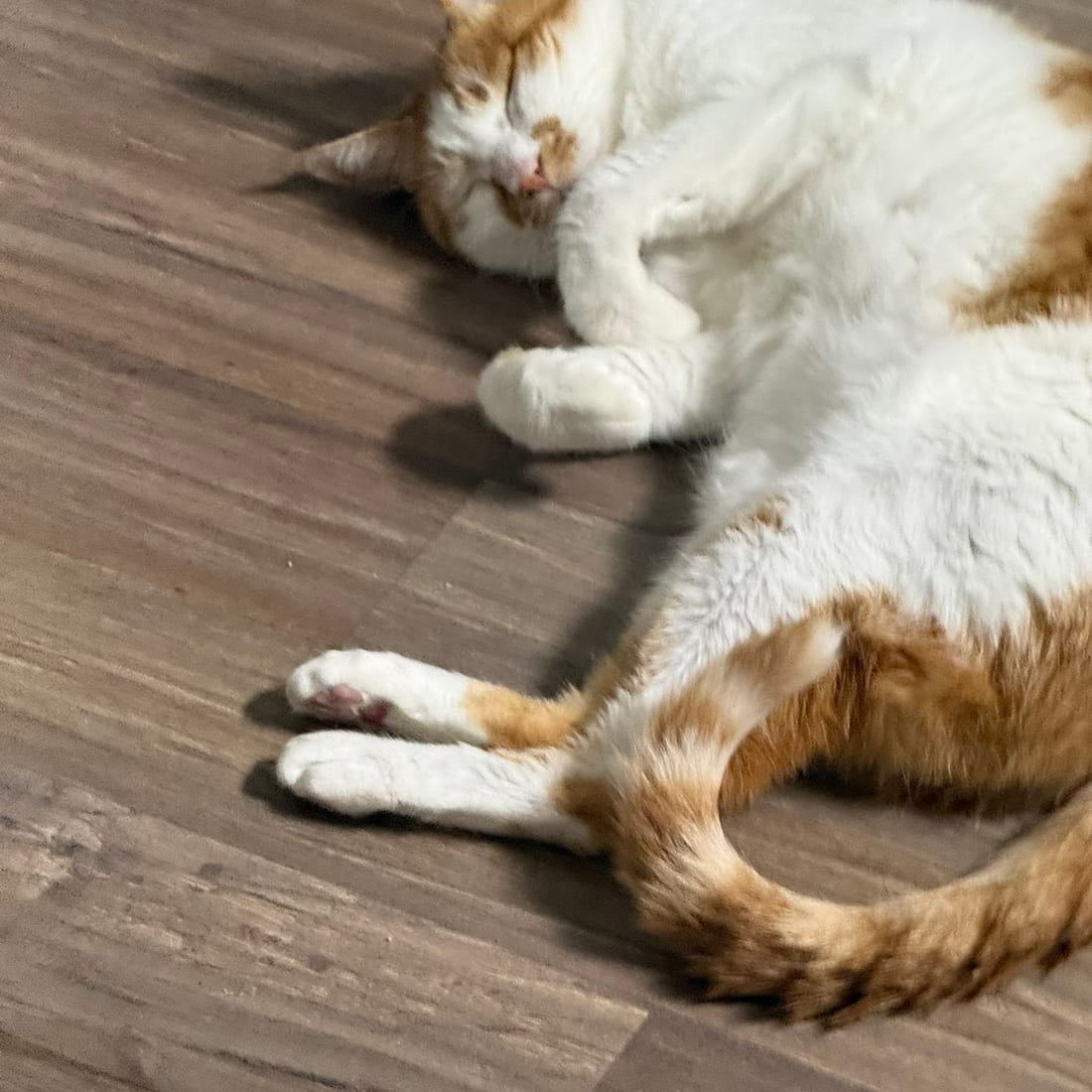
We live with this every day. Yuja, our orange-and-white eight-year-old, still bites when we handle her the wrong way after six years together. Mochi, her tuxedo housemate, will flop over for a belly rub if you so much as walk past her. Same house, same people, opposite cats. So we’ve had plenty of time to think about when a pickup is worth it, and to accept that with Yuja it’s barely an option at all.
When is it actually worth picking up a cat that hates it?
A good test: would skipping it put the cat at risk, or just inconvenience you? If it’s only your convenience, skip it.
| Situation | Pick up? | Why |
|---|---|---|
| Vet visit / getting into the carrier | Yes, carefully | Safety and health come first |
| Immediate danger (spill, broken glass, door about to close) | Yes | A few seconds of stress beats injury |
| Medication or wound you must reach | Yes, briefly | Necessary care |
| You want a cuddle | No | Your want, not her need |
| Moving her off the counter | No | Clap, lure, or redirect instead |
| Showing her to a guest | No | This is purely for the human |
Notice that almost everything in the “no” column has an alternative that doesn’t involve lifting. That’s the real skill — getting what you need without grabbing.
Does picking her up undo the trust I built?
One necessary pickup won’t erase months of progress. What damages trust is the pattern: random lifts, no warning, no reason the cat can connect to anything. That teaches her your hands are unpredictable, and unpredictable is exactly what a formerly scared cat can’t relax around.
With Yuja, it took four years before we could even touch her paws, and she still hisses if we touch twice in a row. A single clumsy grab usually won’t send a cat back to year one, but a week of grabbing her off furniture could. The closest we came to learning that the hard way was early on, when just brushing the fur on Yuja’s toes got us bitten and she stayed hidden for three days. When a cat’s trust slips backward for a stretch, it’s often not one event but a run of small intrusions she couldn’t predict.
The thing that keeps the setback short is giving her a reason she can read. Which brings us to how it’s usually done.
How do you pick up a cat that bites?
The goal is fast, supported, and over before she decides to fight. Here’s the order of operations usually recommended for a biter:
- Don’t ambush a hiding cat. If she’s wedged behind something, we don’t reach in and drag her out — that’s the surest way to get bitten and lose ground. We never pull a cat out of her hiding spot if there’s any other way.
- Announce yourself. Say her name and keep talking so she knows it’s you, not a surprise. It’s what we do when we have to handle a plastic bag near Yuja.
- Support both ends. One hand under the chest, one under the back legs, lifted together. A dangling cat panics.
- Face her away from you. Less eye contact, fewer teeth near your face.
- Put her down the instant she goes rigid. A hard tense-up is the last warning before a bite. Better to set her down and try again than force it.
In practice, with our scared one, lifting her by hand is barely possible at all. Many owners use a towel wrap. We switched to a top-loading carrier, and leaving its top and front open day to day helped Yuja get used to it, but it didn’t solve getting her in. If you’re constantly fighting the lift, it’s often the carrier that needs rethinking, not the cat.
Is something wrong if my cat never wants to be held?
Nothing. A cat that hates being picked up can still be deeply bonded to you — she just shows it standing on her own four feet.
Yuja is proof of both sides at once. She’ll climb into my lap, roll onto her back, and press her cheek into my hand with her eyes closed. Then if I pet her a beat too long, she bites and leaves. That’s not a broken cat; that’s a cat with a clear comfort limit. Being lifted blows past that limit in a single move, so she hates it. Totally consistent with a cat who wants contact — on her terms.
Mochi tolerates handling fine and gets her nails trimmed without drama. We didn’t train that difference into either of them. They came to us already wired this way, which is a big part of why one warmed up fast and the other took years.
What to do instead of lifting
Because the “want a cuddle” line is always no, here are ways to get closeness without the grab:
- Let her come to the lap. Sitting down and waiting works better than carrying her over. Yuja does climb into a lap on her own, which you might not expect from a biter.
- Lure, don’t carry. To move a cat off a surface, a toy or a tap on the floor beats hands every time.
- Herd before vet trips. Many owners guide the cat into a small room first, so the carrier is a short step instead of a chase around the house.
- Earn the pickup with timing. If you do have to lift, pick a relaxed moment, not mid-nap or mid-hiss.
The honest limits
Six years in, we can hardly pick Yuja up at all, and we’ve stopped treating that as a goal. Even for the vet, getting her into the carrier is the part we still haven’t solved. If your cat has always hated it and nothing has changed, that’s just her personality.
What does deserve a second look is a sudden shift: a cat who used to tolerate handling and now flinches, growls, or snaps when you lift her may be in pain somewhere, and a quick vet check saves you guessing. Short of that, respecting the “no” isn’t giving up. For a lot of cats, it’s the clearest way you can say you’re safe.
This article is general information from a cat owner, not veterinary advice. Talk to your vet about your cat's specific situation.