Can a Scratching Post Replace Nail Trims?
No, a scratching post won’t replace nail trims. It does something related but different: scratching strips off the old outer layer of the claw (the sheath), which keeps the tip fresh and sharp. Trimming actually shortens the claw so it doesn’t get too long, curl, or snag. Those are two different jobs, and a post only handles one of them.
If you’ve been hoping the post in your living room means you never have to touch your cat’s feet, I get it — I’ve been avoiding one of my cats’ feet for six years. But the scratching-post-as-substitute idea doesn’t hold up, and it’s worth knowing why before a claw grows into a paw pad.
What a scratching post actually does
When a cat scratches, they’re pulling those little husk-like layers off the claw. You’ll find them on the post or the carpet — curved, translucent shells that look like tiny cat toenails, because that’s exactly what they are. Underneath is a sharper, newer point.
So scratching keeps claws maintained and sharp. It also stretches the shoulders and back, marks territory with scent glands in the paws, and burns off some energy. All good things. None of it makes the claw shorter in the way clippers do.
Think of it like the difference between filing a fingernail’s surface and clipping the length. Related maintenance, not the same result.
Why trimming still matters
Indoor cats don’t wear their claws down the way outdoor cats do on rough surfaces and long walks. Without trims, claws can:
- Get too long and curl. In older or less active cats especially, the claw can curve around and grow into the paw pad. That’s painful and can get infected.
- Snag on everything. Long claws catch on carpet, blankets, and your skin. A snag that the cat panics and yanks free from can tear the claw.
- Make scratching more destructive. Sharper, longer tips do more damage to furniture per swipe.
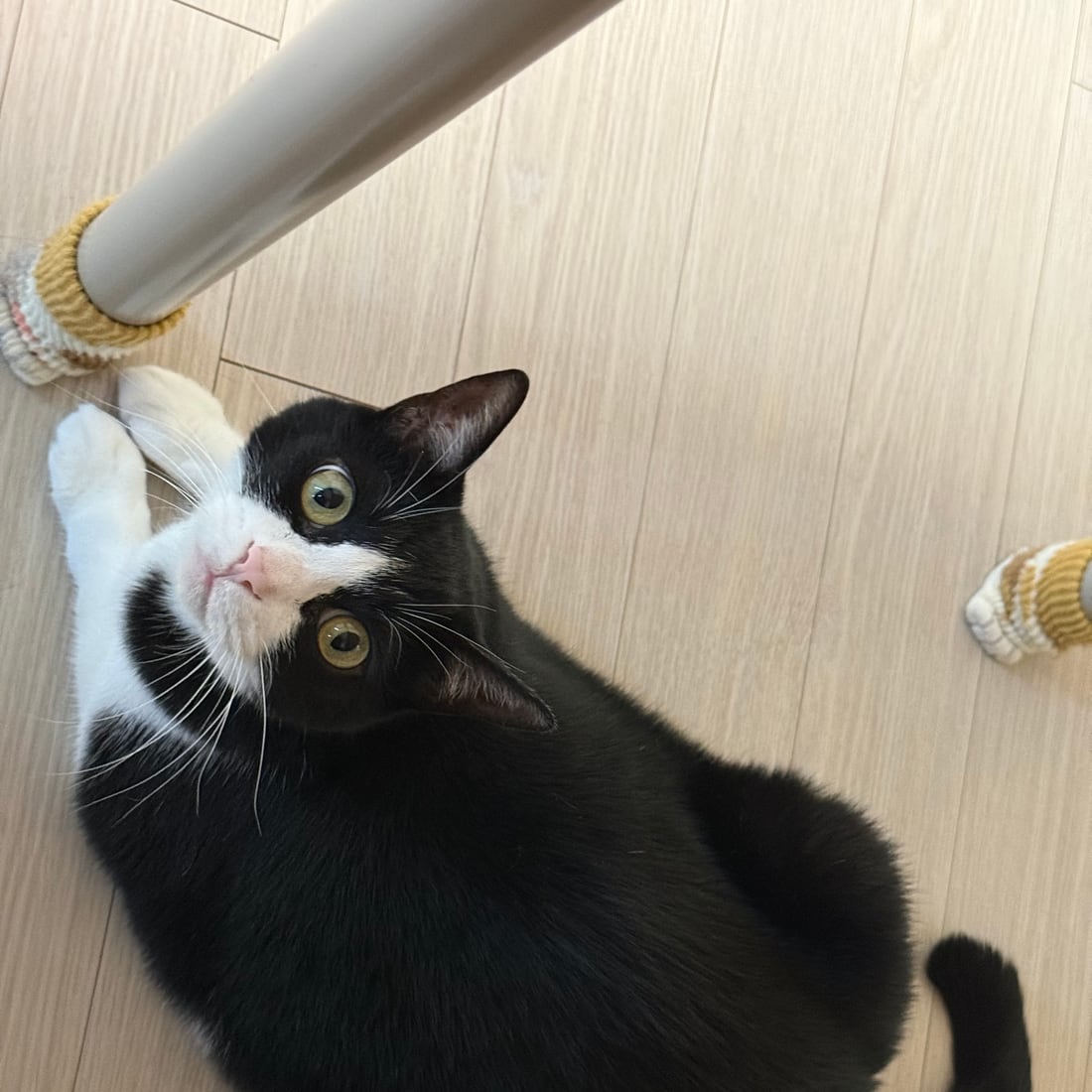
None of that is fixed by a post, no matter how much your cat uses it. Mochi, my tuxedo, is a champion scratcher and still needs her nails done. The post keeps them sharp; it does not keep them short.
When a post can reduce how often you trim
Here’s the honest middle ground. A cat who scratches a lot, is young and active, and moves around a full house will keep their claws in better shape than a sedentary senior. For those cats, a good post might stretch your trimming schedule out a bit — say, from every couple of weeks to every three or four.
But “less often” is not “never.” And it depends entirely on the individual cat. The only real test is looking at the actual claws. Press gently on the top of a paw so the claws extend, and check whether the tips are getting long, hooking, or approaching the pad. Your cat’s feet tell you the schedule, not a calendar.
What if your cat won’t let you trim (like mine)
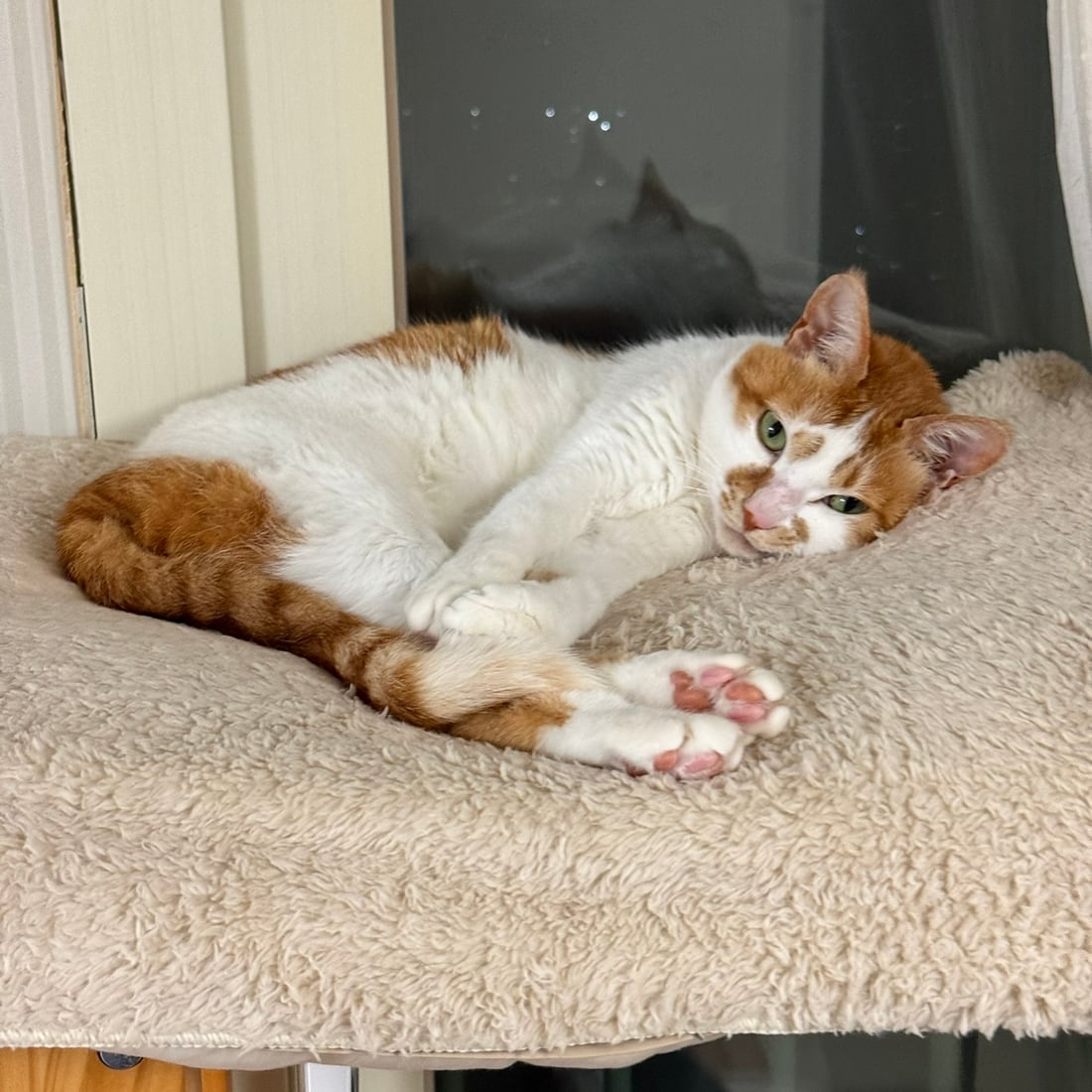
This is where I have to be straight with you, because I live it. Yuja, my orange-and-white, has never let me trim her nails properly in six years. She hisses, she bites, and she’s the type who used to disappear behind the washing machine for two weeks when she was stressed. It took me four years just to be able to touch her paw at all — and even now, if I touch it twice in a row, I get a hiss.
So I understand the temptation to declare the scratching post “good enough” and walk away. Here’s what I’ve actually done instead:
- Multiple scratching surfaces. Yuja won’t be handled, so I lean hard on posts to keep her claws worn and sharp rather than long and curling. It doesn’t replace trims, but it buys time and reduces snagging.
- Trim what I can, when I can. For a cat like this, forget doing all ten in one sitting. One or two claws while she’s sleepy, then leave her alone. Over a week you get most of them.
- Watch the danger claws. The dewclaws (the “thumb” higher up on the inner leg) don’t touch the ground and don’t get worn by scratching at all. Those are the ones most likely to overgrow into the pad, so they’re the ones to check most carefully.
If you have a truly untrimmable cat, a vet or groomer can do a quick trim in a few minutes — often faster and less traumatic than a home standoff. I’d rather pay for that than let a claw curl into a pad.
Quick comparison
| Scratching post | Nail trim | |
|---|---|---|
| Removes old outer sheath | Yes | No |
| Shortens the claw | No | Yes |
| Prevents claw curling into pad | No | Yes |
| Reaches dewclaws | No | Yes |
| Provides stretching / scent marking | Yes | No |
You want both. They cover different bases.
Picking a post that actually gets used
A post only helps if your cat uses it, so a few things matter:
- Tall or long enough for a full stretch. For a vertical post, that usually means the cat can reach up and extend the whole body. Too-short posts get ignored.
- Sturdy base. If it wobbles, most cats quit. This is the number one reason cheap posts fail.
- Material your cat likes. Sisal rope, cardboard, and carpet all work for different cats. Mochi loves cardboard scratchers; you can grab flat ones cheap at Target or Chewy and swap them when they’re shredded.
- Placement. Put it where the cat already wants to scratch — near where they sleep or by the furniture they’re targeting. A great post hidden in a back room does nothing.
When to loop in your vet
Most of this is routine grooming and doesn’t need a professional. But if a claw has already grown into the pad, if you see limping, licking one paw, or swelling, get it looked at rather than digging around yourself — an ingrown claw can be infected and painful. And if your normally tolerant cat suddenly won’t let you near a specific foot, that quick check is worth it, because a sore paw can be the first sign something’s wrong.
Bottom line: keep the post and keep the clippers. One keeps claws sharp and healthy; the other keeps them from becoming a problem. Even for a hisser like Yuja, the post isn’t a free pass — it’s just part of the plan.
This article is general information from a cat owner, not veterinary advice. Talk to your vet about your cat's specific situation.