Why Won't My Cat Drink From Her Water Bowl?
Most cats snub the water bowl for one of three fixable reasons: the water isn’t fresh enough, the bowl is in a spot she doesn’t like, or the bowl itself bothers her (smell, shape, or her whiskers hitting the sides). Cats are naturally low-thirst animals, so a little resistance is normal — but you can usually get her drinking more by changing the setup, not by forcing her.
If your cat suddenly stops drinking, or starts drinking far more than usual, skip the troubleshooting and call your vet first. Big, abrupt changes in thirst can point to something medical.
Why cats ignore water bowls in the first place
Cats evolved from desert animals and get a lot of moisture from prey. That’s why so many house cats seem to barely drink — their thirst drive is weaker than a dog’s, and they’d rather pull water from food than a dish. A cat on mostly dry kibble has to make up that gap at the bowl, and if the bowl isn’t appealing, she just won’t bother.
There’s also the whisker thing. A deep, narrow bowl brushes a cat’s whiskers against the sides every time she dips her head. Some cats hate that enough to drink less or paw at the water instead. Others couldn’t care less. You find out by watching.
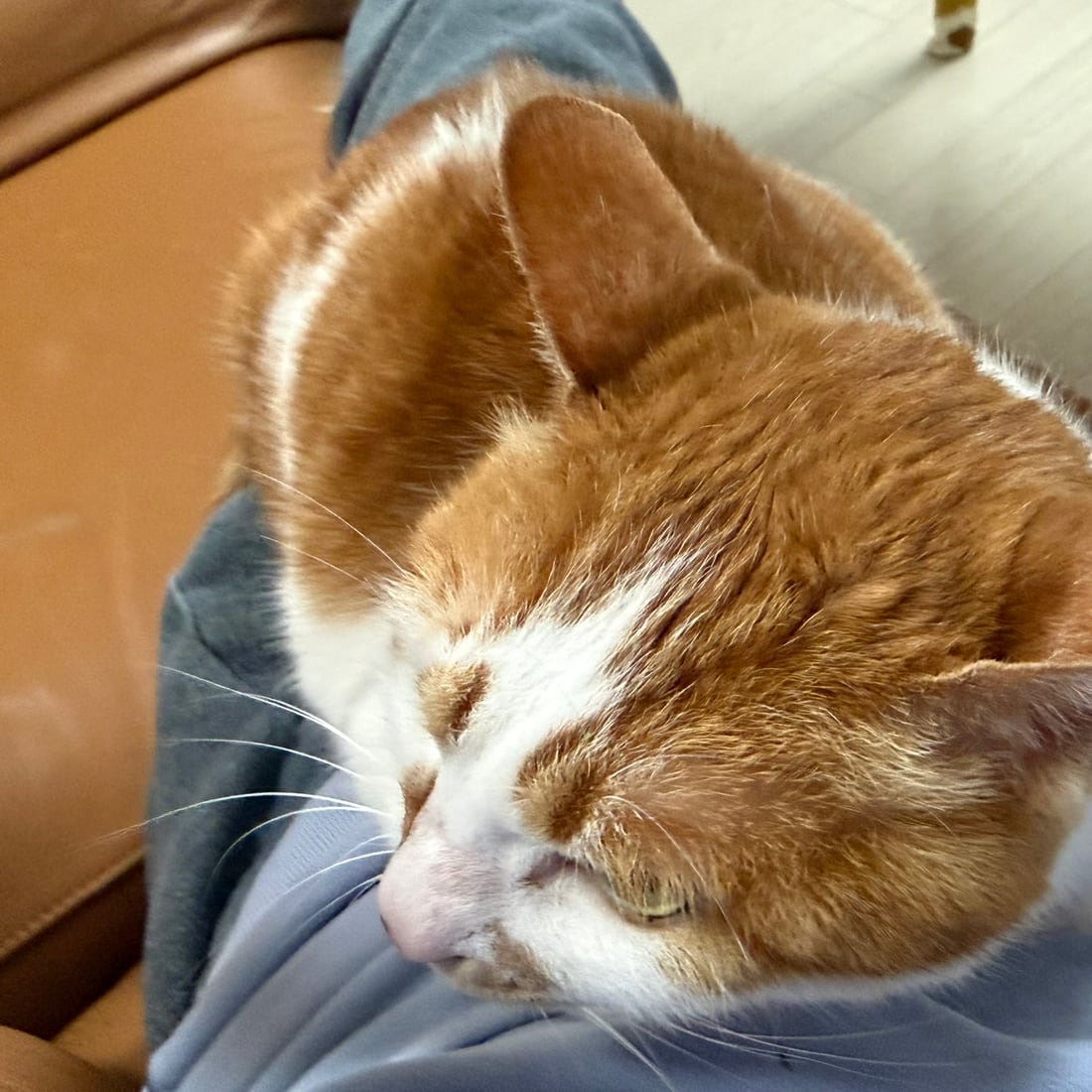
And then there’s freshness. Cats have a sharper sense of smell than we do, and water sitting out for hours picks up dust, food particles, and a stale taste. Our picky one, Yuja, walks up to a bowl, sniffs, and leaves if something’s off — the same instinct that makes her refuse a food she happily ate last week.
How do I get my cat to drink more water?
Change one thing at a time so you know what worked. Here’s what’s worth trying, roughly in order of how often it helps:
| Change | Why it helps | How long to test |
|---|---|---|
| Fresh water twice a day | Removes stale taste and film | 3–4 days |
| Move bowl away from food | Some cats avoid drinking near food | 3–4 days |
| Wider, shallow bowl | No whisker contact | 1 week |
| Add a second bowl elsewhere | Cats like options and quiet spots | 1 week |
| Ceramic or glass instead of plastic | Plastic can hold odors and stain | 1 week |
| Add a water fountain | Movement attracts some cats | 1–2 weeks |
| Mix water into wet food | Sneaks hydration in without the bowl | Ongoing |
The last one is our reliable trick. If a cat won’t drink from a dish, you can still get water into her through food — a spoonful of warm water stirred into wet food bumps her total intake without a fight.
Does bowl placement really matter that much?
More than most people expect. Cats don’t like drinking where they feel exposed or cornered, and many instinctively keep water away from food and litter. A bowl tucked in a busy kitchen walkway can get ignored simply because there’s too much foot traffic.
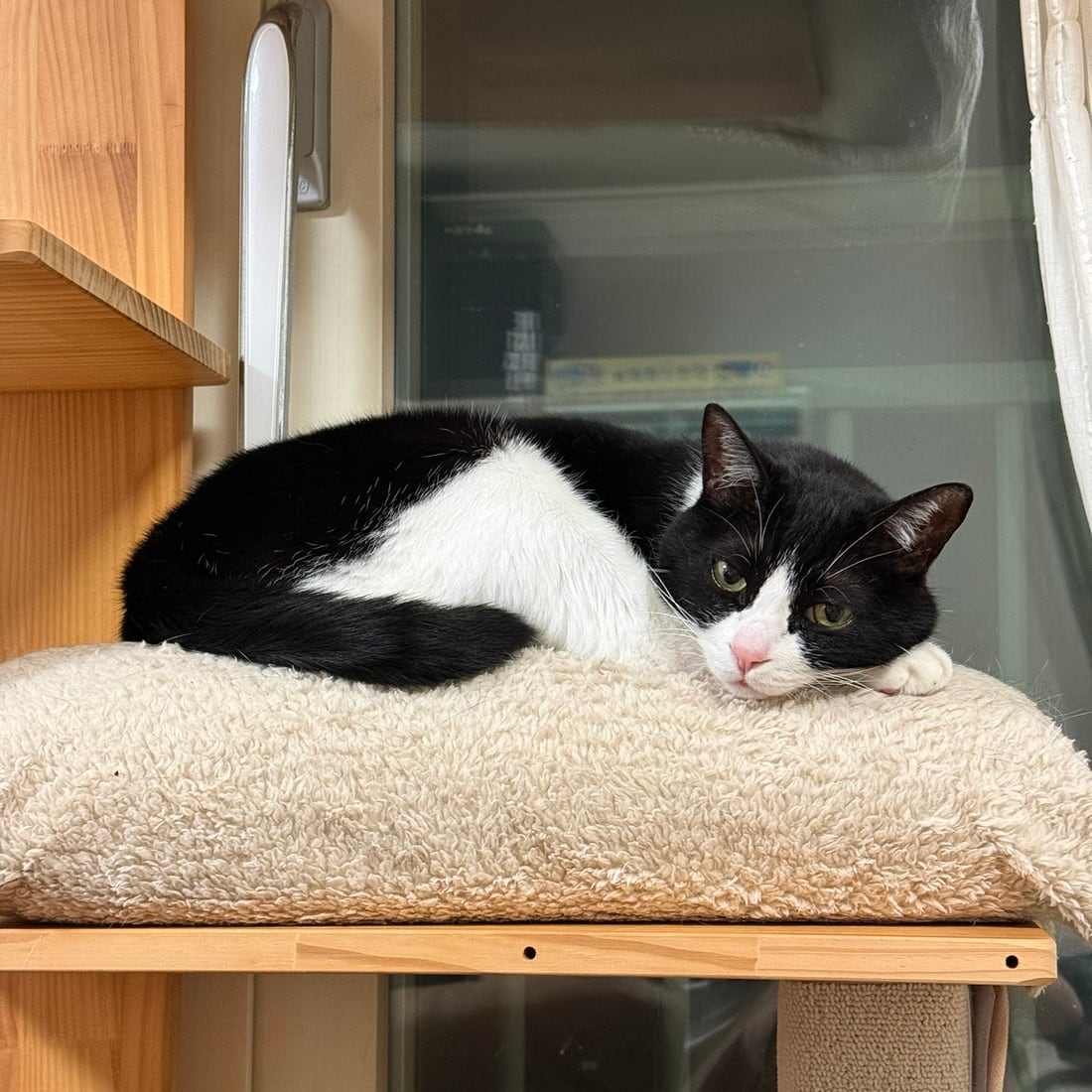
We keep water in more than one spot for exactly this reason. Mochi, our confident tuxedo, will drink anywhere — she trots to the door to greet us and drinks on the way past like it’s nothing. Yuja is the opposite. She wants a quiet, low-traffic corner where nobody’s going to walk up behind her, which fits everything about her cautious, former-street-cat personality.
A few placement rules that hold up:
- Keep water at least a few feet from the food bowl.
- Never put it beside the litter box.
- Pick a spot with sightlines — a nervous cat wants to see the room while she drinks.
- Add a second bowl on a different level or in a different room.
Two bowls costs nothing and solves the “she just doesn’t pass by it enough” problem instantly.
The bowl itself: material, depth, and cleanliness
Plastic is the usual culprit. It scratches, and those scratches trap bacteria and odors your cat notices even after a rinse. It can also cause chin irritation in some cats. Ceramic, stainless steel, and glass are easier to keep truly clean and don’t hold smells. You can find all three cheap at Target, Petco, or Chewy.
Depth matters too. A wide, shallow bowl — think a saucer more than a mug — keeps whiskers clear of the sides. If your cat paws at the water, tips the bowl, or drinks from the very edge, that’s often a whisker complaint.
Cleanliness is the part people skip. A water bowl builds an invisible slimy film called biofilm within a day or two, and cats taste it long before we’d notice. Wash the bowl with soap and refill with fresh water daily, not just top it off. We already scrub food dishes every meal for our sensitive one, so we treat the water bowl the same way — it made a visible difference in how often she stops to drink.
What about fountains — worth it?
Sometimes. Fountains keep water moving and aerated, which some cats find more appealing than a still bowl, and the filter helps with freshness. If your cat likes to drink from a running faucet, a fountain is a good bet.
But they’re not magic. Plenty of cats ignore fountains, and the motor noise can spook a jumpy cat — the kind who already bolts at plastic bag sounds may want nothing to do with a humming machine near her water. Fountains also need weekly cleaning, or they build up the same film a bowl does. If you buy one, get one you can fully take apart, and give your cat two weeks to decide before you judge it.
When low drinking is a health flag
Most water-bowl pickiness is behavioral and harmless. But a few patterns deserve a call to your vet rather than more bowl experiments:
- She refuses all water for a full day.
- Her drinking suddenly spikes or drops with no setup change.
- She seems lethargic, or her gums feel tacky and dry.
- You notice weight loss or changes at the litter box alongside it.
Cats hide illness well, and shifts in thirst are one of the earliest signals something’s off. If the everyday fixes here don’t move the needle in a week or two — or anything feels sudden — let a vet rule out the medical side before you keep rearranging bowls.
For most cats, though, it’s the boring stuff: fresh water, a clean wide dish, and a quiet spot away from the food. Fix those three and you’ll usually see her at the bowl more than you did before.
This article is general information from a cat owner, not veterinary advice. Talk to your vet about your cat's specific situation.