How Many Food and Water Bowls Do Two Cats Need?
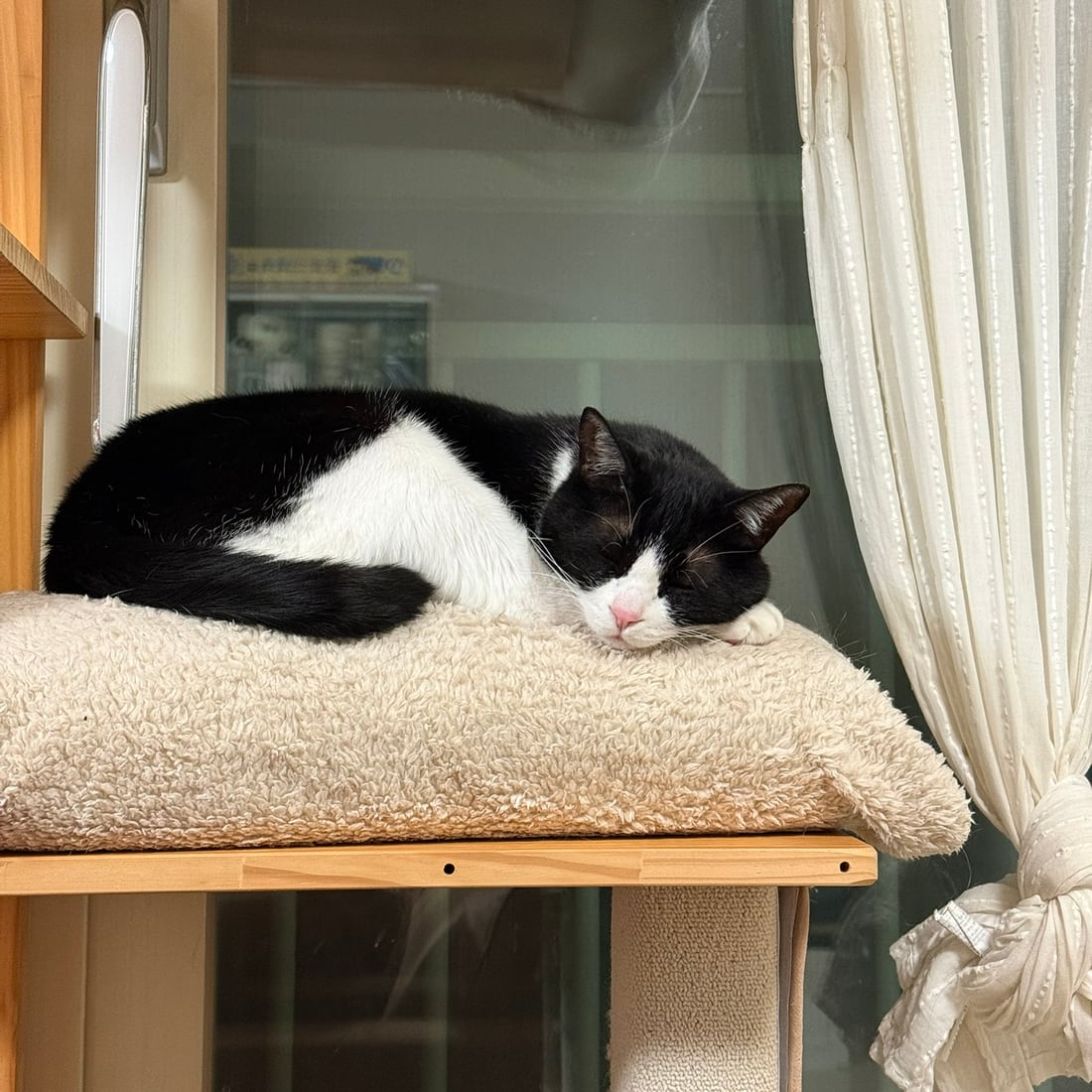
Two cats need at least two food bowls and two to three water bowls, placed in separate spots rather than lined up side by side. The number matters less than the spacing: one cat eating over another cat’s shoulder is where most feeding fights start. Give each cat its own bowl in its own zone.
That’s the short answer. Here’s how it actually plays out with two very different cats.
Why not just one shared bowl?
Because someone always loses. Even cats that get along fine will turn a single bowl into a slow-motion negotiation. The bolder cat parks at the bowl, the other one hangs back, and by the time cat number two gets a turn, the food is gone or picked over.
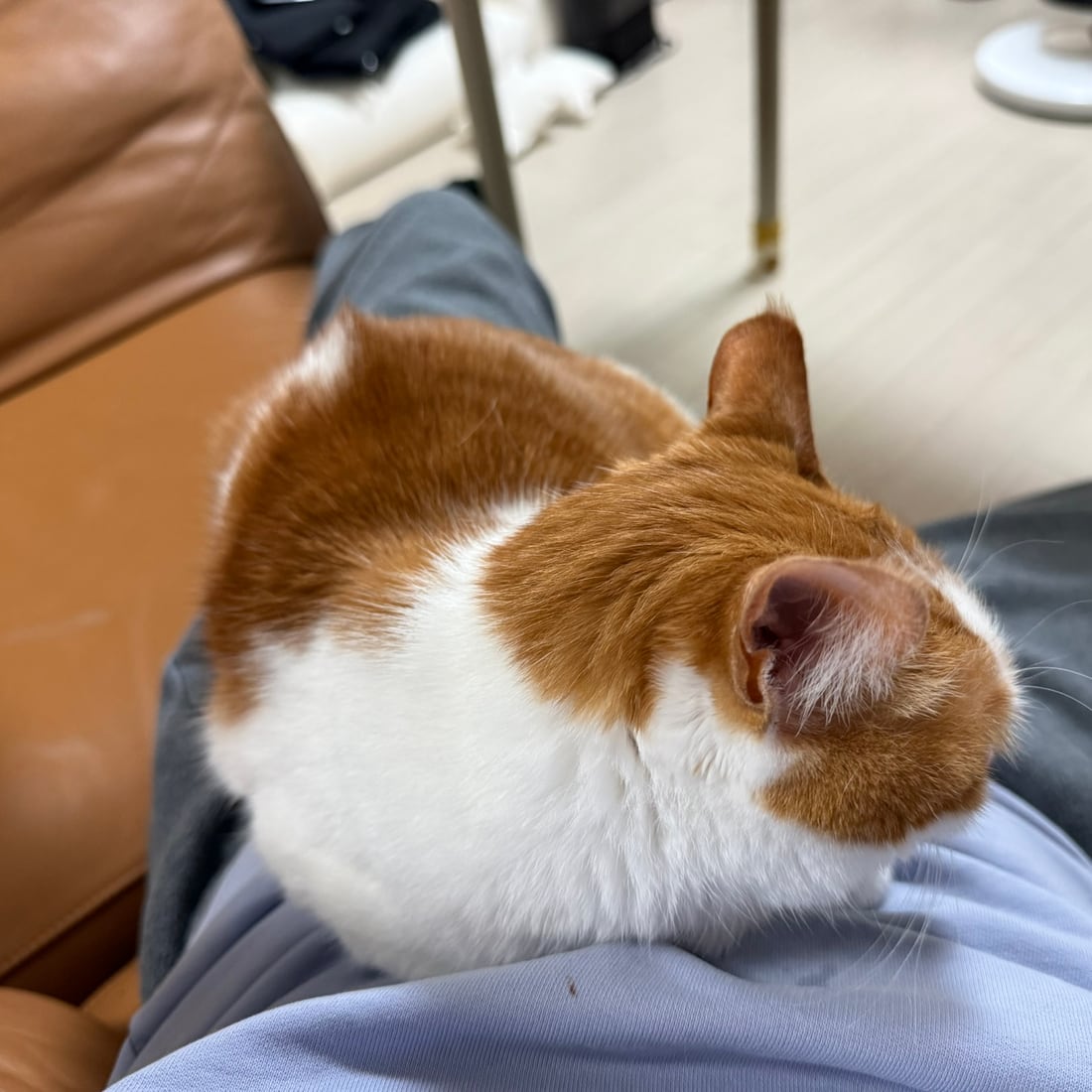
We learned this fast. Mochi eats like she’s on a schedule — quick, confident, done. Yuja nibbles a few bites, wanders off, comes back twenty minutes later. If they shared one bowl, Yuja would simply lose those return trips, because Mochi treats an unattended bowl as an open invitation. Two bowls in two spots solved a problem we didn’t even realize we had.
If your cats have very different eating styles, we wrote a whole piece on feeding two cats when one is picky and one eats everything. Bowl count is only half the fix — placement is the other half.
How many of each bowl, exactly?
Here’s the setup we’d recommend for a two-cat home, plus what we actually run.
| Item | Minimum for 2 cats | Better setup | Why |
|---|---|---|---|
| Food bowls | 2 | 2, in separate rooms or corners | Each cat eats without being watched or crowded |
| Water bowls | 2 | 2–3, spread across the home | More stations = more drinking, less territory-crossing |
| Combined food-and-water station | Avoid | — | Cats often drink less when water sits next to food |
The core rule: one food bowl per cat, in separate locations. Not two bowls touching. Separate.
Where should the bowls actually go?
Distance is the whole game. Two food bowls six inches apart is basically one bowl to a cat who feels crowded. Put real space between them — different corners, different rooms, or at minimum a piece of furniture in between so neither cat can eyeball the other while eating.
A few placement rules we stick to:
- Food stations out of each other’s sightlines. A shy cat won’t relax if the confident cat is staring across the room mid-meal.
- No dead ends. Don’t tuck a bowl where a cat could get cornered. If Yuja feels trapped, she just leaves and skips the meal.
- Water away from food. At least one water bowl in a totally different spot. Cats descend from desert animals and often don’t like water near their food.
- Away from the litter box. Nobody eats next to the toilet, cats included.
When Yuja first came home, she spent two weeks behind the washing machine and wouldn’t come out for anything. We ended up sliding her food and water bowls back there so she could eat where she felt safe. That’s an extreme version of the same principle: the bowl goes where the cat is comfortable, not where it looks tidy to you.
Does the food-stealing cat change the math?
Yes. If one cat consistently finishes fast and then goes hunting for the other’s leftovers, adding more bowls in the same room won’t help — the fast eater just makes the rounds. What helps is real separation: feed them in different rooms, or feed on a schedule you supervise.
Mochi would happily audit every bowl in the house if we let her. The fix wasn’t more bowls, it was distance and timing. We break it down further in how to stop one cat from stealing the picky cat’s food, but the bowl-count version is simple: extra bowls only work if a determined cat can’t easily reach all of them.
What kind of bowls, and how many do you clean?
Material matters less than most people think, but shallow and wide beats deep and narrow — cats hate their whiskers brushing the sides. Stainless steel and ceramic are easy to keep clean. We skip most plastic because it scratches and holds odors.
Cleaning is where two cats gets real. With Yuja, we wash the food bowl and dry it every single meal, because leftover residue on a wet bowl is one of the things that made her refuse food and, more than once, eat old food and throw it up. If you’re wondering whether that’s overkill, we tested our own habit against the logic in does washing the food bowl every meal actually matter — short version, for a picky cat it genuinely does.
Practical bowl count when you factor in washing:
| Setup | Bowls to buy | Reality |
|---|---|---|
| Bare minimum | 2 food + 2 water | Wash and refill on the spot every meal |
| Comfortable | 4 food + 3 water | Rotate a clean spare in while the used one soaks |
Having a couple of spare food bowls means you’re never staring at a wet, half-washed bowl at feeding time. It’s a small thing that keeps the routine smooth.
A quick note on picky and sudden changes
Bowl count won’t fix pickiness — that’s a food and routine problem, not a hardware one. But if a cat that normally eats fine suddenly stops eating or drinking, refuses her bowls entirely, or starts losing weight, that’s worth a vet visit rather than a bowl reshuffle. Appetite and water intake are two of the clearest early signals something’s off.
For everyday two-cat life, though, the answer stays simple. Two food bowls, two or three water bowls, spaced out so nobody eats under surveillance. Start there, watch who crowds whom, and add a station wherever the tension shows up. Your quiet eater will thank you by actually finishing dinner.
This article is general information from a cat owner, not veterinary advice. Talk to your vet about your cat's specific situation.