Why Won't My Cat Eat the Same Food Twice? Living With an Extremely Picky Cat
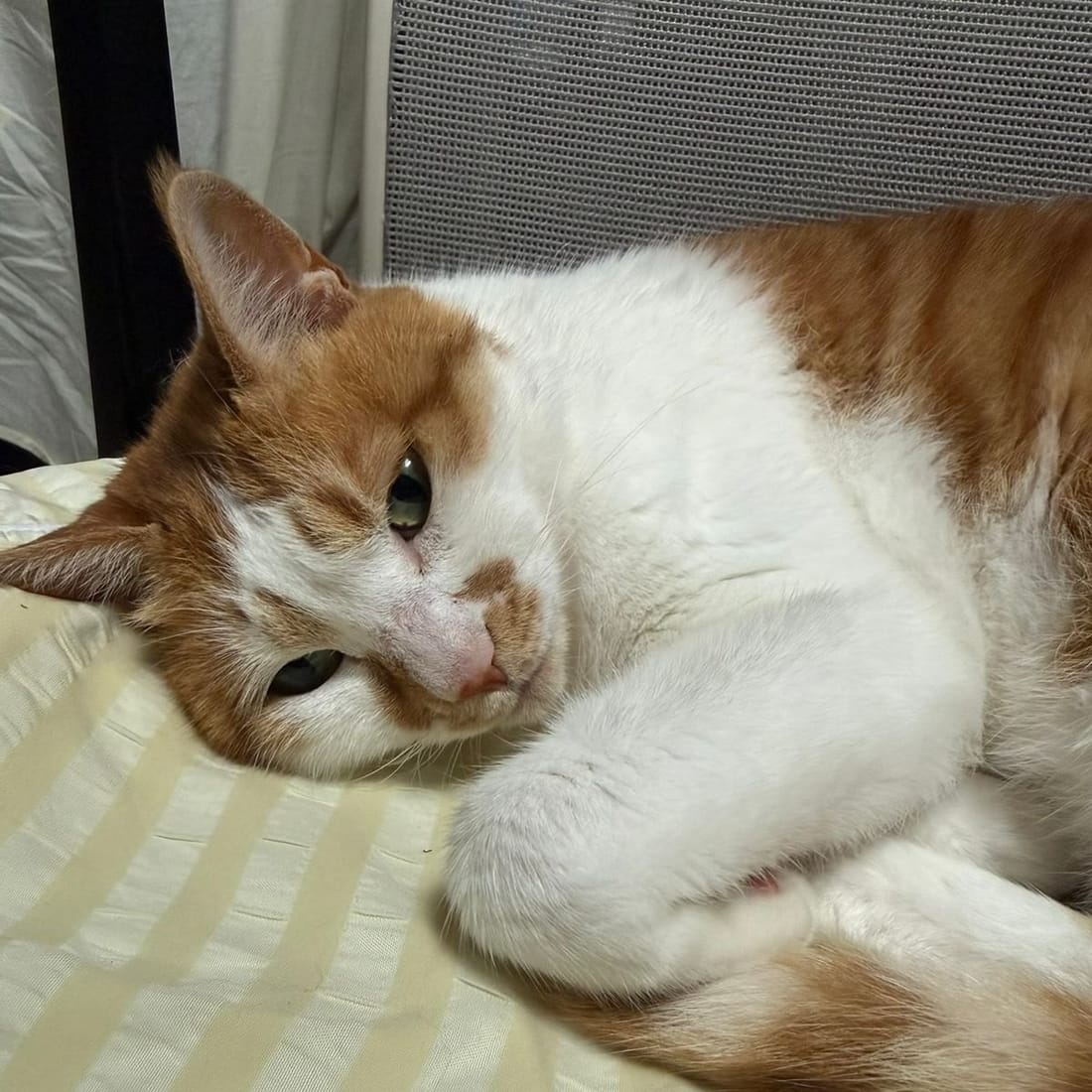
If your cat devours a food one week and acts personally offended by it the next, you’re not imagining it — and you’re not doing anything wrong. I’ve fed my picky rescue cat, Yuja, for almost six years, and I’ve thrown out more full bags of food than I want to admit. My other cat, Mochi, will eat basically anything you put down. Same house, same bowls, completely different animals. Here’s what’s actually going on, and what has genuinely helped.
First, rule out the boring-but-important stuff
Before you blame your cat’s personality, a sudden change in appetite deserves a quick sanity check. Dental pain, nausea, and a handful of health issues can make a cat refuse food, and those aren’t things a blog can diagnose. If your cat stops eating for more than a day or two, is losing weight, or is vomiting frequently, that’s a vet visit — full stop. Everything below assumes your vet has already said your cat is healthy and just… particular.
The “she loved it, then hated it” trap
Here’s the pattern that broke my brain for years. Yuja would happily eat a new food, so I’d buy the big bag to save money — and she’d refuse to touch it. Every single time. I threw out three or four nearly-full bags before the pattern finally clicked.
It turns out a lot of cats aren’t rejecting the flavor. They’re reacting to freshness, texture, and the tiny differences between a small sample bag and a bulk bag — a different production batch, staler kibble, a bag that’s been open too long. The lesson I paid for in wasted food:
Buy small, and don’t stockpile a food until your cat has finished the small bag twice.
Freshness matters more than you’d think
Yuja won’t eat food that’s been sitting out for more than about twelve hours. If I leave it, she ignores it, gets hungry later, eats the stale bowl anyway, and then throws it up. What fixed the vomiting wasn’t medicine — it was routine:
- Fresh food every time, not topped up on top of old food
- The bowl washed and fully dried between meals
- Nothing left out to go stale
Cats have a far sharper sense of smell than we do. A bowl that smells “fine” to you can smell rancid to a cat.
Small, frequent portions beat one big bowl
Some cats graze in tiny amounts across the day rather than eating a full serving at once. Fighting that just leaves you with a full, ignored bowl and a frustrated cat. I started putting down smaller portions more often, and both the waste and the drama dropped noticeably.
The smell factor: temperature and quiet
Cats decide a lot with their nose, so a few small changes tend to help a picky eater:
| Try this | Why it helps |
|---|---|
| Serve wet food at room temperature | Fridge-cold food has almost no aroma |
| Warm it slightly (a few seconds) | Warmth releases the smell that makes food appealing |
| Feed away from the litter box | Cats won’t eat next to their bathroom |
| Keep the feeding spot quiet | Loud appliances make nervous cats abandon the bowl |
Yuja bolts at the sound of a plastic bag, so I’ve learned that where and how quietly I serve food matters almost as much as what’s in the bowl.
When “picky” is actually something else
Two honest cautions. A cat who suddenly won’t eat — as opposed to one who’s always been choosy — can be sick, and that’s urgent. And a cat who eats but vomits often may have a real medical reason, not just a fussy palate. I manage Yuja’s quirks at home, but I don’t guess about her health. That’s what her vet is for.
Frequently asked questions
Is it bad to keep switching my cat’s food? Frequent abrupt switches can upset a cat’s stomach, so when you do change foods, mix the new in with the old over several days. But with a picky cat, some trial and error is unavoidable — just change gradually.
Should I leave food out all day (free feeding)? It depends on the cat. For Yuja, food left out too long is a guaranteed refusal-then-vomit. For a grazer who eats small amounts cleanly, free feeding can work. Watch your specific cat.
My cat only eats treats, not meals. What do I do? Cut back on treats first — a cat holding out for the good stuff won’t eat dinner. If she still won’t eat real food for more than a day, call your vet.
The honest takeaway
Some cats are just sensitive, and no trick “cures” it. What worked for me wasn’t a magic food — it was smaller bags, fresher bowls, quieter mealtimes, and letting go of the idea that Yuja would ever eat like a normal cat. She won’t. Mochi will happily eat her leftovers. And once I stopped fighting it, mealtimes got a lot more peaceful for all three of us.
This article is general information from a cat owner, not veterinary advice. Talk to your vet about your cat's specific situation.