Does Washing the Cat Food Bowl Every Meal Actually Matter?
For wet food, yes—wash it every meal. For dry food, most cats will be fine with a wash once a day, but a small number of picky or sensitive cats genuinely eat better from a clean, dry bowl every time. We landed on washing every meal for one of ours, and it fixed a vomiting problem I’d wrongly blamed on stress for months.
So the honest version is: it matters more than a lot of people think, but not for every cat and not for the reason you’d guess.
What actually builds up in a food bowl
Two things collect fast. First, oils from the food—wet food obviously, but dry kibble has a fat coating too, and that residue turns rancid faster than you’d expect once it sits at room temperature. Second, saliva and food bits that dry into a film you can’t always see but can feel if you run a finger across the bottom.
That film is where bacteria multiply. A bowl that “looks clean” after your cat eats dry food isn’t. It has a thin oily layer plus whatever your cat left behind with their mouth. Add another meal on top of that and you’re stacking old residue under fresh food.
Plastic bowls make this worse because they scratch, and those tiny grooves hold onto oil and bacteria no matter how you rinse. If you’re using plastic and only rinsing, that’s the setup most likely to cause problems.
Wet food vs. dry food: different rules
These really aren’t the same situation.
| Wet food | Dry food | |
|---|---|---|
| How fast it spoils | Fast—within a couple hours at room temp | Slow, but the oil coating still goes stale |
| Wash frequency | Every single meal | Daily is the floor; per-meal for sensitive cats |
| Main risk | Bacterial growth, spoiled meat smell | Rancid oil film, dust, stale taste |
| Refill on top of old food? | Never | Avoid it, but less urgent |
With wet food there’s no debate. Meat and gravy left in a bowl for a few hours in a warm kitchen is a bacterial party, and cats are already inclined to walk away from food that’s gone off. Wash it, dry it, refill.
Dry food is where the “every meal” question gets real, and the answer comes down to your specific cat.
The reason we wash every meal for one cat
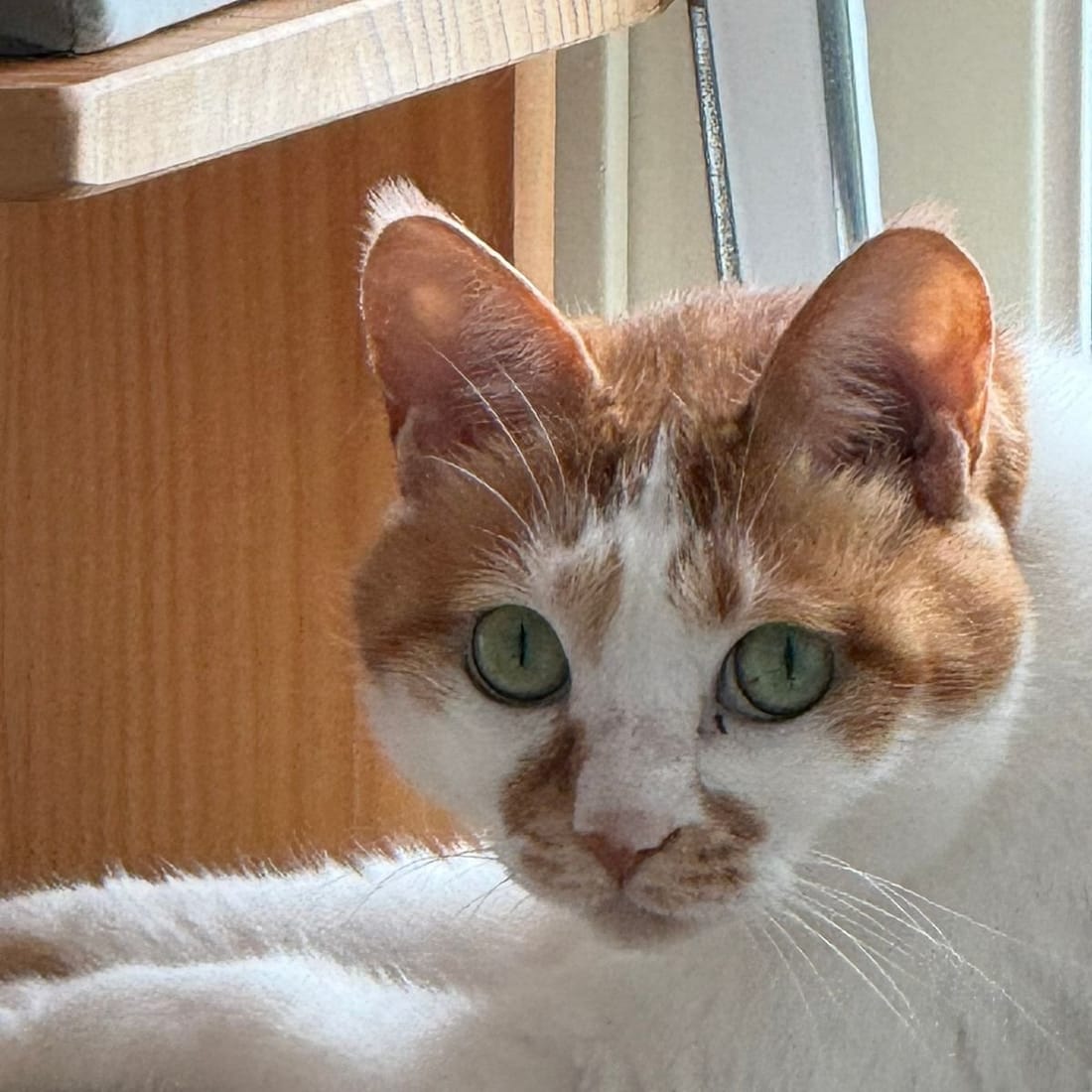
Yuja, our older orange-and-white girl, ate dry food and threw up regularly. For a long time I assumed it was stress—she’s an extremely anxious cat, spent her first two weeks here hiding behind the washing machine, and reacts to plastic bag noises like they’re alarms. Stress seemed like the obvious explanation.
It wasn’t, or at least not the whole thing.
She doesn’t eat all her food at once. She grazes, comes back, grazes again over hours. What I figured out is that if food sits in her bowl past about 12 hours, she’ll refuse it, then eat it later, then vomit. So I started doing two things every time I fed her: dumping the old food and giving fresh, and washing the bowl and drying it completely so there was no moisture or oil film left.
The vomiting stopped. Not reduced—stopped. For her, the stale residue and old kibble were the trigger, not nerves. I’d been treating a hygiene problem like a personality problem for months.
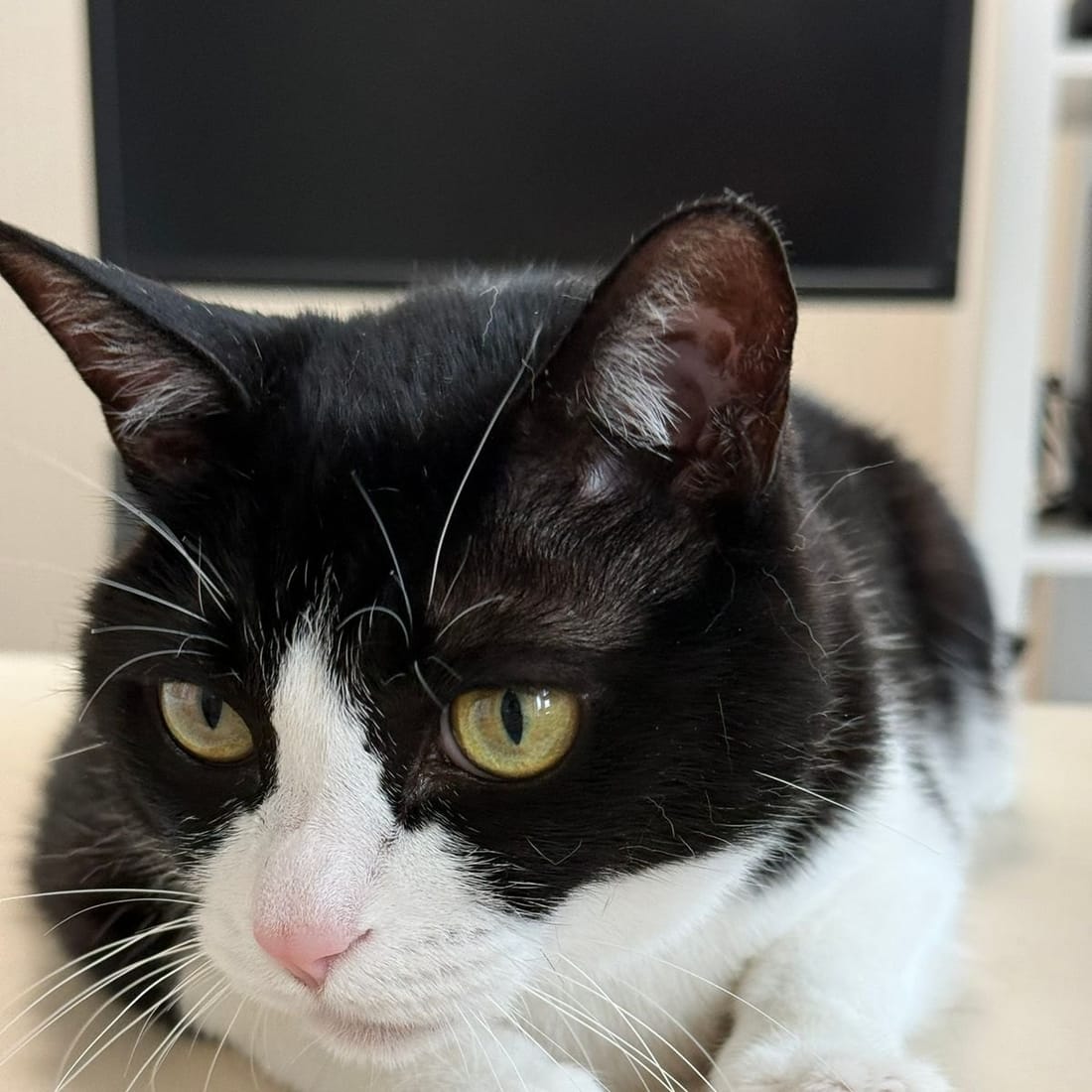
Our other cat, Mochi, the tuxedo, doesn’t care at all. She eats fast, eats everything, and would happily eat out of the same bowl for a week if I let her. So even in one household with the same food, one cat needs per-meal washing and the other genuinely doesn’t. That’s the whole point—it depends on the cat.
How to wash it so it’s actually clean
Rinsing under the tap isn’t washing. Oil doesn’t come off with water alone, which is the exact problem you’re trying to avoid.
- Use a little dish soap and warm water. A quick scrub with a sponge gets the oil film off. Rinse thoroughly so no soap taste lingers—cats notice.
- Dry it completely before refilling. This mattered a lot for Yuja. A wet bowl left standing grows bacteria and, from what I saw, the leftover water changes how the food sits. I wipe it dry with a clean towel every time.
- Keep a bowl in rotation. Having two or three bowls means you’re never stuck with a wet one at feeding time. Cheap and it removes the “I’ll just rinse it” temptation.
- Skip plastic. Switch to stainless steel or ceramic. They don’t scratch the way plastic does, so there’s nowhere for old oil to hide, and they’re easier to actually get clean. You can grab both at Petco, PetSmart, Target, or Chewy for a few dollars.
If you run bowls through the dishwasher, that’s fine for a deep clean, but I still hand-wash between meals because I want them dry and back down fast.
Signs your cat is one of the sensitive ones
You don’t need to overhaul your routine if your cat is happy. But watch for a few patterns that suggest the bowl is part of the problem:
- Eating a little, walking away, then throwing up the food later
- Sniffing food and refusing it, especially food they ate fine yesterday
- Only eating right after you refill, ignoring what’s already there
- Preferring to eat off the floor next to the bowl (a real tell)
If you see the vomiting pattern, it’s worth ruling out the bowl first because it’s free to test—just wash and fully dry for a week and see if anything changes. That said, if a cat that’s always eaten normally suddenly starts throwing up, losing interest in food, or dropping weight, that’s a vet visit, not a dishwashing fix. The bowl explains fussiness and mild grazing-related vomiting, not a sudden change in a previously easy eater.
The practical bottom line
Wash the bowl every meal if you feed wet food—no exceptions. For dry food, wash it at least once a day, and go per-meal if you have a picky or vomit-prone cat. Use soap, not just water, and dry it completely before you refill.
It sounds fussy, and for a cat like Mochi it genuinely is overkill. But for a cat like Yuja it was the difference between weekly vomiting and none, after I’d spent months blaming the wrong thing. The washing takes an extra thirty seconds. Figuring out my cat didn’t have a stress problem after all took considerably longer.
This article is general information from a cat owner, not veterinary advice. Talk to your vet about your cat's specific situation.