Why Won't My Cat Eat the Big Bag of Food She Loved?
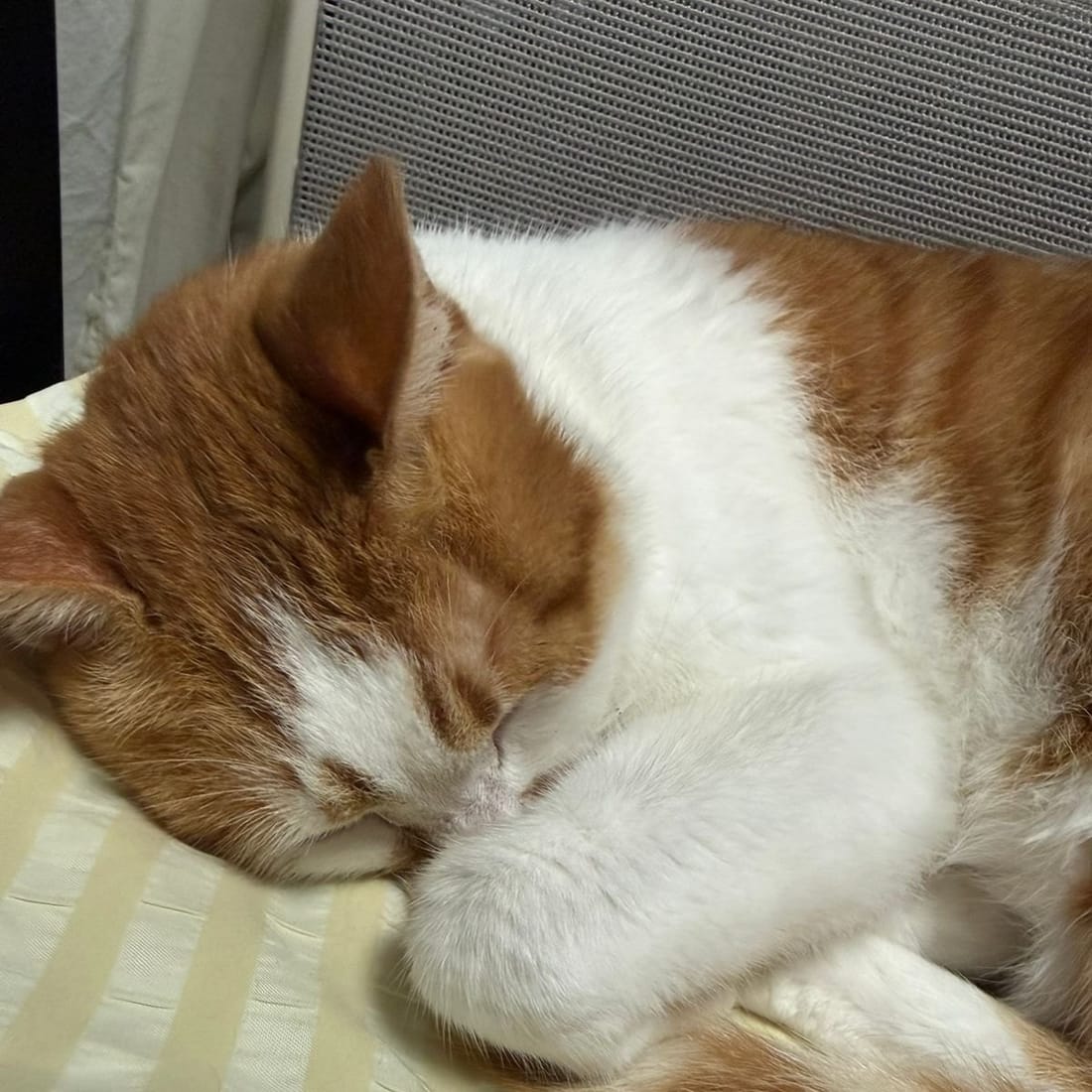
The most likely reason: the big bag doesn’t taste, smell, or feel exactly like the small one did. Cats are wired to notice tiny changes in kibble—freshness, oil coating, crunch, the faint smell of the bag itself—and a picky cat treats “close enough” as “no.” Sometimes it’s a genuine formula or manufacturing difference. More often the small pack was just fresher, and by the time you’re a week into a 12-pound bag, the aroma has faded enough that your cat shrugs and walks off.
I know this pattern painfully well. Our older cat, Yuja, has done it to us more times than I want to admit. We’d try a new food, she’d clean the bowl, we’d think “great, problem solved,” and go buy the biggest bag on the shelf. Then she’d refuse it completely. We’ve thrown out multiple full bags of food she “loved” three days earlier. So if you’re standing there staring at 12 pounds of rejected kibble, you’re not imagining it and you’re not doing anything wrong.
Why the small bag worked and the big one doesn’t
A few things change between the sample and the jumbo bag, and any one of them can flip a fussy cat.
- Freshness. Small bags move off shelves faster and get eaten faster. Dry food starts losing aroma the moment the bag opens, and the fat coating that carries most of the flavor goes stale over weeks. A cat eating from a big bag on week three is eating a duller version of the same food.
- Manufacturing lots. Kibble from different production runs can vary slightly in smell and oil. To us it’s identical. To a cat’s nose it might as well be a different product.
- Novelty itself. Some cats—Yuja is textbook—love food because it’s new. The first bowl is exciting. Once it becomes the everyday food, the appeal drains out regardless of freshness.
- Storage. Big bags sit open longer and absorb air, light, and pantry smells. Storing kibble in the original bag folded shut speeds this up.
You usually can’t tell which of these is the culprit, and honestly it doesn’t matter much. The fixes overlap.
Rule out the stuff that isn’t pickiness first
Before you go down the flavor rabbit hole, make sure this is actually a preference problem and not a health one. A cat who suddenly won’t eat anything, is losing weight, vomiting, or hiding is a different situation—if food refusal lasts more than a day or two, especially in a cat that’s normally a good eater, get her seen by a vet, because a cat that stops eating can get sick fast.
The tell for pickiness is simple: she refuses the big bag but pounces on a different food, a treat, or a fresh sample. If she’ll happily eat something else, appetite isn’t the issue—the food is.
What actually fixes it
Here’s the approach that finally stopped the cycle of buying big bags and dumping them.
Buy small and buy fresh. The single biggest change we made was accepting that Yuja does better on smaller bags bought more often. Yes, the per-pound price is higher. It’s still cheaper than tossing a full 12-pound bag. For a picky one-cat household, the smallest bag or a subscription of small bags on Chewy beats stockpiling.
Store it right. Keep the food in its original bag—it’s designed to hold in the fats and aromas—and put that whole bag inside an airtight container rather than pouring kibble loose into a bin. Roll the bag down and clip it. Cool, dark spot. This alone can stretch how long a food stays appealing.
Refresh the bowl every meal. With Yuja I dump whatever’s left, wash the bowl, dry it completely, and put down a fresh portion. Stale kibble sitting in a bowl for hours smells like nothing to a cat and can turn her off the whole food. A dry bowl matters too—damp residue changes the smell.
Warm it up or add aroma. A few seconds of your hand warming the kibble, or a splash of warm water, or a tiny amount of the food’s matching wet version stirred in, brings the smell back to life. Aroma is most of the appeal for cats, and warming amplifies it.
The 12-hour window that changed our routine
One specific thing I learned with Yuja: food that’s been sitting out too long doesn’t just get ignored, it can cause problems. She never eats a full portion at once—she grazes, comes back, grazes again. But if the food’s been down longer than about 12 hours, she’ll refuse it, then eat it later out of hunger, then throw it up.
For a long time I assumed she was stressed. What actually worked was treating the food as perishable: new kibble each feeding, bowl washed and dried, nothing left sitting all day. The vomiting stopped. So if your cat rejects the big bag and occasionally throws up, look at how long food is sitting out, not just what brand it is.
When to give up on a bag—and how to switch
If she’s refused the big bag consistently for a couple of days and readily eats other food, the bag has lost. Don’t wait her out; a picky cat will genuinely skip meals over this, and going without food isn’t safe for cats the way it is for dogs.
Move on, but do it smartly:
| Situation | What I’d do |
|---|---|
| She loved the sample, hates the big bag | Rebuy the smallest size; test freshness before committing |
| Refuses even a fresh small bag now | Rotate to a different flavor she’ll eat; don’t force the old one |
| New food, transitioning off old one | Mix gradually over 5–7 days so her stomach adjusts |
| Rejects everything, not just this bag | This isn’t pickiness—call the vet |
When you switch to a new food, blend it into whatever she’ll still eat over about a week rather than swapping cold. A sudden change can upset a cat’s stomach, and a picky cat may reject an abrupt switch out of principle anyway.
The part I can’t fix for you
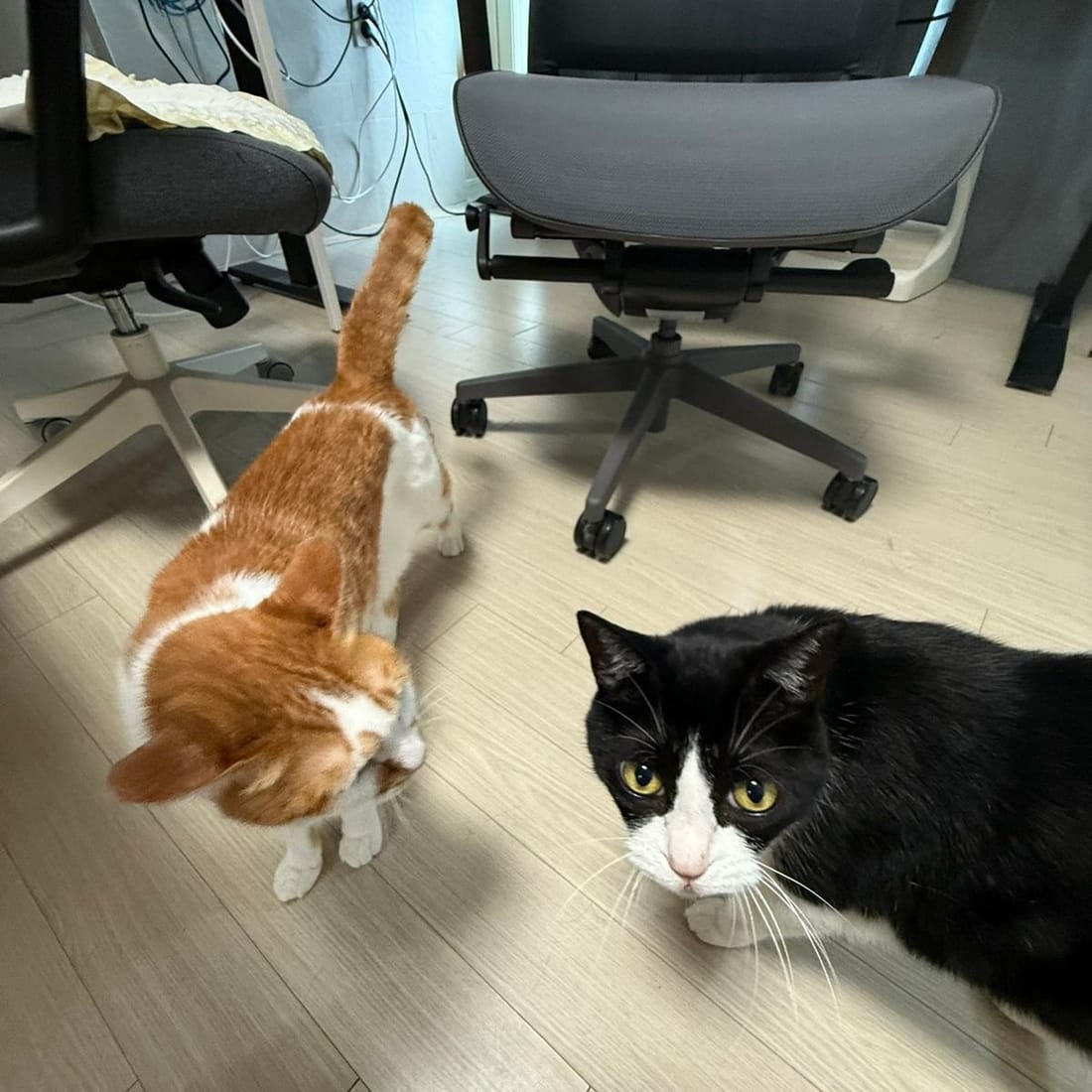
I’ll be honest about the limit here: we never fully “cured” Yuja’s pickiness. We manage it. She still refuses foods she liked a week earlier, and we still occasionally buy something that turns out to be a waste. Meanwhile our younger cat, Mochi, eats anything you put down and would happily finish a big bag of gravel. Same house, same bowls, completely different animals.
If your cat is a Mochi, buy the big bag and don’t overthink it. If she’s a Yuja, stop fighting the stockpile instinct. Small bags, fresh food, clean dry bowl, refreshed every meal. It costs a little more and saves you the specific misery of scraping an untouched 12-pound bag into the trash.
This article is general information from a cat owner, not veterinary advice. Talk to your vet about your cat's specific situation.