Why You Shouldn't Pull a Hiding Cat Out of Its Spot
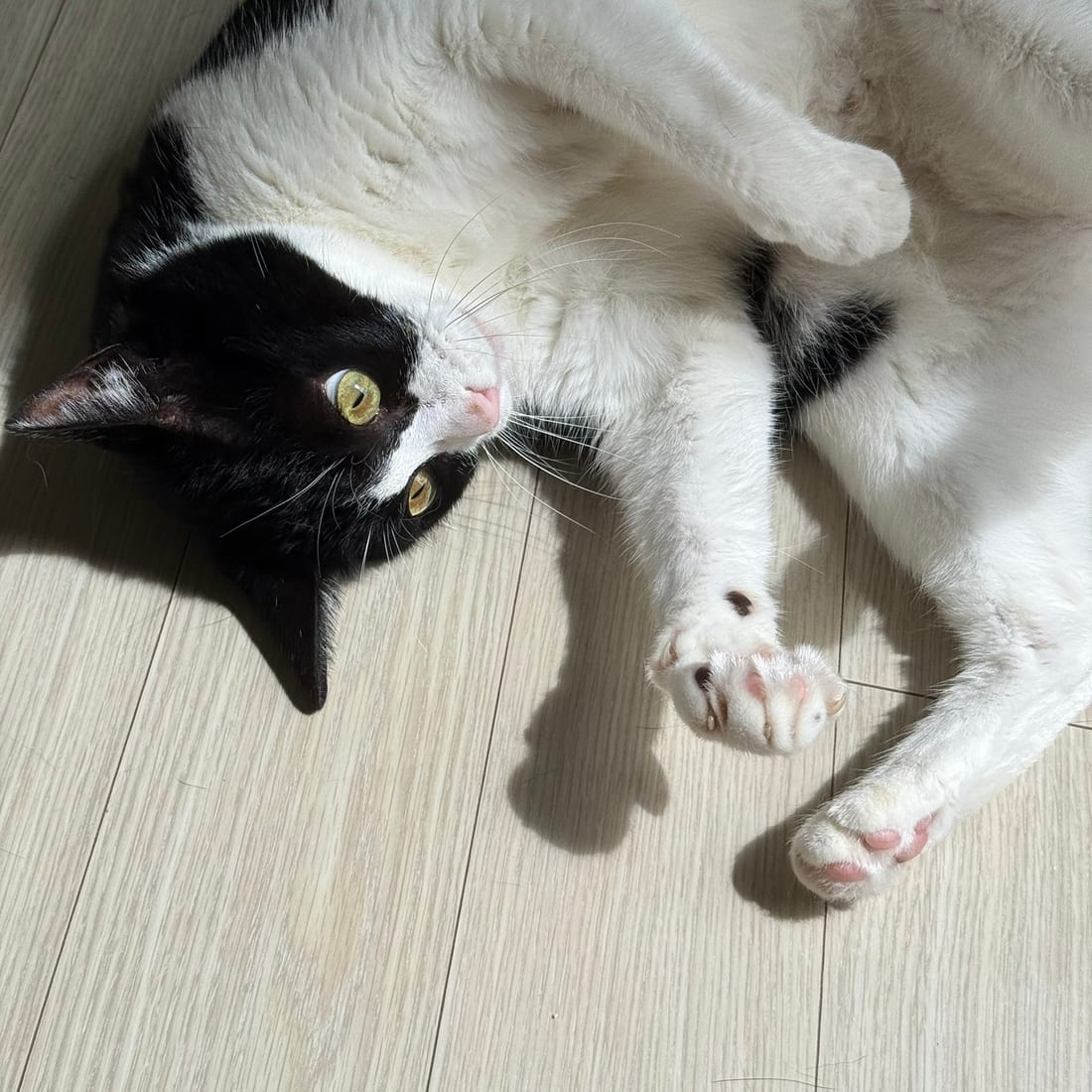
Don’t pull a hiding cat out of its spot. Forcing a scared cat into the open tells it that you’re the danger, undoes whatever trust you’ve built, and usually gets you scratched or bitten for nothing. A hiding cat isn’t stuck — it’s regulating fear. Take away the hiding place by force and the fear has nowhere to go but at you.
I learned this the slow, clawed way with our first cat, Yuja.
What actually happens when you drag a cat out
A cat hides because it feels exposed and needs a wall at its back. That’s not stubbornness; it’s the nervous system doing its job. When you reach in and haul the cat out anyway, you don’t fix the fear — you spike it. The cat learns two things at once: this spot isn’t safe, and neither are you.
The first lesson makes it find a worse, harder-to-reach spot next time. The second one is the expensive one. Trust with a scared cat is built in tiny deposits over weeks, and a single forced grab can wipe out a week of progress in ten seconds.
With Yuja, even pointing a phone camera at her hiding spot got a full hiss. If a camera was a threat, imagine what a hand felt like.
What we did when Yuja wouldn’t come out
When Yuja first came to us, she vanished. Door of the carrier was open, we went about unpacking, and by the time we looked up she was simply gone — we never saw her leave. We didn’t chase her. We let her have the space.
By day three we got worried about whether she was eating and drinking, so we searched the whole apartment: behind the closet, on top of and behind the fridge, behind the bookshelf, under the bed. We found her wedged behind the washing machine, not moving. The gap was too narrow to see into, so we slid a phone in on camera mode to check on her. She hissed at the camera alone.
Here’s the part that matters: we never pulled her out. We couldn’t have without hurting her or getting badly bitten, and it would have taught her exactly the wrong thing. Instead we brought the situation to her.
| What we could have done | What we actually did |
|---|---|
| Reached in and grabbed her | Left her behind the washer |
| Moved the machine to flush her out | Delivered food and water to her hiding spot |
| Kept checking on her constantly | Checked once with a phone camera, then left her alone |
| Waited for her to “get over it” alone | Gave her a reason to associate us with good things |
We slid her food and water bowls down behind the machine, right by her face. At first I reached in by hand and got scratched and bitten for it, so I switched to lowering the bowls with a long grabber tool. Every morning a little more of the food was gone. Then one day there was more waste in the litter box — proof she was eating. If you want the full picture of how long this stretch can run, we wrote it up in how long a rescue cat hides in a new home.
Won’t waiting just make it worse?
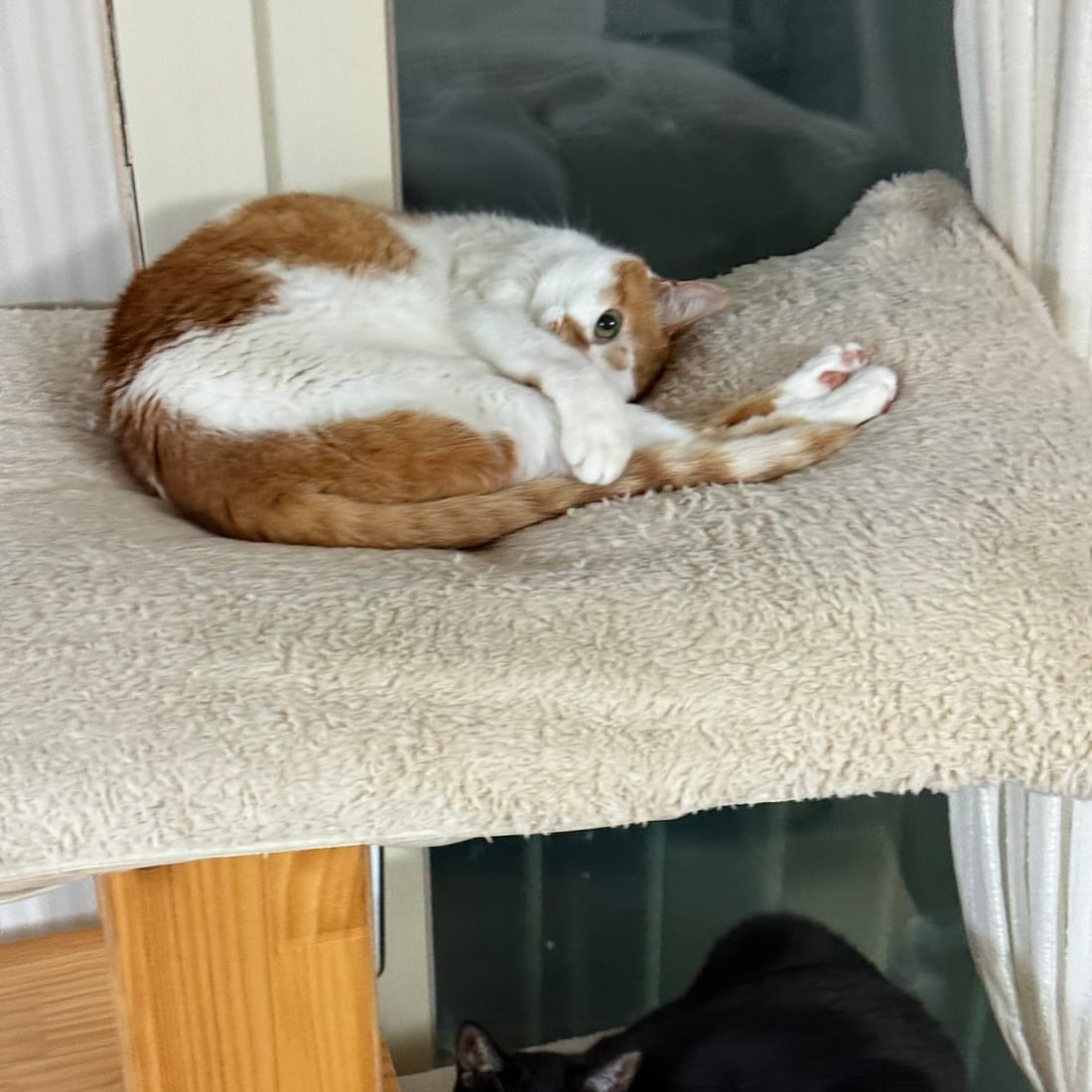
This is the fear that pushes people to grab: if I don’t do something, she’ll hide forever. The opposite is true. Doing the forceful “something” is what stretches it out.
Yuja stayed back there a little over ten days — honestly, closer to two weeks, though it was six years ago and I can’t give you an exact day. We never knew the precise moment she started coming out, because we couldn’t see behind the machine and things shifted while we slept. One day we found her on top of the fridge instead. Was that the first time she’d left? No idea. It’s just the first time we saw her out.
She still hissed if we so much as walked past. But she was out, and every quiet, uneventful day added a deposit. If we’d dragged her out on day three, we’d have started that count over — from a worse place.
The one situation where you do have to move a hiding cat
Emergencies. A fire, a flood, a smell of gas, a vet appointment that genuinely can’t be rescheduled. In those cases getting the cat out beats the trust cost, and you accept the scratches.
Even then, do it smart:
- Use a towel or a blanket, not bare hands. It protects you and gives the cat something to grip and press into instead of your skin.
- Move once, decisively. Fumbling and retreating repeatedly is worse than one calm, committed scoop.
- Have the destination ready — carrier open, door shut — so the cat isn’t loose and panicking mid-rescue.
For the recurring stress of vet trips specifically, a good enclosure removes a lot of the fight; we went through that in choosing a carrier for a cat that panics.
One health note: if a hiding cat isn’t eating or drinking at all and the litter box stays empty for a day or two, that’s not a trust problem anymore — call your vet. Watching the box is how we confirmed Yuja was still fine while she was out of sight.
What “leaving it alone” actually means
Leaving a hiding cat alone doesn’t mean ignoring it. It means removing pressure while staying useful.
- Deliver, don’t demand. Bring food, water, and a clean box near the hideout instead of luring the cat out to yours.
- Don’t loom. Crouch, keep your side to the cat, and skip the direct staring.
- Let it upgrade its own spot. When Yuja moved from behind the washer to the top of the fridge, we gently blocked the route back — not to trap her, but to let her keep choosing somewhere more out in the open.
- Count the boring days as wins. Progress with a fearful cat looks like nothing happening, over and over.
The whole approach comes down to one sentence I keep going back to: I didn’t do anything clever. I didn’t chase her. I fed her, and I waited.
Six years later Yuja lets me touch her paws — once, before the hiss. She still won’t come when called and still won’t tolerate long petting. But she comes and sits by me on her own terms, and none of that would exist if the first move had been a hand yanking her out from behind a machine.
Hiding is the cat asking for time. Pulling it out is answering “no.” Answer “yes” enough times and, eventually, it stops needing the hiding spot at all.
This article is general information from a cat owner, not veterinary advice. Talk to your vet about your cat's specific situation.