When a Cat's Trust Goes Backward (And Why It's Normal)
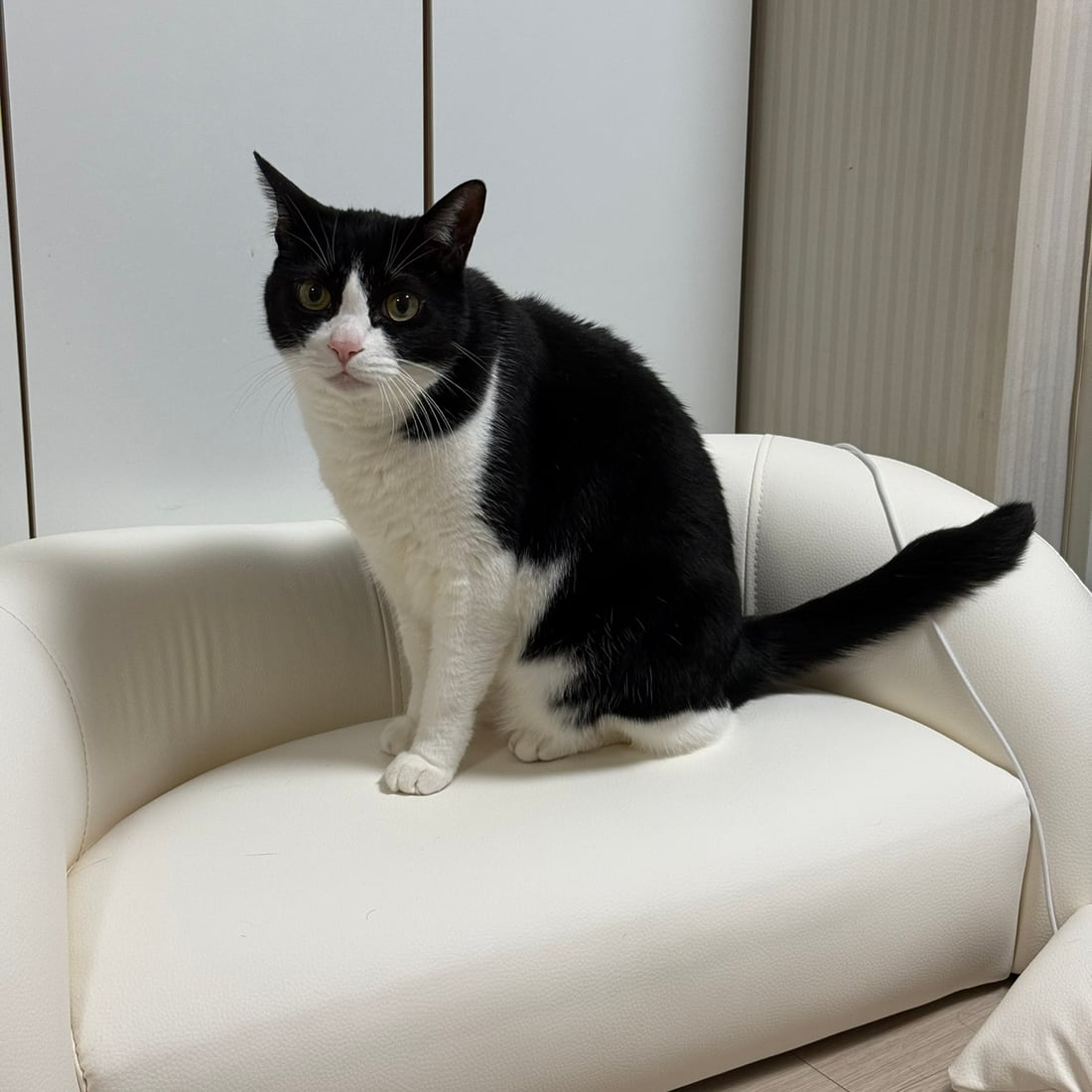
Yes, trust with a rescue cat can go backward — and it’s normal, even years in. A cat that curled up next to you last week can suddenly bolt at your approach. It almost always means something scared or overloaded her, not that your progress is gone. The trust is still there; it just went quiet for a bit.
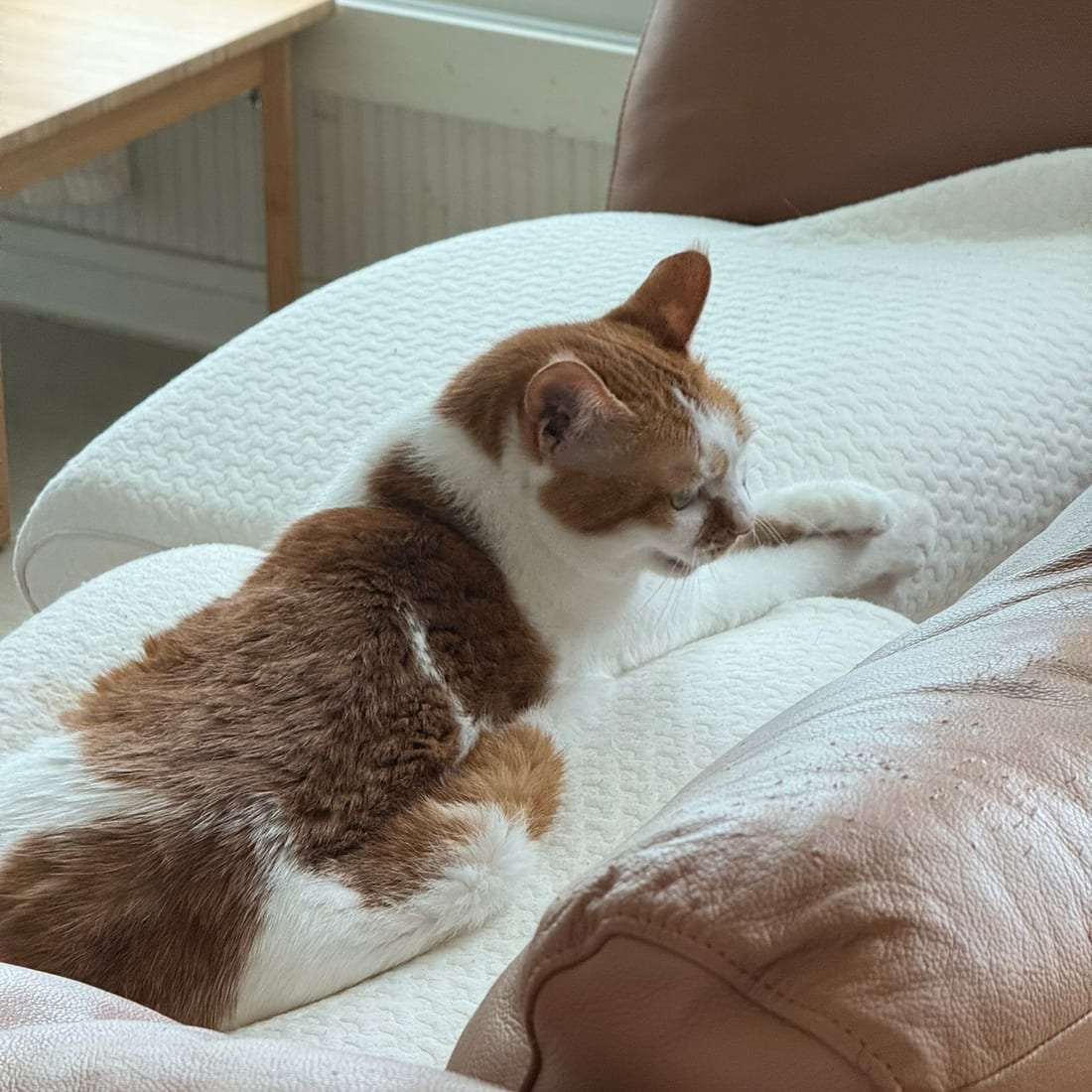
We’ve had our two cats for six years, and Yuja — our anxious orange-and-white one — still resets on us. Not to square one, but backward. Understanding why made those setbacks a lot less scary to live through.
Why does my cat suddenly act like she doesn’t trust me?
Trust isn’t a bar that fills up and stays full. It’s more like a tide. It comes in over months, then a single event pulls it back out — and then it comes in again. With a formerly feral cat, the “single event” can be tiny by human standards.
Here’s what we’ve actually watched set Yuja back over the years:
| Trigger | What it looks like | How far back it goes |
|---|---|---|
| Plastic bag sound | Was calm, bit and fled mid-scratch | Up to 3 days (in the early years) |
| Two pets in a row | Hisses, walks off | Minutes to an hour |
| Nail-trim attempt gone wrong | Won’t come near for a day | 1–2 days |
| A stranger in the house | Hides until they leave | Rest of the day |
| Smell of something new on our hands | Sniffs, backs away | Short — until she resettles |
None of these mean the relationship broke. They mean her nervous system hit a limit and pulled the emergency brake. The setback is the brake, not the damage.
Does trust really still slip backward after years?
It does, and honestly that surprised us. We assumed that once Yuja let us touch her paws — which took a full four years — the fear stuff would be behind us. It isn’t. She still hisses if you touch the same paw twice in a row. She still won’t respond to her own name after six years. Progress in one area doesn’t erase the wiring underneath.
The difference now is speed. In year one, a plastic bag meant three days behind the washing machine. Now she flinches, stands her ground, and watches. Same fear, faster recovery. That’s what “built trust” actually buys you — not the absence of setbacks, but a shorter road back from each one.
Her sister Mochi, the tuxedo who rolls over for anyone, barely has setbacks at all. Same house, same people, opposite baseline. If you’ve got two cats with completely opposite personalities, you already know the calm one makes the anxious one’s dips look bigger by comparison. That’s normal too.
What should I do when trust goes backward?
The most important move is the one that feels wrong: do less. When a cat pulls back, the instinct is to reassure it — reach out, coax, follow it to its hiding spot. That reads as pressure and stretches the setback longer.
What actually shortens it for us:
- Keep the routine identical. Same feeding times, same bowls, same spots. Predictability is the fastest reassurance a scared cat gets.
- Stop reaching. Let her come to you. When Yuja resets, we go back to the old rule — hand out, no grab, let her decide.
- Don’t stare. Direct eye contact from a person is confrontational to a wary cat. We go about our business like nothing happened.
- Feed through it. If she’s hiding, we bring food to her. Watching the bowl empty and the litter box fill tells us she’s okay even when she won’t show her face. If you’re not sure she’s eating, here’s how to tell if a hiding cat is eating and drinking.
One thing we gave up on: buying her back with treats. Yuja eats a new treat exactly once, then never touches it again, so the classic “rebuild trust with snacks” advice was a dead end for us. Quiet consistency did the work instead.
When a setback might be more than a setback
Most trust dips are behavioral and pass on their own. But a sudden change in a normally settled cat can also be physical, and that’s worth a second look. If a cat who’s been fine for years abruptly won’t be touched, stops eating for more than a day, hides in a way she never did, or gets aggressive out of nowhere, a vet visit rules out pain first. Cats hide discomfort well, and “she’s suddenly antisocial” is sometimes how it shows.
We separate the two by asking: is there an obvious trigger? Yuja avoiding us after a plastic bag rustled is behavior. Yuja avoiding us for no reason we can find, off her food, is a reason to call the vet.
The plastic bag, six years later
The clearest example of a setback we still manage is Yuja and plastic. For years the sound of a bag was the one thing that could flip a good moment instantly — mid-scratch, purring, then a bite and gone. We think, though we have no way of knowing for sure, that something in her outdoor life connected plastic with a bad experience.
Six years in, she’s better. She doesn’t flee anymore — she freezes and watches. But she still hates a bag coming near her. Oddly, if we leave one sitting still, she’ll walk over and chew it herself. We don’t understand that part. What we do understand is how to avoid the setback: we keep bags away from her, and when we can’t, we say her name so she knows it’s us behind the noise, or we go the opposite direction and act like we haven’t noticed her at all.
That’s the real lesson of a trust that goes backward. You don’t fix the fear. You learn its shape, you shorten the recovery, and you let the tide come back in on its own schedule. It always has.
This article is general information from a cat owner, not veterinary advice. Talk to your vet about your cat's specific situation.