Choosing a Carrier for a Cat That Panics
For a cat that panics, get a hard-sided carrier that opens from the top and the front, latches securely, and splits in half. That combination lets you lower a scared cat straight down instead of stuffing her through a door, and lets the vet lift her out without a wrestling match. Skip soft bags — they collapse when a cat thrashes and soak up urine.
That’s the short answer. The rest of this is about why those features matter and how to actually get a terrified cat inside one.
What makes a carrier work for a panicking cat
A calm cat will tolerate almost anything. A panicking cat exposes every weak point in a carrier design, usually at the worst moment. Here’s what actually earns its place.
| Feature | Why it matters for a scared cat |
|---|---|
| Hard shell | Keeps its shape when she braces and thrashes. Soft sides let her push a corner open. |
| Top opening | Lower her in and lift her out vertically. No dragging a clinging cat through a front hole. |
| Split-shell (top unclips) | At the vet, remove the top half and let her stay in the bottom during the exam. |
| Solid, wipeable floor | Scared cats pee. A hard tray wipes clean; fabric holds the smell for the next trip. |
| Secure latches | Not the flimsy plastic tab that pops when she shoves. Metal or double-latch is worth it. |
| Snug size | Room to stand and turn, not enough to launch herself around inside. |
The single most important one is the top opening. Most carrier struggles happen at the door — you’re pushing a cat who’s spread all four legs against the frame. Lowering her down from above removes that fight almost entirely.
Why a hard-sided carrier beats a soft one here
Soft carriers look gentler and they’re easier to carry, so people reach for them. For an anxious cat they backfire in two specific ways.
First, they don’t hold shape. When a cat panics she stiffens and pushes outward, and a soft wall gives, which somehow makes cats push harder. A hard shell just… doesn’t move, and a lot of cats settle once they realize the walls won’t budge.
Second, urine. Frightened cats often pee, and fabric-bottomed carriers turn that into a soaked, smelly mess you can’t fully clean. The next trip starts with a carrier that already smells like fear. A hard tray you can wipe with an enzyme cleaner breaks that cycle.
You’ll find plenty of solid hard carriers at Chewy, Petco, or PetSmart — look at ones where the whole top clamshells off, not just carriers with a small top zipper. Frisco and Petmate make the split-shell style at a reasonable price.
The carrier is only half the job — getting her in is the other half
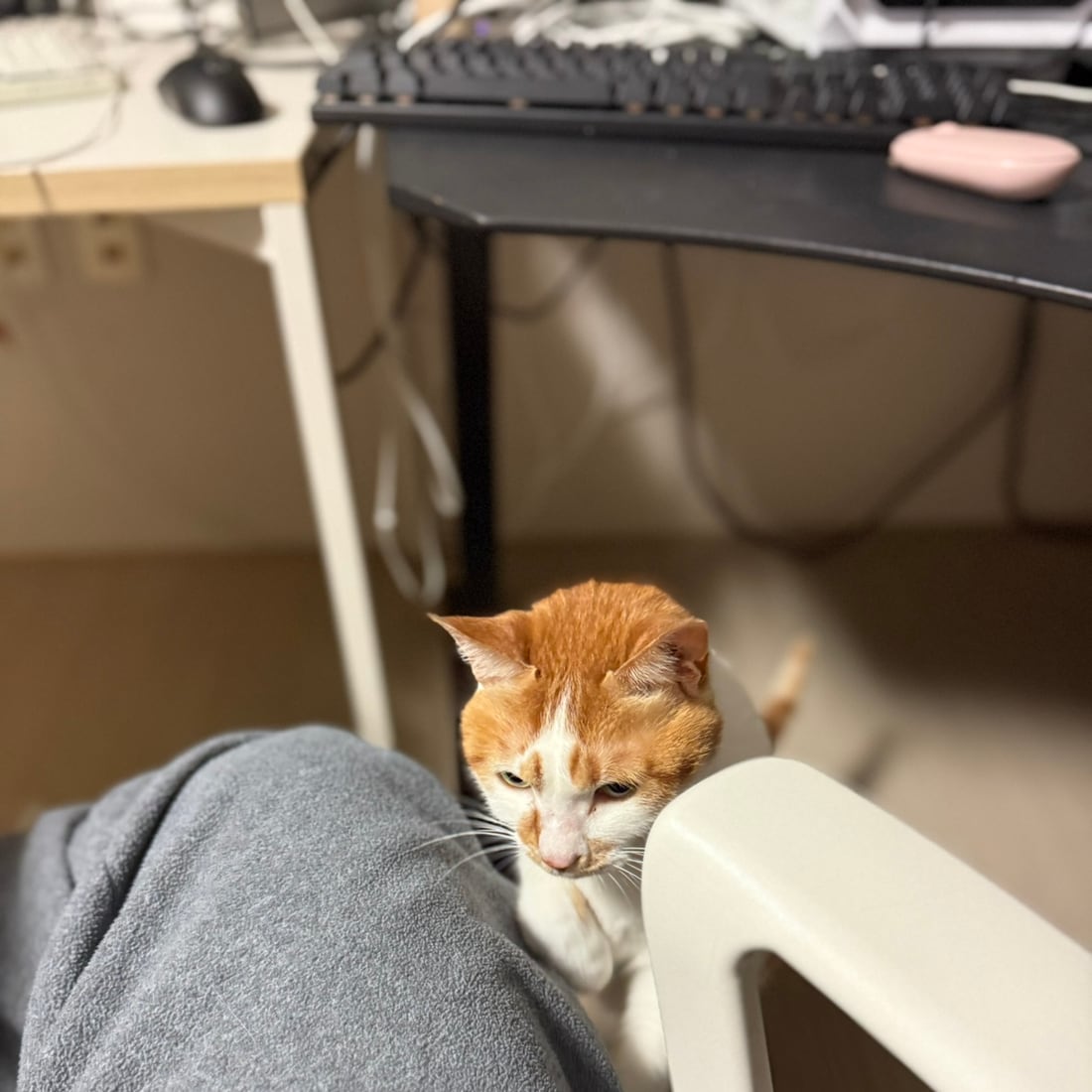
Yuja, our orange-and-white eight-year-old, came to us as a rescue and spent her first two weeks hidden behind the washing machine. Six years later she still hisses when she’s cornered, and a carrier is basically a corner she can’t escape. No carrier design fixes a cat who has learned that the box means terror.
What actually helps is making the carrier a piece of furniture instead of an event:
- Leave it out full-time. Take the door off or prop it open and set it in a room she uses. If it only appears on vet day, she’ll link it to fear every time.
- Feed near it, then in it. Put a few treats or a meal inside the open carrier. With a picky, anxious cat this takes weeks, not days — that’s normal.
- Make the inside smell like her. Drop in a towel or blanket she already sleeps on. Familiar smell lowers the alarm.
- Practice with the lid. On calm days, set her in, clip the top on for thirty seconds, then let her out with a treat. You’re teaching “the lid closes and nothing bad happens.”
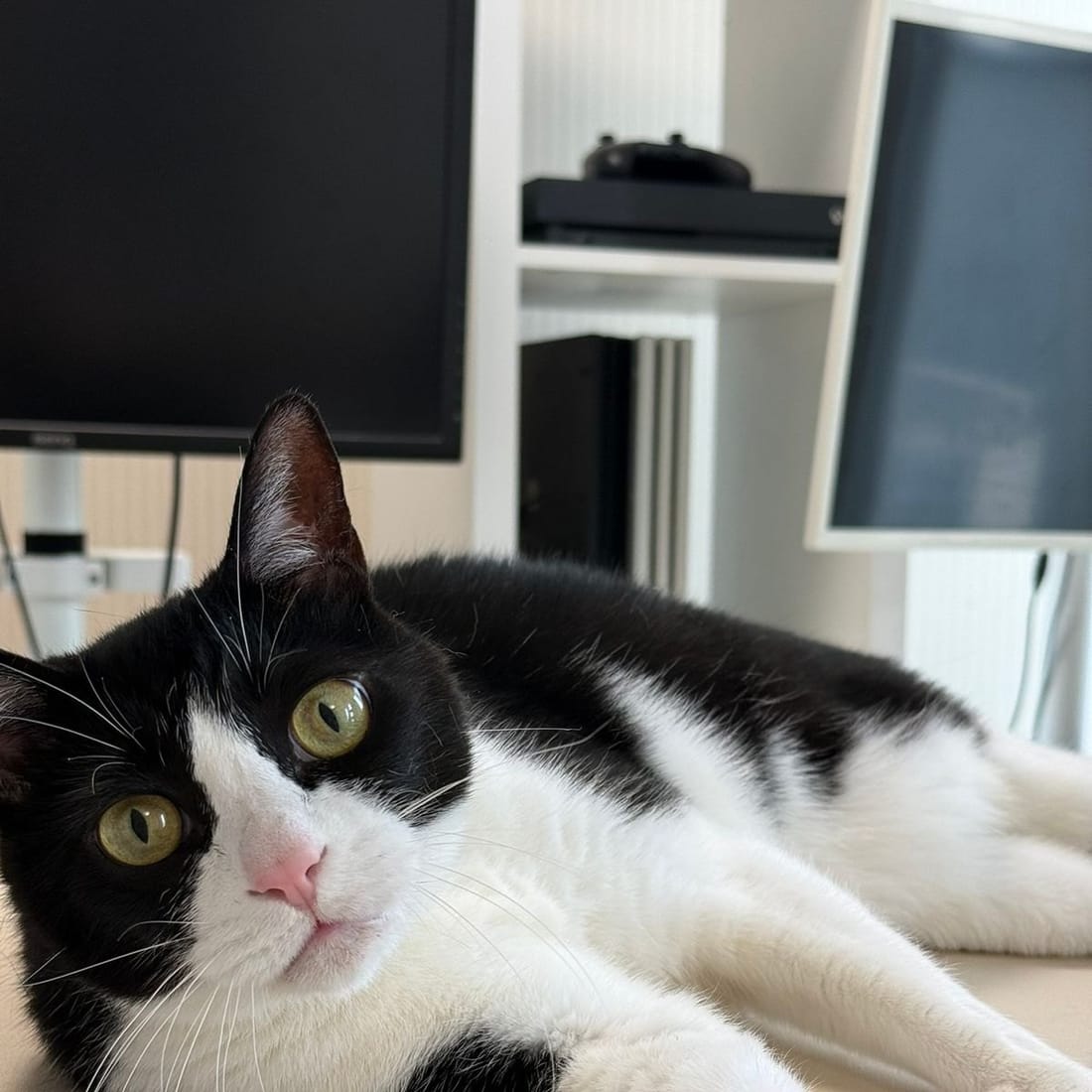
Mochi, our tuxedo, would climb into anything you put a treat in — she’s the easy one. Yuja is the reason we bought a top-loading carrier at all. When she won’t go in on her own, the top opening lets us lower her down instead of pushing, and that alone turned a ten-minute battle into a twenty-second one.
Handling the trip itself
Once she’s in, a few small things keep the panic from spiraling.
- Cover the carrier with a light towel. Blocking the view calms most cats, though a few do worse enclosed — watch which type yours is.
- Line the bottom with a puppy pad under her towel so an accident doesn’t leave her sitting in it.
- Buckle it in the car or wedge it on the floor behind a seat so it can’t slide.
- Keep your own voice low and boring. High, worried cooing reads as alarm to a cat.
- Skip food for a few hours before the trip if she’s prone to carrier-vomiting. Yuja will throw up if she eats and then gets jostled, so we time trips between meals.
When the panic is new or extreme
Carrier stress is normal. A cat who suddenly panics far worse than she used to — or who is drooling heavily, breathing open-mouthed, or going limp — is a different story and worth a same-day call to your vet, since that can be more than nerves. For a cat who’s simply always hated the box, though, it’s about desensitization and the right gear, not medicine.
If your bigger problem is a cat you can’t handle at all — the kind who hisses the second you reach for her — the same slow trust-building that works for a cat you genuinely can’t trim applies here too. The carrier goes better once she trusts your hands even a little.
We won’t pretend Yuja loves her carrier. She doesn’t, and she probably never will. But a top-loading hard-shell turned an impossible task into a manageable one — and for a cat that panics, “manageable” is the whole goal.
This article is general information from a cat owner, not veterinary advice. Talk to your vet about your cat's specific situation.