Why Is My Cat Scared of the Vacuum?
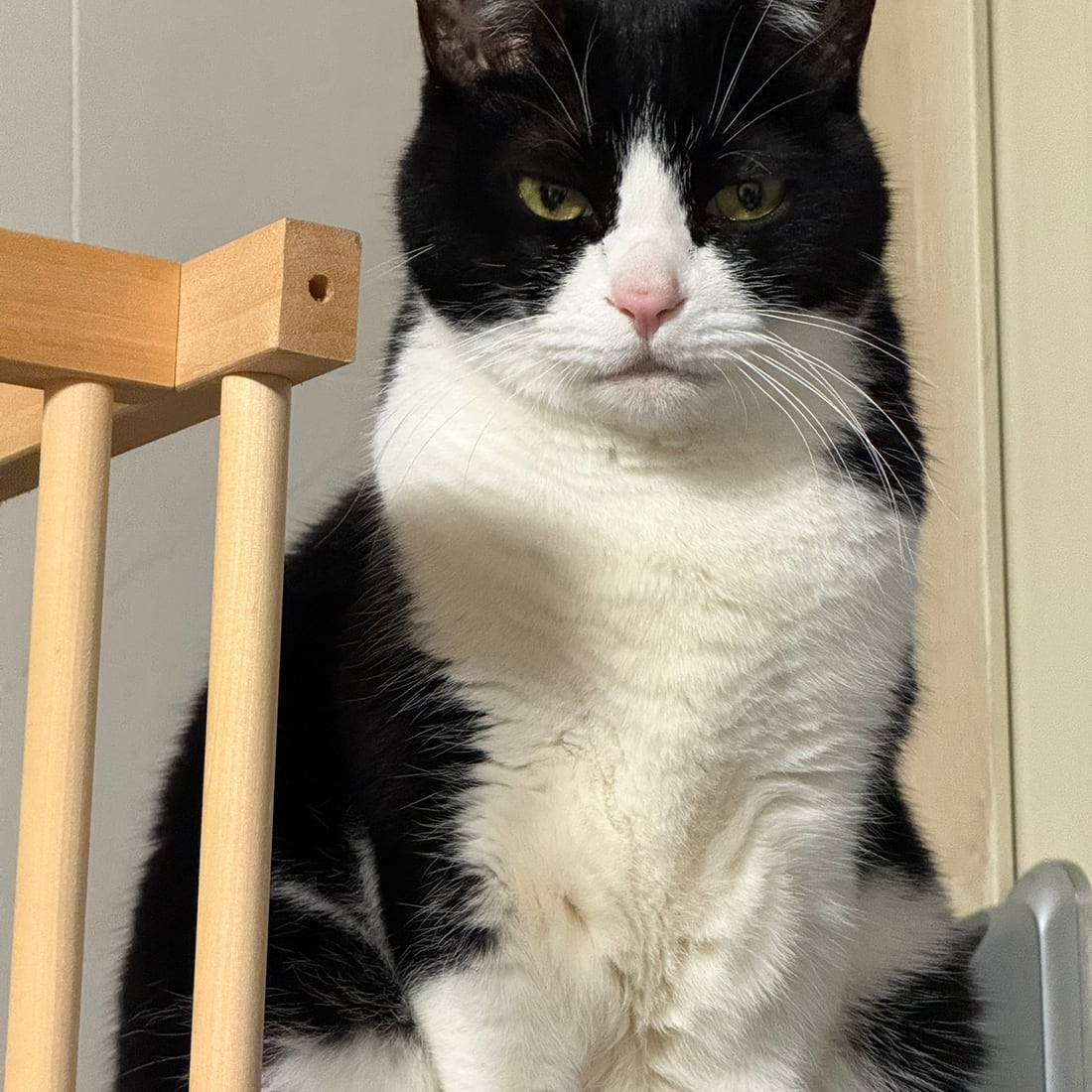
Your cat is scared of the vacuum because it’s loud, it moves in unpredictable ways, and it comes toward them — three things that read as “predator” to a small animal built to notice sudden noise. It’s an instinctive fear, not a behavior problem, and most cats never grow to love the machine. The goal isn’t a cat that ignores the vacuum. It’s a cat that has a safe place to go and recovers quickly once it’s off.
Why does the vacuum specifically freak cats out?
Plenty of household objects are noisy, but the vacuum hits an unlucky combination. Cats hear far higher frequencies than we do, so a vacuum’s whine carries a screech we don’t fully register. Add the low rumble they feel through the floor, and the noise is coming at them from two directions at once.
Then it moves. A blender is loud but stationary — the cat learns where the danger stays. A vacuum roars and chases you around the room in jerky, unpredictable passes. From a cat’s point of view, a large object is making a threatening sound and closing the distance. Running makes complete sense.
Our sensitive one, Yuja, reacts to the vacuum the same way she reacts to a rustling plastic bag: full retreat. She’s spent years in our home and still bolts the second the closet door where we keep it opens. Mochi, the confident one, mostly just relocates to the next room and watches from the doorway. Same house, same vacuum, two completely different thresholds — which is totally normal for two cats with opposite personalities.
Is this fear normal or a sign of something wrong?
For most cats, vacuum fear is completely normal and not worth worrying about. A cat that hides during cleaning and comes back out ten minutes later is fine. The instinct is doing exactly what it evolved to do.
What’s worth a second look is a sudden change. If a cat that used to nap through the vacuum starts panicking, or a normally social cat becomes jumpy at all sounds, the vacuum may not be the real issue — pain or illness can make animals more reactive to everything. In that case a vet visit is the fast way to rule things out. But a cat that has always disliked the vacuum is just being a cat.
How do I make the vacuum less scary?
You can’t argue a cat out of fear, but you can lower the stakes. The whole strategy is: make sure the cat can always leave, and slowly stack up good associations. Here’s the order we’d work in.
| Step | What to do | Why it helps |
|---|---|---|
| 1. Give an exit | Never corner the cat. Vacuum away from their hiding spot first | A cat that can flee doesn’t panic as hard |
| 2. Introduce it off | Leave the vacuum out, powered off, for a few days | Removes the “surprise object” factor |
| 3. Pair with treats | Set a treat near the parked vacuum | Builds a neutral-to-positive link |
| 4. Run it far away | Turn it on in another room, low if possible | Distance makes the noise survivable |
| 5. Shrink the distance | Over weeks, vacuum a little closer | Gradual exposure, not flooding |
The mistake most people make is skipping to step 4 on day one — turning the machine on right next to a cat who’s never had a chance to size it up. That teaches the cat the object means ambush, and now they run the moment you touch it.
Go at the cat’s pace, not yours. If your cat is comfortable at ten feet but bolts at eight, stay at ten for a week. Rushing this is the same trap as rushing a nervous cat’s trust in general — the timeline belongs to the cat.
What actually helps on cleaning day (right now)
You still need to vacuum, and you probably can’t run a six-week desensitization plan before every session. A few things make an ordinary cleaning day easier:
- Vacuum when the cat has an escape route. Open the door to a quiet room or a spot under the bed before you start.
- Don’t chase. If the cat is under the couch, skip that spot or come back later. Vacuuming toward a hiding cat is the single most stressful thing you can do.
- Warn them, sort of. Some cats settle faster if the vacuum lives in a predictable place and comes out at a predictable time. Chaos is scarier than routine.
- Keep sessions shorter when you can. Ten fast minutes beats thirty slow ones for a nervous cat.
- Let them come out on their own. Don’t drag a hiding cat out to “prove it’s fine.” That backfires every time.
We’ve stopped expecting Yuja to be in the room at all. She goes behind the washing machine — the same spot she hid in for two weeks when she first arrived — and comes out on her own once the noise stops. That’s a fine outcome. A safe hiding spot is a feature, not a failure.
What if my cat is getting worse instead of better?
Sometimes exposure backfires, and the cat gets more reactive over time instead of less. Usually that means the sessions have been too intense — the cat is being flooded rather than gradually acclimated, and every vacuum day reinforces the fear.
Back off. Return to a distance where the cat can stay relatively calm, even if that’s the far end of the house, and rebuild from there more slowly. Cut session length. Add treats the cat only ever gets on vacuum day.
If the fear has spread to other sounds, or the cat has stopped eating, hiding for very long stretches, or otherwise acting off, that’s worth mentioning to your vet — a cat that’s newly anxious about everything sometimes has a physical reason. But for the ordinary “hates the vacuum, always has” cat, the honest bottom line is this: some cats simply file the vacuum under “monster” for life. Yuja has, after six years. We work around it, she gets her hiding spot, and cleaning day passes without anyone getting hurt. That counts as a win.
This article is general information from a cat owner, not veterinary advice. Talk to your vet about your cat's specific situation.