What's Actually in Our Picky-Cat Pantry
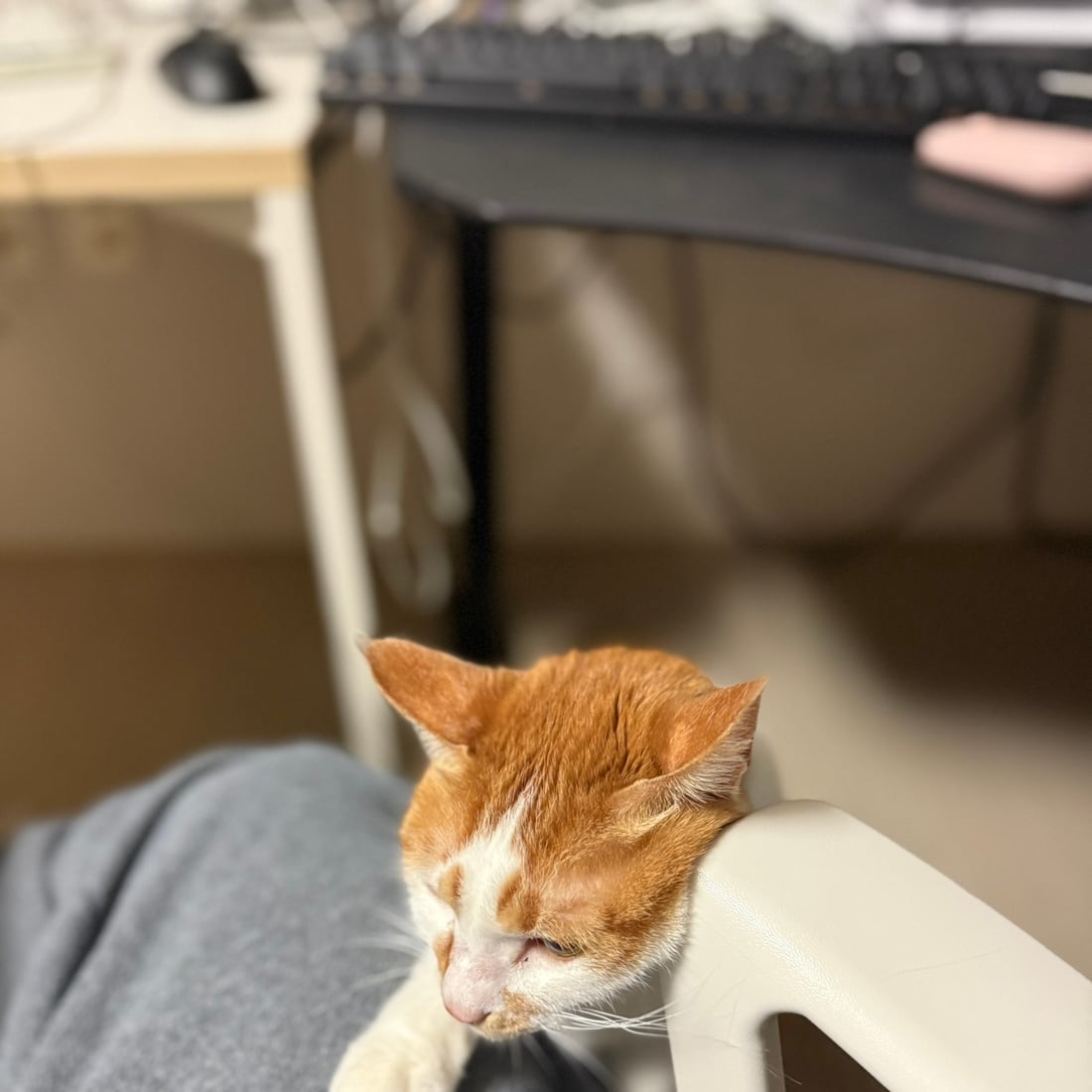
Our picky-cat pantry is deliberately small: two or three flavors Yuja currently eats, a few unopened single-serve backups, an airtight container, and a clean spare bowl. That’s it. The whole point is to always have a fresh option on hand without committing to a big bag she might reject tomorrow.
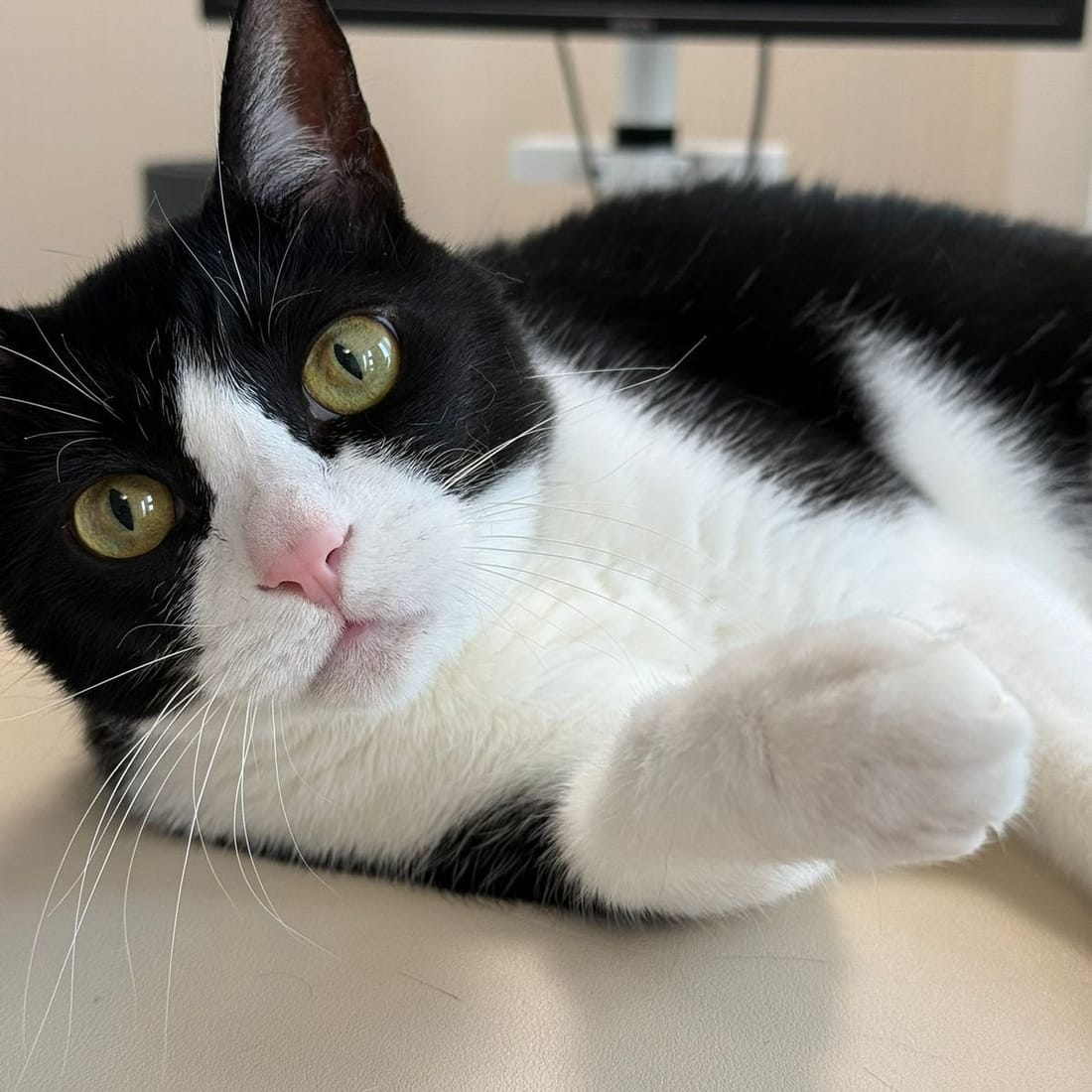
Yuja is the reason this stash exists. She’ll happily eat a new food the first few days, then quit it cold the moment we buy the big bag. We’ve thrown out full bags more than once. Mochi, meanwhile, eats anything you put down — so this pantry is built entirely around the difficult one.
The core stash: what we actually keep
Here’s the current lineup, minus brand names (they rotate constantly with a picky cat anyway).
| Item | Why it’s in the pantry | How much we keep |
|---|---|---|
| 2–3 accepted dry flavors | Rotating options so no single food gets “boring” | Smallest bag available |
| Single-serve wet pouches/cans | Fresh smell, no leftovers, emergency appetite starter | 6–8 unopened |
| Airtight container | Keeps dry food from going stale | One per open bag |
| Spare clean bowl | So there’s always a dry, washed bowl ready | 2 total |
| Unopened “test” bag | For trying a new flavor without committing | 1 small |
Notice what’s not here: no giant value bags, no bulk cases of one flavor. With a cat like Yuja, buying in bulk is how you end up donating food.
Why small bags beat big bags every time
This is the single most expensive lesson we’ve learned. Yuja will eat a food enthusiastically for a week, and the second we “reward” that by upgrading to a five-pound bag, she acts like we’ve filled her bowl with gravel.
We’ve never fully figured out if it’s the freshness dropping off, or some sixth sense for our shopping habits. Either way, the pattern is consistent enough that we just stopped fighting it. We buy the smallest bag on the shelf, even at Petco or Chewy where the price per pound is worse. Wasting a $6 bag stings less than wasting a $25 one.
If you’re stuck in this loop yourself, we wrote out the whole thing in why your cat won’t eat the big bag she loved.
The single-serve backups that save a bad night
The most useful thing in our pantry is a small drawer of unopened single-serve wet pouches and pull-tab cans. These are the emergency kit.
When Yuja suddenly refuses her usual — which happens with no warning — a freshly cracked pouch usually gets her eating. Our theory is smell: food that’s been sitting in an open bag loses its aroma, but a sealed pouch hits her nose hard the second it opens. There’s also no leftover sitting out to go stale and start the refusal cycle all over.
We keep six to eight on hand and treat them like matches: only strike one when we need it. If you burn through your whole stash trying to tempt her every day, you’ve got nothing left for the night she genuinely won’t touch anything.
One caution here, because food refusal isn’t always pickiness. If a cat who normally eats suddenly won’t touch anything for a day, or starts vomiting or losing weight, that’s a vet visit, not a pantry problem. A picky cat skips a meal and eats two hours later. A sick cat doesn’t come back.
The un-glamorous half: containers and clean bowls
Half our pantry isn’t food at all. It’s storage and dishes, and honestly they matter as much as the food.
Airtight containers. Every open bag of dry food goes into a sealed container, stored cool and out of the light. Stale-smelling kibble is one of the fastest ways to trigger a refusal, so we treat freshness as a feature, not an afterthought.
A spare, clean bowl. We keep two bowls so there’s always a washed, fully dry one ready to go. With Yuja, we swap in fresh food and a clean bowl every meal — food left longer than about 12 hours gets refused, and if she eats it later she throws up. Once we started washing and drying the bowl every time, the vomiting stopped. It turned out to be pickiness and sensitivity, not a stomach problem. If you’re wondering whether this is overkill, we broke down the real reasons in does washing the food bowl every meal actually matter.
What we deliberately don’t stock
Just as useful as the list of what to keep is the list of what to skip:
- Bulk cases of a single flavor. One flavor she loves today is one flavor she can abandon tomorrow. Variety in small amounts beats a mountain of one thing.
- Anything she’s rejected twice. We used to hold onto rejected bags “just in case.” She never came back to them. Now we cut losses fast and pass unopened food to a shelter or a friend with a less dramatic cat.
- Fancy toppers we haven’t tested. For a genuinely picky cat, a new topper is just another thing to sniff and walk away from. We add one variable at a time.
Building your own version
The specific brands don’t matter — yours will drift as your cat’s opinions do. What matters is the structure. Keep the footprint small, rotate a few proven flavors, always have a fresh single-serve backup, and never scale up a food until it’s earned it over several weeks.
For Mochi, none of this would be necessary; she’d eat kibble out of a shoe. But you build the pantry for the cat you actually have. If yours is more Yuja than Mochi, a small, disciplined stash beats a full shelf of food she won’t touch — and it wastes a lot less money getting there.
This article is general information from a cat owner, not veterinary advice. Talk to your vet about your cat's specific situation.