Feeding Two Cats: One Picky, One Eats Everything
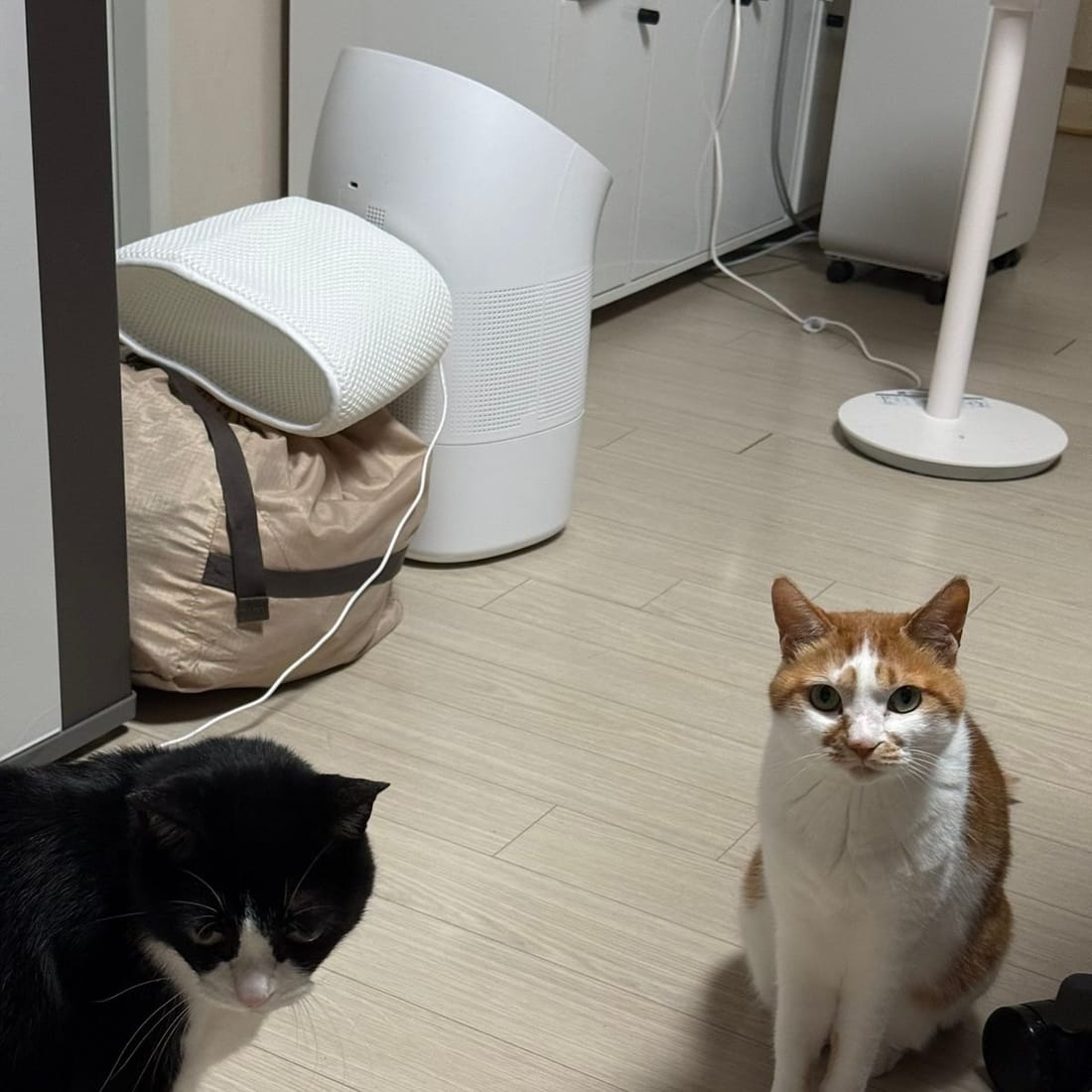
Feed them separately, on a schedule, and don’t leave the picky one’s bowl down for more than about 12 hours. That’s the short version. The hard part isn’t picking a food—it’s stopping the everything-eater from vacuuming up whatever the picky one walks away from, and doing it without turning every meal into a wrestling match.
We’ve run this exact setup for six years with Yuja and Mochi. Yuja is a champion-level picky eater who leaves food, comes back, leaves again. Mochi eats her portion, then goes looking for Yuja’s. If we didn’t manage it, Yuja would be underweight and Mochi would be a bowling ball. Here’s what actually works.
Why free-feeding fails with this pairing
Leaving a bowl out all day (free-feeding) is the default advice you’ll see, and it’s fine when both cats self-regulate. This pairing does not self-regulate.
The everything-eater will finish their own food, then patrol. If there’s food anywhere, they’ll find it and eat it. The picky one, meanwhile, is a grazer who needs the same bowl available across several visits—except now it’s empty because the other cat cleaned it out. You end up with one overweight cat and one who never gets a full meal.
There’s also a freshness problem. Yuja will not eat food that’s been sitting. Left down past roughly 12 hours, she’ll eventually eat it and then throw it up. So for us, an all-day open buffet was never on the table anyway.
Scheduled meals, fed apart
We switched to portioned meals fed in separate spots. This is the single biggest fix. Two to three feedings a day, each cat with her own bowl, in her own place.
You don’t need a spare room. Options that work:
- Different rooms. Easiest. One eats in the kitchen, one in the bedroom.
- A closed door for 20 minutes. Feed the fast eater behind a door, let the grazer take her time in the open.
- Elevated vs. floor. If one cat can jump and the other won’t bother, a counter or cat tree bowl buys you separation. This only works if the food-motivated one is the ground cat.
- Microchip or RFID feeders. SureFeed (sold on Chewy and Amazon) opens only for the collar tag or chip it’s paired with. Pricey, but it’s the real answer if you’re gone during the day and can’t supervise.
We supervise instead of using a smart feeder, mostly because Yuja is suspicious of anything new and a motorized lid clicking open would send her behind the washing machine. Know your cat. Mochi wouldn’t blink; Yuja would boycott the whole thing.
Handling the grazer without leaving food out
If your picky cat eats in several small sittings like Yuja, the trick is to give her time but not unlimited time, and to keep the other cat out during that window.
Our routine:
- Put down a small portion for Yuja in her spot.
- Feed Mochi hers at the same time somewhere else, so nobody’s staring at the other’s bowl.
- Mochi finishes fast. Once she’s done, she gets zero access to Yuja’s bowl—she either goes elsewhere or we’re standing there.
- Yuja grazes over the next hour or two. What she doesn’t finish gets picked up before the 12-hour mark.
- Next meal, fresh food, clean dry bowl.
That last point matters more than we expected. We used to just top off the same bowl. Yuja would eat, then vomit. We assumed it was stress. It turned out to be pure fussiness about staleness and moisture. Once we started giving her a fresh serving in a washed, dried bowl every time, the throwing-up basically stopped. If your picky cat vomits after eating and it’s happening often—especially if it comes with weight loss or skipping meals entirely—get a vet to rule out a medical cause before you assume it’s pickiness.
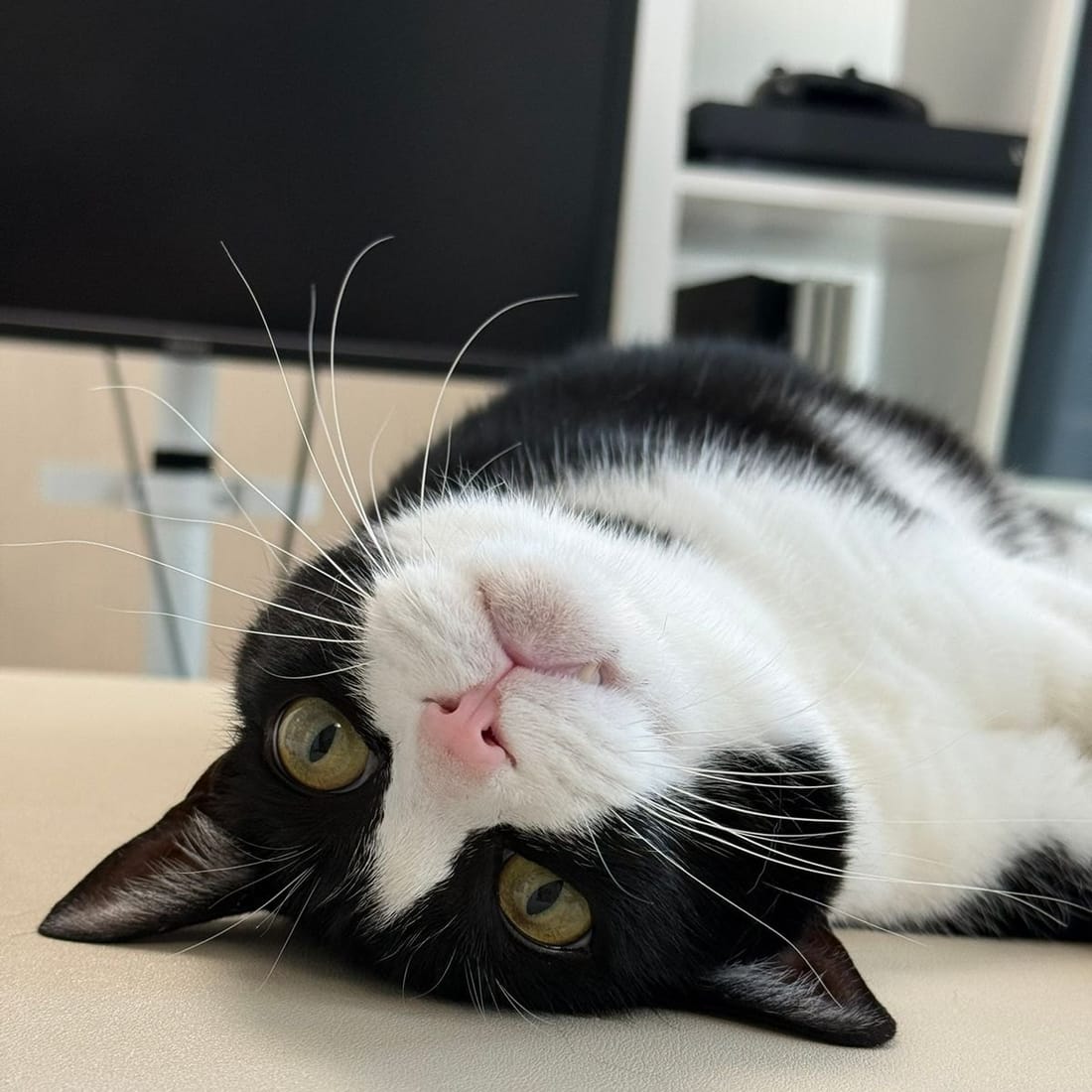
Don’t buy a big bag for the picky one
This is a money lesson we learned the expensive way. Yuja will devour a new food the first few times. You think, “Finally, she likes it.” You buy the big bag. She then refuses it completely and will literally go hungry rather than eat it.
We’ve thrown out multiple large bags this way. Now the rule is simple:
- Buy the smallest size of any new food for the picky cat first.
- Only size up after she’s eaten it consistently for a couple of weeks, not a couple of days.
- Keep the everything-eater’s food separate so you can buy that one in bulk without risk.
Mochi will eat essentially anything, so we buy her food in the large bag and save money there. Splitting your buying strategy per cat—small and cautious for the picky one, bulk for the reliable one—is how you stop feeding the trash can.
Managing weight when one steals food
The everything-eater’s real risk isn’t pickiness, it’s calories. When one cat is finishing their bowl and then hoping to raid the other’s, weight creep is the danger.
A few things that help:
| Problem | What we do |
|---|---|
| Fast eater begs after finishing | Portion by the bag’s feeding chart, not by eye; feed on schedule so meals are predictable |
| Fast eater raids the grazer’s leftovers | Physical separation until the grazer is done, then pick up the bowl |
| Grazer needs more calories, fast eater needs fewer | Different foods or different portions per cat—never a shared bowl |
If you can’t supervise and can’t separate, a microchip feeder is genuinely the fix for the calorie problem. It’s the only way to guarantee each cat eats only their own food when you’re not home.
What we’d tell a friend starting out
Stop thinking of it as “cat food” and start thinking of it as two feeding plans that happen to share a kitchen. Feed them apart. Give the grazer time but not an all-day buffet. Serve the picky one fresh food in a clean bowl every meal, and buy her new foods in the smallest size until she proves she’ll keep eating them. Buy the reliable eater’s food in bulk and watch their weight.
Six years in, Yuja still eats in three tiny installments and still snubs any food we dare to buy in quantity. Mochi still finishes in ninety seconds and still looks longingly toward the bedroom where her sister is grazing. But nobody’s underweight, nobody’s overweight, and nobody’s throwing up on the rug. That’s the whole goal—two cats, two plans, one peaceful kitchen.
This article is general information from a cat owner, not veterinary advice. Talk to your vet about your cat's specific situation.