Wet Food vs Dry Food for a Picky Cat: What We Actually Feed
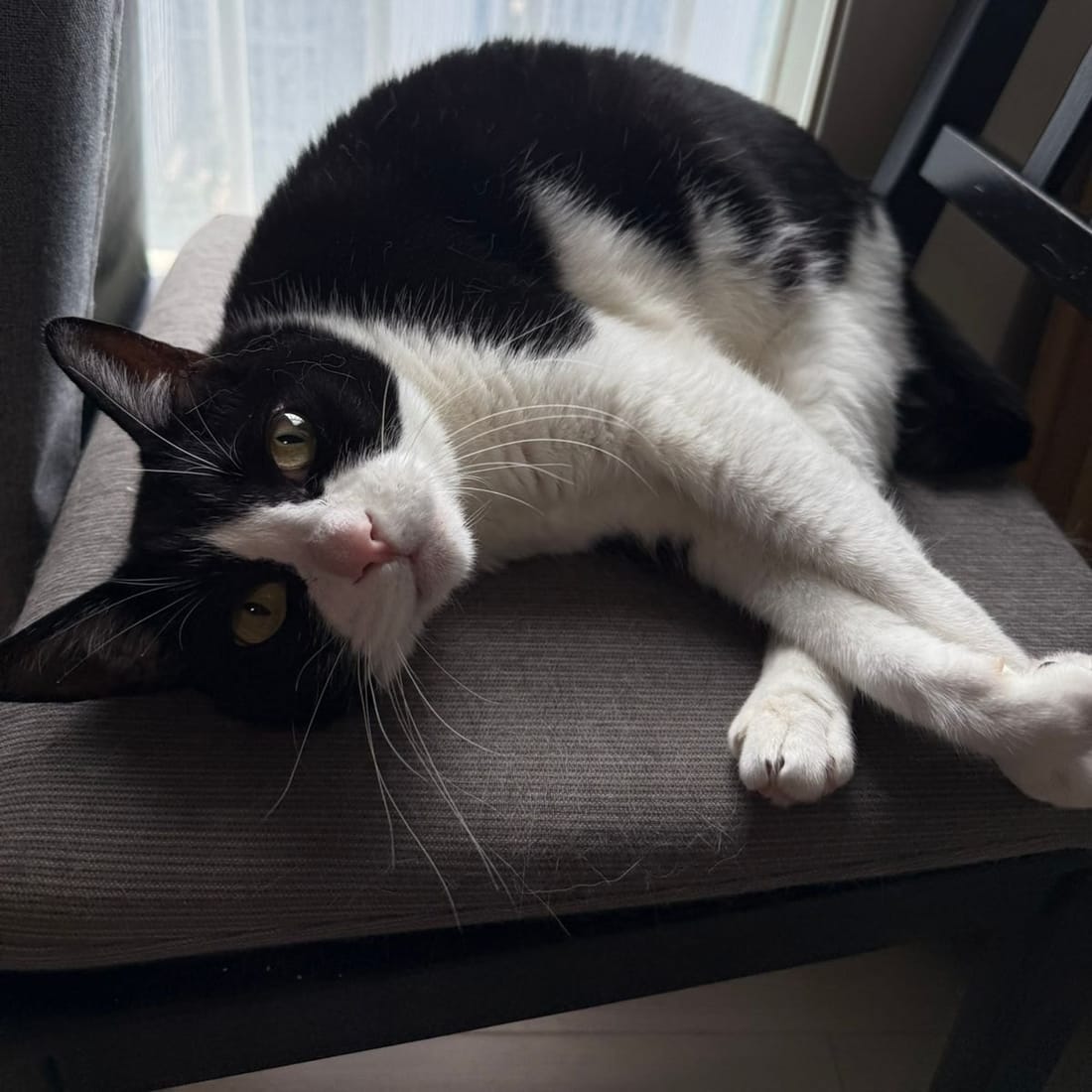
If your cat is genuinely picky, the wet-vs-dry question is the wrong one to obsess over. In our house, the thing that fixed our fussiest cat wasn’t switching formats — it was fixing the routine around the food. We feed dry as the base with a little wet mixed in, but the real wins came from small-batch portions, a clean dry bowl, and never letting food sit too long. Format second, routine first.
We’ve had two rescue cats for six years now, both around 8 years old. Mochi eats anything you put down. Yuja is the reason this article exists. She’s the cat who eats a new food beautifully, tricks you into buying the big bag, and then refuses it to the point of skipping meals entirely. So most of what follows is about her.
Wet vs dry: what each actually does for a picky cat
There’s no universal winner, but each format has a job.
| Wet food | Dry food | |
|---|---|---|
| Smell/palatability | Stronger aroma, often more tempting | Milder, but shelf-stable |
| Hydration | High moisture, good for water-shy cats | Low moisture |
| Sits out safely | A couple hours max before it spoils | Hours, but goes stale/greasy |
| Grazing-friendly | No — dries out fast | Yes — good for many small visits |
| Waste on a picky cat | High if she rejects it | High if she rejects it |
For a picky cat, the honest summary: wet food is often more tempting in the moment because it smells louder, but it punishes a grazer who eats in tiny bursts because it turns crusty and unappetizing within an hour or two. Dry food survives grazing but can be a harder initial sell. That tension is exactly why we don’t pick one — we combine them and lean on the routine.
Why routine beat format for us
Yuja doesn’t eat a full meal in one sitting. She takes a few bites, wanders off, comes back 40 minutes later, comes back again after that. If a food is going to work in our house, it has to survive that pattern.
We learned two hard rules with her:
- Past about 12 hours, she won’t touch what’s in the bowl — and if she eats it later out of hunger, she throws it up.
- A dirty or wet bowl was a silent dealbreaker. She’d reject food we knew she liked, and we blamed stress for the longest time.
So now, every time we feed her, we dump the old food, wash the bowl, dry it completely so there’s no water film, and put down fresh food. That single change — fresh food, dry clean bowl — is what stopped the vomiting. It wasn’t a supplement or a special diet. It was housekeeping.
If your picky cat eats in bursts like Yuja, this is where I’d start before spending money on new food.
The “small bag first” rule that saves us money
Here’s Yuja’s most expensive trick. She eats a brand-new food like she’s been starving for a week. We think, finally, a food she loves. We order the big bag from Chewy. She refuses it. Not “eats less” — refuses it, holds out, and would rather skip meals.
We’ve thrown away multiple full bags this way.
Now we buy the smallest size of anything new, every time. A small bag or a variety pack tells us whether the interest lasts more than a few days. Only if she’s still eating it after a week or two do we size up. It feels wasteful to buy small at a higher per-pound price, but it’s far cheaper than tossing a 12-pound bag she’s decided she hates.
A few things that make this easier:
- Petco, PetSmart, and Target all carry small trial sizes in-store, so you can grab one without waiting on shipping.
- Chewy’s autoship is great — but don’t set it up on a food your picky cat has only eaten for three days.
- Keep whatever she reliably eats as the fallback so a rejected experiment doesn’t turn into a skipped day.
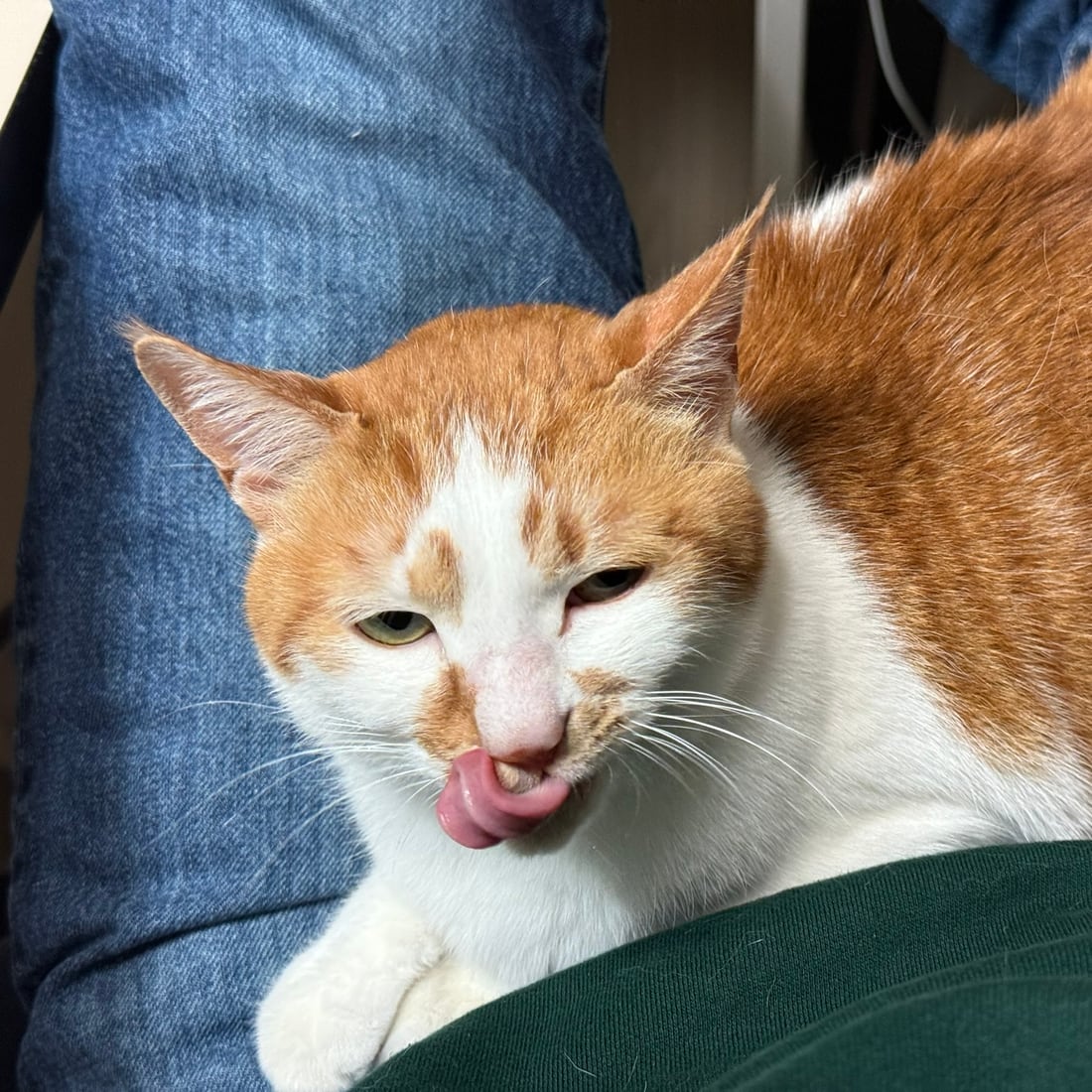
How we actually feed, day to day
Our setup is simple and it took years of trial and error to land on.
- Base: dry food, because it holds up to grazing across the day. This is what’s in the bowl most of the time.
- Topper: a small amount of wet food when we want to boost interest or moisture, given fresh and cleared before it dries out.
- Portions: small servings, refreshed rather than one big pile that sits and goes stale.
- Bowl: washed and dried every serving. Non-negotiable for Yuja.
- Timing: nothing left to sit past that 12-hour window.
Mochi, for the record, does not need any of this. She’d eat off the floor and ask for seconds. She also gets her nails clipped without drama, which feels relevant only because it reminds me that “cat” is not one personality. Two cats, same house, completely different needs. If you have one easy eater and one impossible one, you’re not doing anything wrong — you just have a Yuja.
When picky is actually a problem
Picky is a personality. A sudden change in appetite is not, and that’s the line I’d watch.
If your cat has always been fussy, the routine tweaks above are the right lever to pull. But if a cat that normally eats fine suddenly stops eating, keeps skipping meals, loses weight, or starts vomiting regularly, that’s worth a vet visit sooner rather than later — because food refusal can be a symptom, not just an opinion. In cats especially, going without food for more than a day or two is genuinely risky, so don’t wait it out for a week hoping it passes.
The distinction that matters: Yuja refusing a specific new food while happily eating her usual is behavior. Yuja refusing everything would be a phone call to the vet.
FAQ
Should I just switch a picky cat to all wet food? You can try, but it’s not a guaranteed fix, and it’s tough for grazers because wet food spoils fast. We keep dry as the base and use wet as a topper. Test with small amounts first.
How long can wet food sit out? Not long — a couple of hours at room temperature before it dries out and gets iffy. For a cat who eats in bursts, that’s a real limitation. Clear it and refresh rather than leaving it.
My cat loved a food, then quit it. Why? Extremely common with picky cats — we live it constantly with Yuja. Sometimes it’s genuine boredom, sometimes it’s the bowl (dirty or damp), sometimes food that’s sat too long. Try a clean dry bowl and fresh food before assuming the food itself is the problem.
Is mixing wet and dry in the same bowl okay? It works for us as long as it’s fresh and cleared before the wet portion dries into the kibble. If your cat grazes over many hours, mixing can backfire because the leftover gets unappealing fast.
The short version: don’t let the wet-vs-dry framing convince you there’s one right answer to buy your way to. Pick the format that fits how your cat actually eats, then get obsessive about small portions, a clean dry bowl, and timing. That’s what turned our starve-herself picky cat into one who eats without throwing up — and it cost us nothing but a little dish soap.
This article is general information from a cat owner, not veterinary advice. Talk to your vet about your cat's specific situation.