What Never to Do With a Formerly Feral Cat
The single worst thing you can do with a formerly feral cat is force contact — grabbing, cornering, or dragging her out to “socialize” her faster. It reads as a predator move and can undo weeks of progress in seconds. The fastest route to trust is almost always doing less: feed, give space, and let her set the pace.
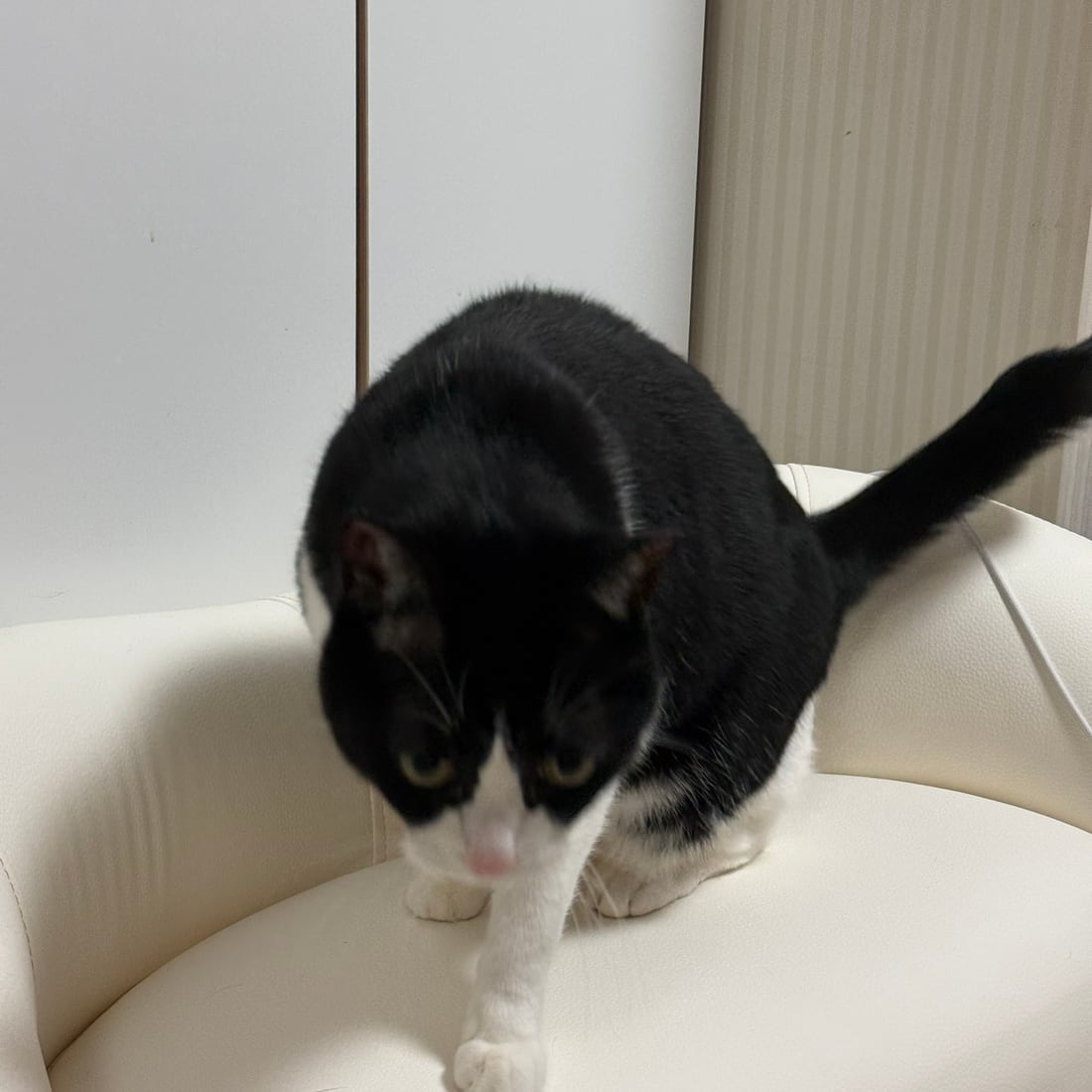
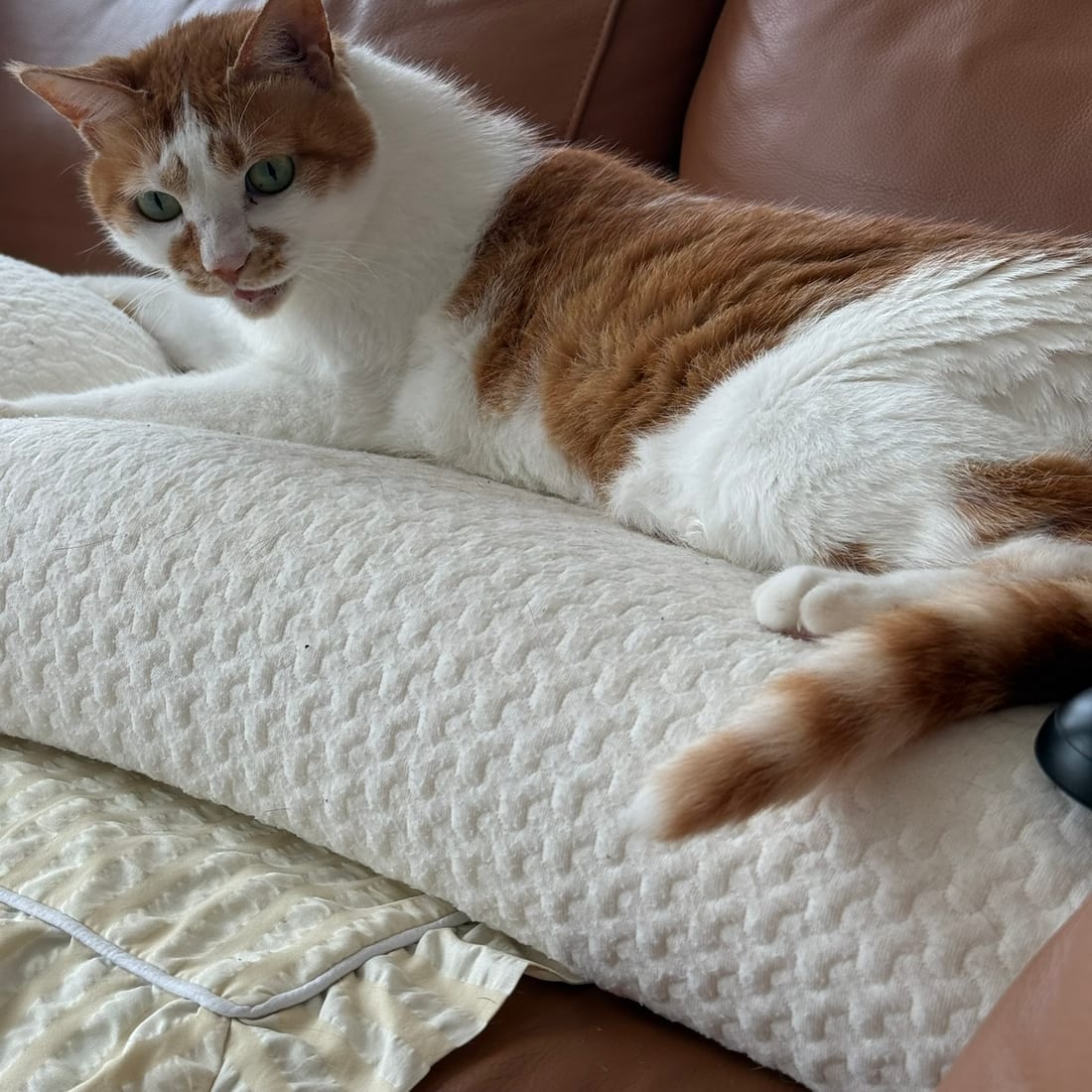
We’ve lived this for six years. Yuja, our orange-and-white first cat, spent her first days hidden behind the washing machine and took four years before she’d let us touch her paw. Mochi, her tuxedo sister, was rolling over for belly rubs within weeks. Same house, same people, opposite outcomes — which is exactly why the “never do this” list matters more than any trick.
What are the biggest mistakes with a formerly feral cat?
Here’s the short version, ranked by how much damage they do:
| Mistake | Why it backfires | Do this instead |
|---|---|---|
| Forcing contact (grabbing, holding, dragging out) | Confirms you’re a threat | Let her come to you; end petting early |
| Removing all hiding spots | Takes away her only coping tool | Give one safe hideout, feed near it |
| Punishing hissing or biting | Fear + pain, now stacked | Back off, read the warning, adjust |
| Rushing on a timeline | Pressure reads as danger | Match her speed, not your calendar |
| Overwhelming her with noise and people | Floods a nervous system already maxed out | Keep the first weeks quiet and boring |
Everything below is a version of the same rule: don’t make yourself the scary thing.
Never drag a hiding cat out of her spot
When Yuja arrived, we opened the carrier door and just… didn’t look at her. By the time we finished unpacking, she was gone. We didn’t chase. On day three, worried she wasn’t eating, we searched the entire place — behind the closet, on top of and behind the fridge, under the bed — and found her wedged behind the washing machine. The gap was so tight we had to slide a phone camera in to confirm she was there. Even the camera got a hiss.
We never once pulled her out. Instead we brought the food to her. That’s the difference between a hiding spot and a trap: a cat who can retreat feels safe enough to eventually stop needing to. If you seal off or yank her from the one place she feels secure, you’ve removed her ability to self-soothe, and she has nowhere left to go but panic. We wrote out the whole reasoning in why you shouldn’t pull a hiding cat out of its spot.
The one adjustment we did make: once Yuja moved on her own from the washer to the top of the fridge, we quietly blocked the route back to the washer. Not to trap her — to let her settle somewhere better. There’s a difference between removing a hiding spot and encouraging a step up to a nicer one.
Never punish a hiss or a bite
A hiss is not defiance. It’s a warning label, and it’s doing you a favor. Yuja hissed at a phone camera, at footsteps, at us just walking by. If we’d scolded or sprayed her for it, we’d have taught her that warnings don’t work — and a cat who learns that warnings are pointless goes straight to biting with no notice.
When we first tried to hand-feed her behind the washer, she scratched and bit. We didn’t punish it. We switched to lowering the bowl with a long tool so nobody got hurt and she still got fed. The bite was information: your hand is too close. We listened, changed the method, and the meals kept coming.
Six years later she still bites if you pet her twice in a row. We read it as “that’s enough” and stop. If your formerly feral cat bites during petting, there’s usually a readable pattern behind it — punishment just erases the signal you actually need.
Never force a friendship timeline
This is the mistake even loving owners make, because they’re eager. But a formerly feral cat can’t be talked into trusting you faster, and pressure reads as threat.
Our two cats are the clearest proof that timelines aren’t yours to set. While Yuja hid for a little over ten days — honestly, we’re not sure of the exact day she started coming out, since we couldn’t see behind the washer — Mochi was already eating happily and greeting us. We did nothing different for each. Yuja simply needed four years to reach what Mochi reached in weeks.
What “not rushing” looked like in practice:
- We didn’t stare at her (a direct stare is confrontational to a nervous cat).
- We didn’t reach for her; we let her close the distance.
- We kept petting sessions short and stopped before she wanted to.
- We accepted that some days were backslides and didn’t take it personally.
The owner’s one-line summary of the whole six years: I just waited. Didn’t chase, kept her fed, and waited. If you want the full arc, we mapped it in how to earn a formerly feral cat’s trust: a 6-year timeline.
Never assume treats and toys will fix everything
Two pieces of standard advice failed completely with Yuja, and it’s worth knowing they can fail.
Treats to build trust: classic advice, and it works for plenty of cats. Not ours. Yuja eats any treat exactly once, then refuses it forever — same as her food. We eventually gave up on treat-based bonding entirely because there was no treat we could keep offering. Test it with your cat, but don’t build your whole plan on it.
Toys as a shortcut: both our cats love toys, but that didn’t translate to trust. It’s just play, on their terms. Yuja bites a toy and won’t let go until it breaks, then never looks at it again. Mochi does dramatic hunting jumps and, when she overshoots and misses, gets weirdly embarrassed and wanders off. Fun to watch — but neither behavior is a bonding lever you can pull on a scared cat.
When “something’s off” is worth a vet visit
One honest exception to “give her space”: if a formerly feral cat suddenly stops eating, keeps vomiting, or drops weight, don’t wait it out as if it’s only nerves. Because these cats hide illness well and often refuse handling, it’s easy to miss. When Yuja was behind the washer, the way we confirmed she was actually eating was the litter box filling up again — a low-stress way to check without cornering her. If you can’t confirm she’s eating and drinking within a day or two, that’s a call to the vet, not a patience problem.
The theme under all of it: a formerly feral cat isn’t broken and doesn’t need fixing on your schedule. She needs you to be predictable, boring, and patient enough to let her decide you’re safe. Six years in, Yuja still won’t let us clip her nails and ignores her own name — and she also sleeps in the same room and purrs to ask for scratches. That’s what “slow” actually buys you.
This article is general information from a cat owner, not veterinary advice. Talk to your vet about your cat's specific situation.