Should You Leave the Cat Carrier Out All the Time?
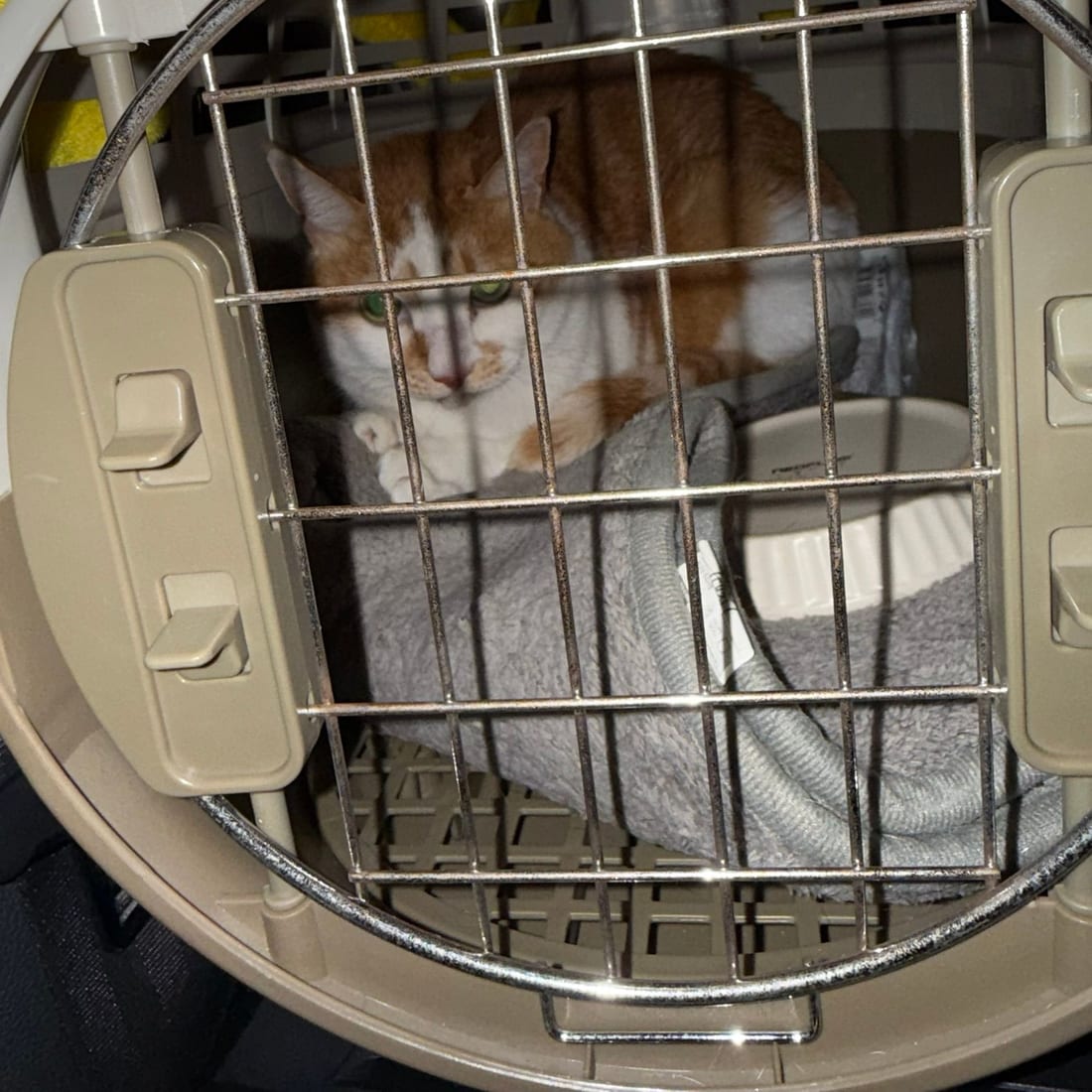
Yes, leaving the carrier out full-time is worth trying — it removes the “carrier means a bad day” association that makes vet mornings a wrestling match. But it only helps if your cat actually chooses to go near it on their own. If the carrier just sits ignored in a corner for months, it’s not doing much except collecting dust.
That second half is the part nobody tells you. The advice to leave the carrier out is good. The promise that your cat will start napping in it like a cozy den is where reality gets messy.
Why leave the carrier out at all?
The core problem with carriers is timing. If the only time your cat ever sees it is the morning of a vet visit, the carrier becomes a reliable signal: here comes the chase, the stuffing-in, the car ride. Smart cats learn that signal fast and vanish the second it appears.
Leaving it out year-round breaks that one-to-one link. The carrier stops being an event and becomes part of the furniture. Even if your cat never loves it, a carrier they’ve walked past a thousand times is less alarming than one that materializes out of the closet twice a year.
There’s a human-side benefit, too. If you aren’t scrambling to dig the carrier out of a closet, the morning is calmer, and a calm human matters to a cat that reads every move you make.
Does it actually work? Our honest results
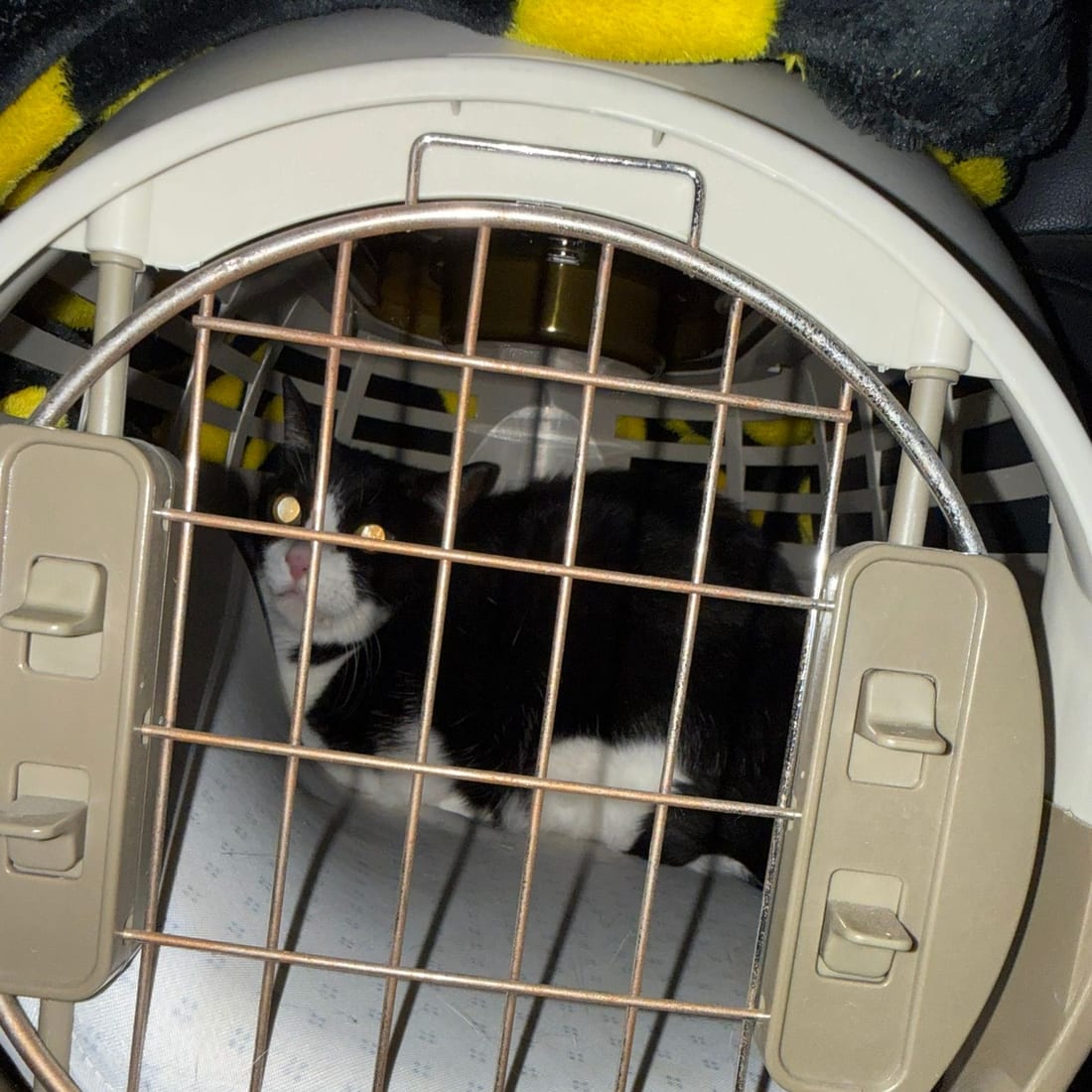
Here’s where we have to be straight with you. We have a photo of Yuja sitting inside the carrier on her own, door open, in the middle of the house. For a cat who spent her first weeks here wedged behind the washing machine, hissing at a phone camera, that’s not nothing.
But “sits inside sometimes” is very different from “loves it.” Yuja goes in on her own terms, briefly, and leaves. Mochi has done the same with an open carrier once or twice. Neither of them treats it as a bed. These are the same two cats who, despite the internet insisting all cats love boxes, mostly don’t care for boxes either.
So the realistic outcome isn’t a cat who adores the carrier. It’s a cat who no longer treats it as a threat. Whether that carries over to vet day, we honestly can’t say. Getting Yuja into it is still hard, because she can barely be lifted at all.
What makes the difference between helping and ignored
Leaving the carrier out does nothing by itself. These are the factors that decide whether it earns its space.
| Factor | Helps | Backfires |
|---|---|---|
| Door | Secured open or removed | Swings or clicks shut while cat is inside |
| Location | Quiet corner the cat already passes | Loud hallway, laundry room, by the vacuum |
| Smell | Familiar blanket or your worn shirt inside | Lingering vet-office or disinfectant smell |
| Routine | Left out permanently | Dragged out only on vet mornings |
| Pressure | Cat enters on their own | You lure, push, or close the door “to test it” |
The single fastest way to ruin months of progress is to close the door once while the cat is inside, “just to see.” They remember. One bad surprise and the carrier is a trap again.
How to introduce it without undoing your progress
You don’t set the carrier down and wait for magic. You make it boring and safe, then stay out of the way. With a sensitive cat, the whole game is removing reasons to be suspicious.
- Put it where they already go. Yuja gravitates to tight spots — the gap between a wall and an appliance, under blankets with just her back feet showing. A carrier placed near her existing comfort zones gets a fairer look than one parked in the open.
- Make the inside smell like home. A blanket they’ve slept on, or a shirt you’ve worn, beats the plastic-and-vet smell every time.
- Leave the door fully open or off. If the door can swing, prop it or remove it. No clicks, no surprises.
- Don’t perform. It’s the same approach we used when Yuja was hiding: don’t chase, don’t hover, just let it exist. The less you make the carrier a Thing, the faster it becomes background.
- Skip the treat bribe if that’s not your cat. Standard advice says toss treats inside to build good feelings. With Yuja that’s a dead end — she eats a new treat once and never again, so buying her trust with treats was never on the table. If your cat is food-motivated, by all means use it. If not, don’t force a method that your cat has already told you doesn’t work.
When leaving it out isn’t the answer
A carrier left out is one tool, not a cure. It won’t help with the parts of a vet trip that happen after the door closes — the car, the waiting room, the exam table. Those are separate battles, and they matter more for a cat that truly panics.
It also won’t override a carrier that’s simply the wrong fit. A model that’s too open, too wobbly, or too hard to load a frightened cat into will cause problems no matter how long it sits in your living room. If vet mornings are a genuine crisis at your house, the design of the carrier and the way you pick it up and move matter at least as much as how long it’s been out — that’s its own subject, and we dug into it in choosing a carrier for a cat that panics.
And some cats will never make peace with it. Six years in, Yuja tolerates the carrier far more than she used to, but tolerate is the right word. We didn’t engineer a cat who loves her carrier. What we got was a carrier she’s less wary of, not an easier way to get her into it.
The honest bottom line
Leave the carrier out. The downside is small — it takes up some floor space — and the upside is real: the carrier stops being an ambush. Just calibrate your expectations. Success here looks like a cat who walks past it without flinching and occasionally sits inside on her own, not a cat who claims it as her favorite bed.
If you get the washing-machine-hider version of that — a brief, voluntary visit now and then — count it as a genuine win. It means the carrier has gone from enemy to neutral, and neutral is exactly what you want when it’s time to go to the vet.
This article is general information from a cat owner, not veterinary advice. Talk to your vet about your cat's specific situation.