Can You Buy a Cat's Trust With Treats?

Sometimes, but not always — and with our pickiest cat, not even a little. Treats work when a cat reliably wants them, because eating something good near you teaches “this person means good things.” If your cat won’t take treats, or loses interest after one taste, you can’t buy trust that way. You build it with routine, calm handling, and not chasing.
That’s the honest short answer. The longer one is more interesting, because we live with one cat treats worked on and one they completely failed on.
Why treats work for some cats
The idea behind treat-based bonding is simple. A cat learns by association. If your hand keeps producing something delicious, your hand becomes a good thing to be near. Over enough repetitions, “near you” starts feeling safe.
Mochi, our tuxedo, is the poster cat for this. She’s food-motivated, endlessly social, and rolls over the second you look at her. A treat from your hand isn’t a negotiation with her — it’s a party. For a cat like Mochi, treats absolutely speed up bonding, and they’re a low-risk way to turn a nervous newcomer into a friend.
So if you’ve got a food-driven cat who’s just shy, treats are one of the best tools you have. The trick is patience: toss the treat a few feet away at first, let the cat come to it on its own, and slowly shrink that distance over days or weeks. Don’t force the hand-feeding step.
Why treats failed completely with our other cat
Here’s where the popular advice fell apart for us.
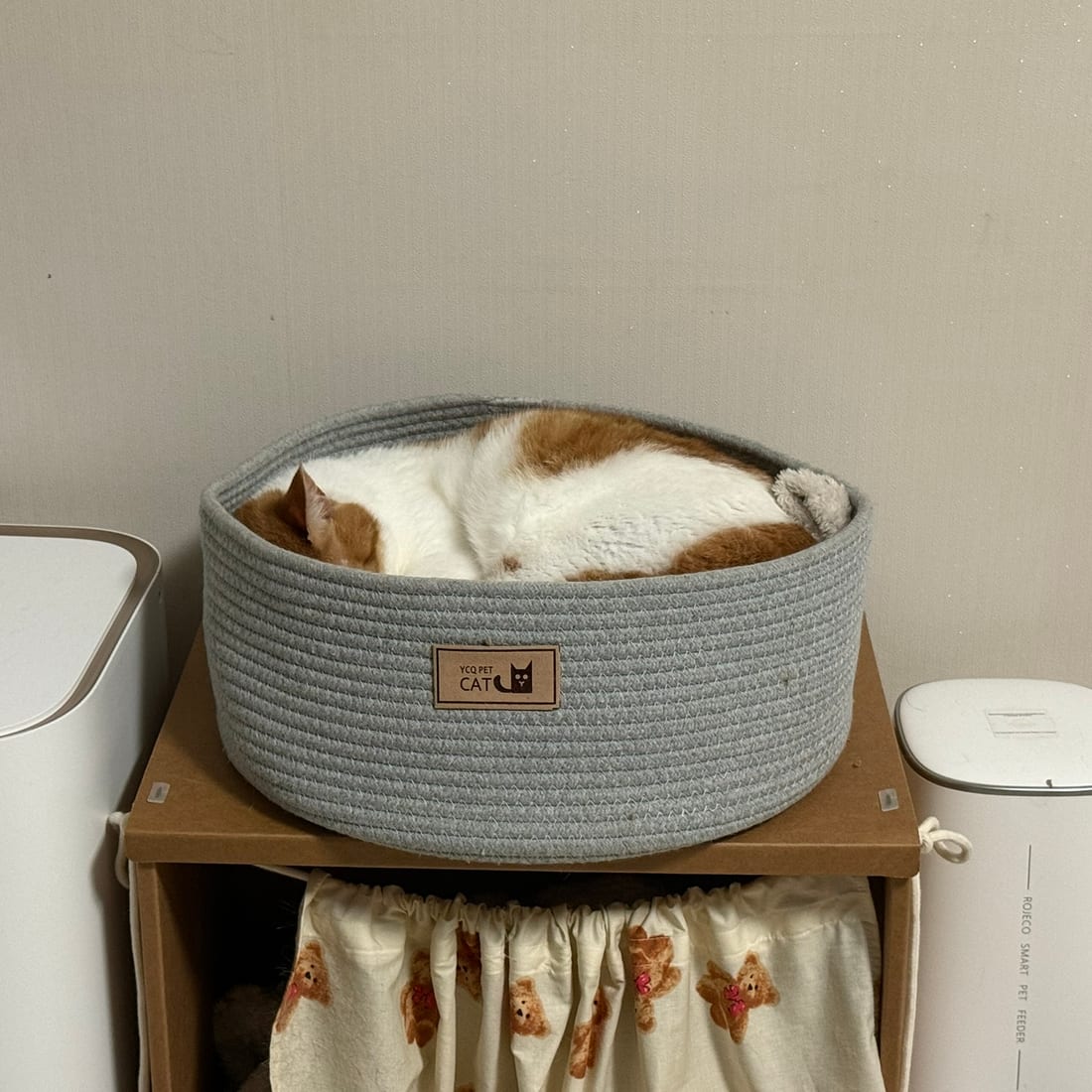
Yuja, our orange-and-white first cat, came to us fearful and stayed hidden behind the washing machine for a little over ten days when she first arrived. Every guide says the same thing: win a scared cat over with treats. We tried. It didn’t take.
The problem is Yuja’s eating is extreme even by picky-cat standards. She’ll eat almost anything once. The first time you offer a new treat, she takes it. Then she never touches that treat again. We’d buy something she seemed to love, and by the second serving she’d act like we were offering her a rock.
That completely breaks the treat-trust loop. The whole method depends on the reward staying rewarding. If the “good thing” only works one time, you can’t repeat the association enough for it to stick. After enough wasted bags, we simply gave up on treats as a trust strategy with her.
What actually built trust when treats didn’t
For Yuja, trust came from the boring stuff, not the tasty stuff. What worked was regular meals delivered without drama, and — this is the big one — not chasing her. Our whole approach came down to one sentence: care for her, and wait.
When she was hiding, we lowered her food and water bowls behind the washing machine with a long tool, because reaching in by hand got us scratched and bitten. We didn’t try to lure her out with anything special. We just kept the food coming and let her decide when to come out. That slow, no-pressure feeding did far more than any treat. If you’re in that stage, how we fed a cat that wouldn’t come out of hiding walks through exactly what we did.
It was slow. It took four years before she’d let us touch her paws, and even now a second touch in a row gets a hiss. But that trust is real, and it wasn’t bought — it was earned by showing up the same calm way every day.
Treats vs. patience: what to reach for
| Situation | Best tool | Why |
|---|---|---|
| Food-motivated cat, just shy | Treats | Fast, reliable positive association |
| Cat that won’t take food from your hand | Toss-and-retreat + routine | Removes pressure, no hand needed |
| Cat that loses interest after one taste | Skip treats, focus on routine | The reward can’t repeat, so it can’t teach |
| Fearful cat still hiding | Calm feeding, no chasing | Safety matters more than snacks |
| Cat that bites when reaching in | Long tool + distance | Protects both of you while building trust |
The mistake people make is treating treats as a rule instead of a tool. If your cat is Mochi, use them — they work beautifully. If your cat is Yuja, don’t waste your money or your patience. Read what actually motivates the cat in front of you.
So, can you buy trust?
Not exactly. You can rent attention with a treat, and for the right cat that rented attention becomes real trust over time. But the trust itself isn’t the treat — it’s the pattern of good, safe, predictable moments the treat helps create. When treats stop working, the pattern is what you’re left standing on.
We proved that the hard way with two cats in the same home, fed by the same hands. One was won over in days with snacks. The other ignored the snacks entirely and came around only after years of quiet consistency. If you want the full arc of that slow version, we laid it out in our six-year timeline of earning a formerly feral cat’s trust.
If treats are working for your cat, wonderful — lean into them. If they’re not, you haven’t failed and neither has your cat. You just have a Yuja. Feed her, don’t chase her, and let time do the part treats can’t.
This article is general information from a cat owner, not veterinary advice. Talk to your vet about your cat's specific situation.