My Cat Fears Plastic Bags But Chews Them Anyway
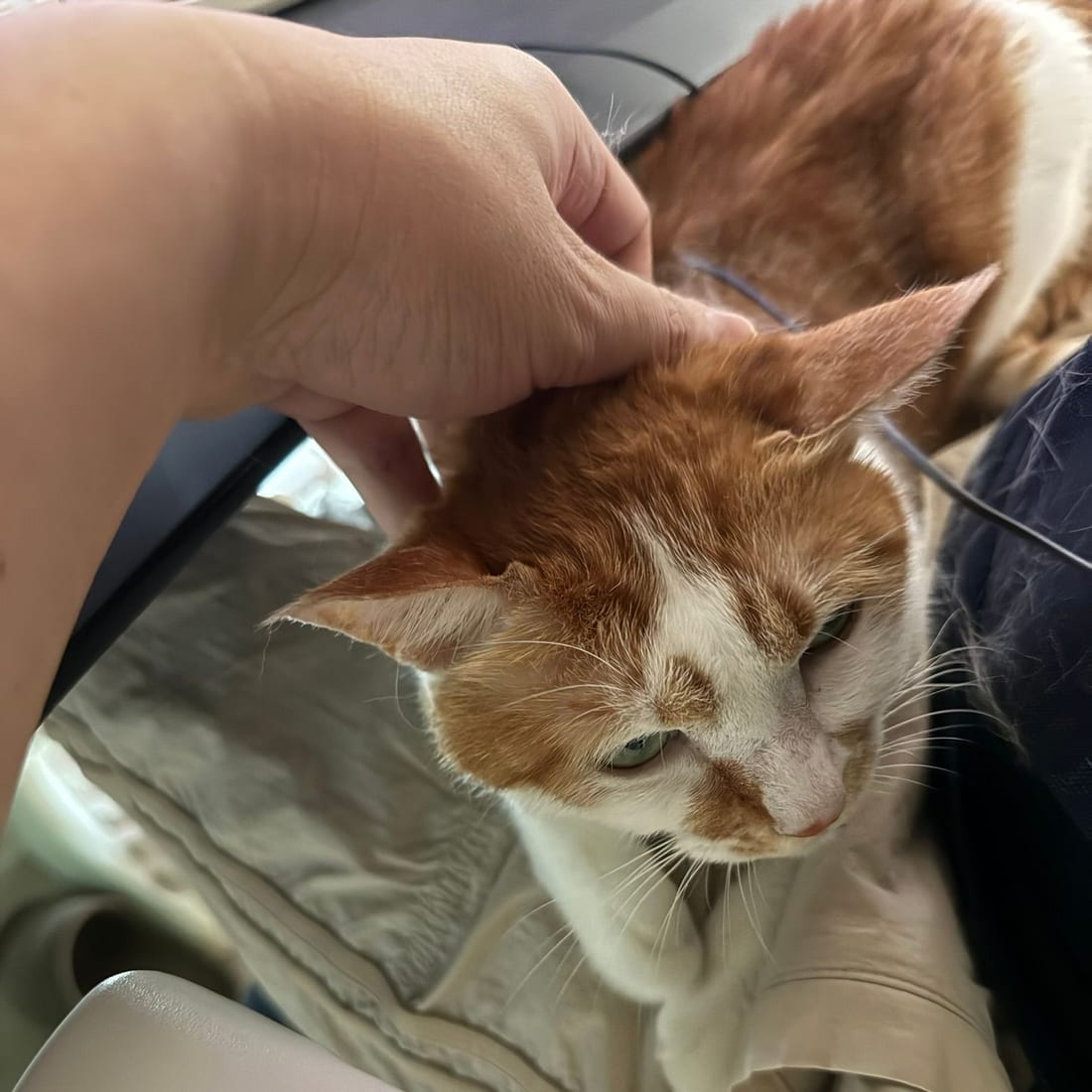
A cat that flinches at a crinkling plastic bag but calmly walks over to chew a still one isn’t broken or confused. For our cat Yuja, the sound and motion of a bag are what trigger fear, not the object itself. When a bag sits quiet on the floor, that trigger disappears — and something else, curiosity or a texture she likes, takes over. We’ve watched this exact contradiction for six years and still can’t fully explain the chewing part.
Why is my cat afraid of the bag but chews it anyway?
The short version: a moving, crinkling bag and a silent, still bag are two different things to your cat, even though they’re the same object to you.
Yuja’s fear is tied to the noise and the approach. When a bag rustles near her, she reacts hard — in her worst years she’d bolt mid-scratch and hide for days. But leave a bag lying still on the floor, walk away, and she’ll eventually come over and start gnawing on it. No panic. Just chewing.
Why the chewing happens at all, we honestly don’t know. Some cats like the crunchy plastic texture, some are drawn to the way it moves against their teeth, and some just investigate anything new with their mouth. Our best guess is that once the scary cue (sound + something coming toward her) is removed, the bag becomes a novel object worth poking at. We can’t confirm it. We just know both things are true at once with the same cat.
What the fear looked like, then and now
Yuja came to us as a formerly street-living cat, rescued and cared for by family before she came to us with her sister Mochi. Some fears she arrived with, and this was one of the strongest.
| Early years | Now (6 years in) | |
|---|---|---|
| Bag rustling nearby | Bit whatever was near her, bolted, hid for days | Stays put, watches, tense but doesn’t run |
| Bag coming close | Full panic | Still dislikes it, backs off |
| Still bag on the floor | Avoided it | Walks over and chews it |
| Recovery time after a scare | Days | Minutes to none |
The rustle used to be the single fastest way to undo a good moment. She’d be sitting happily getting scratched, one crinkle would happen, and she’d bite and disappear. Nothing else in the house flipped her that fast. If your cat reacts to sound the way ours did, we wrote more about that in why plastic bag sounds set some cats off.
The improvement was slow and we didn’t engineer it. She simply lived with us, we stopped putting bags near her, and year by year the panic shrank. Six years later she watches instead of fleeing. That’s real, measurable progress from a cat who once treated the sound like a threat to her life.
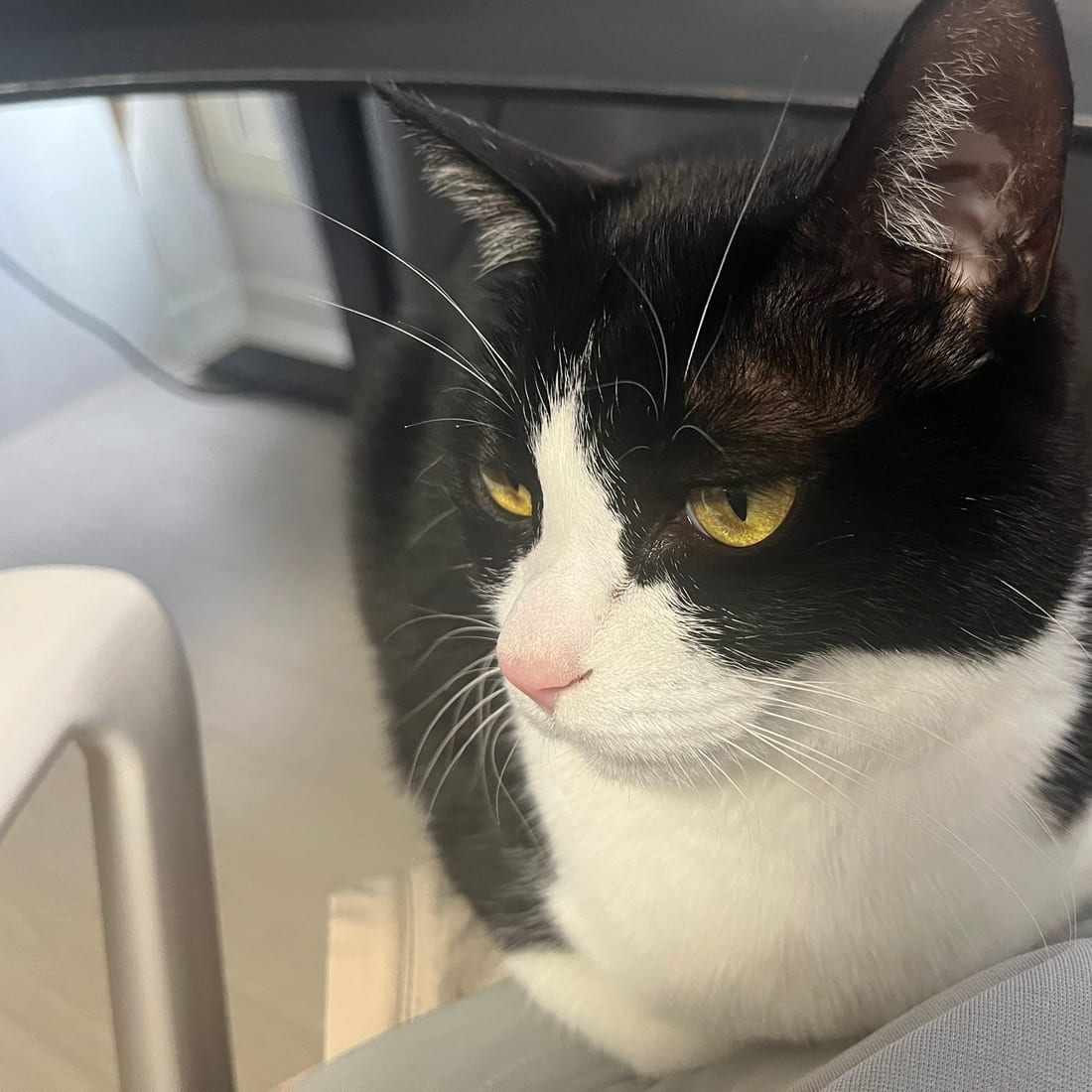
Is it safe to let her chew the bag?
No — and this is the one part of the contradiction we don’t let ride.
A still bag might not scare her, but chewing plastic isn’t harmless. Cats can tear off pieces and swallow them, which can lead to choking or an intestinal blockage. We never leave bags within reach, and we don’t treat “she likes chewing it” as permission. If your cat swallows plastic, or you see straining, repeated vomiting, or a sudden drop in appetite afterward, that’s a call-your-vet situation, not a wait-and-see one.
So the honest position is: understand the behavior, don’t enable it. Fear and safety aren’t the same problem. The fear is hers to work through on her own timeline. The chewing is ours to prevent by keeping bags away.
How we handle bags in a house with a scared cat
The default rule is simple: we don’t bring plastic bags near Yuja. Groceries get unpacked away from her, and bags go straight into a closed spot she can’t get into. Removing the trigger removed most of the problem.
But sometimes a bag is unavoidable — cleaning the litter box, taking out trash. When that happens we do one of two things:
- Talk to her while we hold it. We say her name and keep a steady voice going so she connects the scary object to us, someone she trusts, instead of an unknown threat. The narration seems to matter more than the words.
- Act like we don’t see her at all. No eye contact, no approaching, just handle the bag and move on. When we don’t make it about her, she stays much calmer than when we fuss or try to reassure her by coming closer.
Which one works depends on the day. Neither is a trick that “fixes” the fear — they’re just ways to get through a necessary task without setting her back.
One thing we’ve never done is force it. We don’t wave a bag at her to “desensitize” her, and we don’t drag her near one. With a nervous rescue, pressure moves the timeline backward, not forward. The single most useful thing we did was stop creating the scary moments and let her set the pace, which is the same pattern we’ve seen across six years of what does and doesn’t work with a formerly feral cat.
What to take from a contradictory cat
If your cat panics at plastic sounds but chews still bags, you’re not misreading her. You’re watching a fear that’s tied to one specific trigger — noise and motion — while the object itself, held quiet, reads as harmless or even interesting.
Treat the two halves separately. Give the fear room and time; ours softened dramatically over years with zero forced exposure. But don’t let the chewing slide, because that part carries a real safety risk no amount of understanding cancels out. Keep bags out of reach, redirect to a safe toy if she wants something to bite, and let the rest be her own slow work.
Six years in, Yuja still doesn’t love a bag near her. But she doesn’t run anymore, and that quiet shift — from bolting to just watching — is the kind of progress a scared cat gives you on her own schedule, not yours.
This article is general information from a cat owner, not veterinary advice. Talk to your vet about your cat's specific situation.