Living With a Cat That's Scared of Every Sound
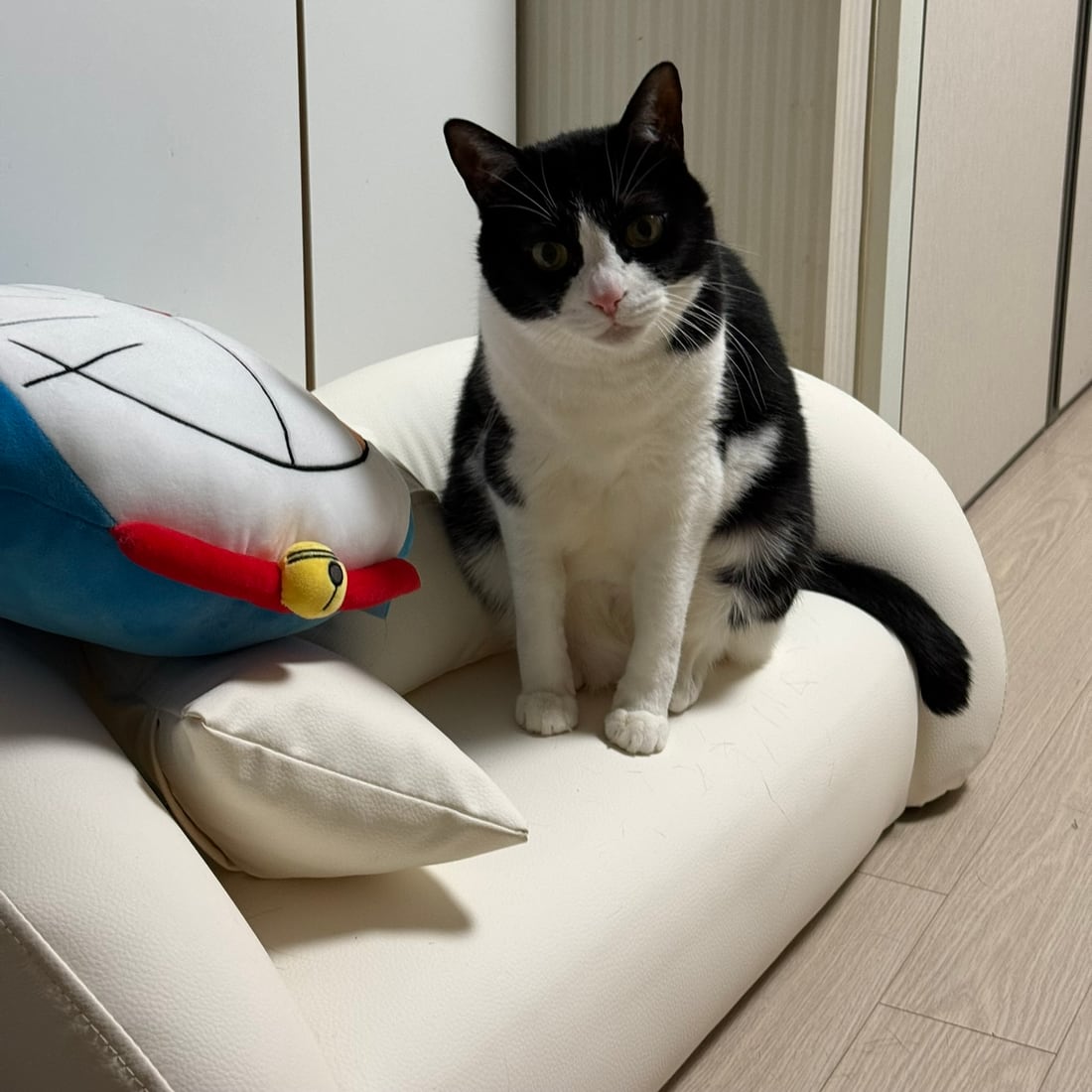
If you live with a cat that flinches at the microwave, the doorbell, a dropped spoon, and the crinkle of a grocery bag, the most useful thing you can do is stop trying to make her brave and start making her world quieter and more predictable. Reduce the noise you can control, give her escape routes she trusts, and let her set the pace. That combination does more than any single trick.
We’ve done this for six years with Yuja, our orange-and-white rescue who reacts to plastic bags, strangers, and sudden movement like they’re threats. She’s the sensitive one. Her sister Mochi, meanwhile, will roll over at your feet during a vacuum session. Same house, same people, opposite nervous systems. So this isn’t theory — it’s what actually worked with a cat who does not calm down on command.
Why is my cat scared of every sound?
For a lot of rescues, it comes down to two things: temperament and history. Some cats are simply wired more reactive, and outdoor life may have taught them that sudden sounds mean danger. You often can’t separate the two, and honestly you don’t need to. The fix looks the same either way.
Yuja is a good example of how strange this can get. She hated plastic-bag sounds so much that a bag crinkle would make her bite and bolt mid-scratch — the one thing that could flip a good mood instantly. We have a guess about why (maybe a bad association from her outdoor days), but we have no way of knowing. What we do know is that guessing the cause didn’t change our day-to-day. Managing the noise did. We wrote more about that one specific fear in why plastic-bag sounds terrify some cats.
One caveat worth naming: if a cat that used to be steady suddenly startles at everything, hides more, or stops eating, that’s a new change, not a personality — and it’s worth a vet visit to rule out pain or illness.
Making a home a sound-sensitive cat can relax in
The goal isn’t a silent house. It’s a house with fewer surprises and more places to retreat. Here’s how we think about the changes, sorted by how much they actually move the needle.
| Change | Effort | How much it helps |
|---|---|---|
| Give 2–3 reliable hiding/high spots | Low | High |
| Cut sudden noises you control (bag rustling, dropped items) | Low | High |
| Keep routines predictable (feeding, cleaning times) | Low | Medium-high |
| Warn her with your voice before noisy chores | Low | Medium |
| Soft background sound to mask outside noise | Low | Low-medium |
| Calming diffusers | Low-medium | Varies (maybe) |
The two low-effort, high-payoff ones are hiding spots and cutting the noise you personally make. A cat that knows she can always get to a safe perch recovers from a scare much faster than one who feels cornered.
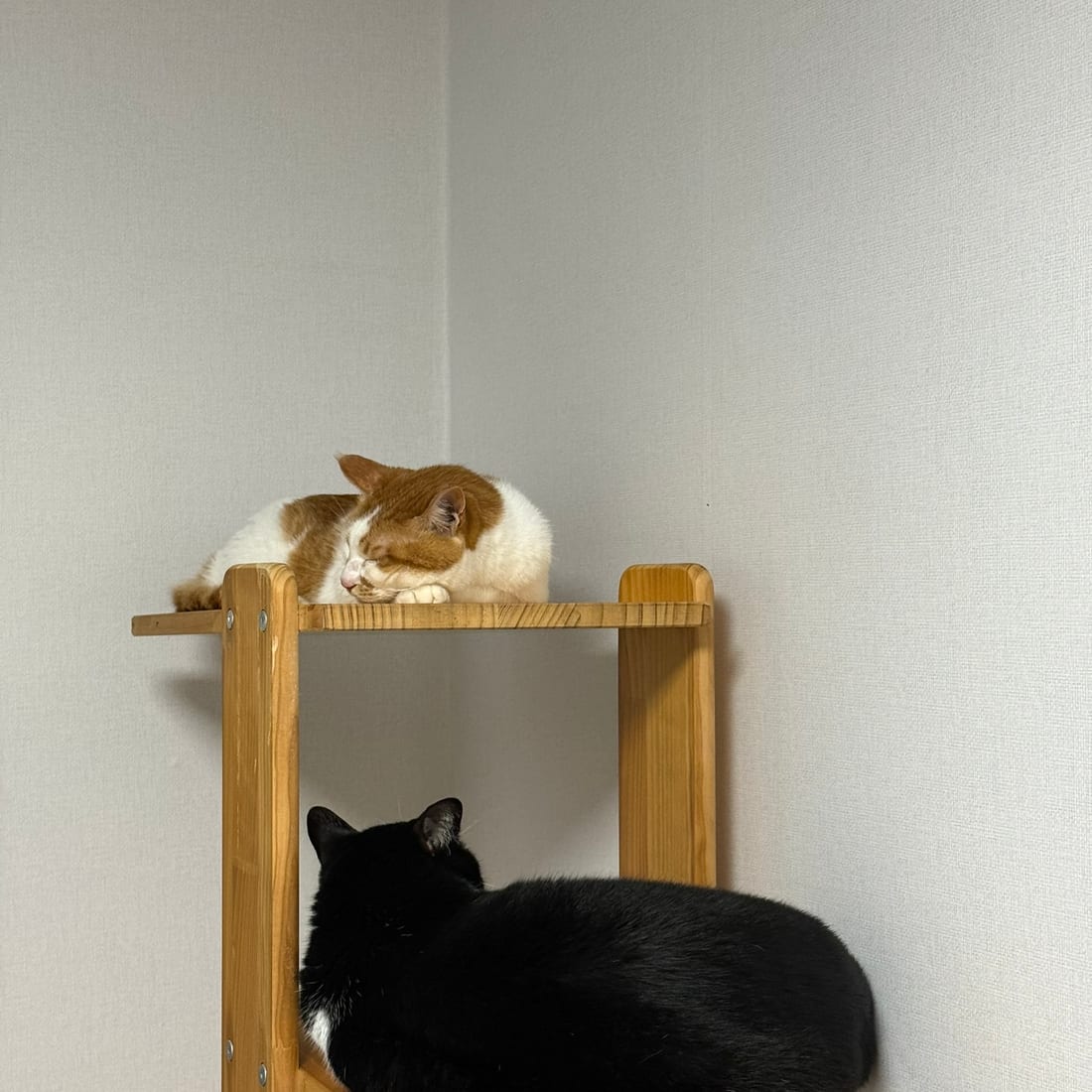
Give her exits, not just a bed
The single most important thing for a jumpy cat is a route away from whatever scared her. That means a couple of go-to spots she can reach fast — a high shelf, the top of a cabinet, a spot behind furniture — and a clear path to get there without crossing the thing she’s afraid of.
Yuja spent about two weeks behind our washing machine when she first arrived. When she finally moved, it was to the top of the fridge — up high, above the traffic. That’s the pattern with nervous cats: they want elevation and a wall at their back. We didn’t force her out; we just let her keep trading up to better spots as she got braver.
Whatever you do, don’t drag her out of a hiding place to “prove” it’s safe. That teaches her the safe spot isn’t safe. We’ve written about exactly why that backfires.
Handling the noises you can’t avoid
You can’t stop vacuuming or taking out the trash. What you can do is take the surprise out of it. Two tricks we actually use with Yuja when we have to handle something she hates, like a plastic bag during litter cleanup:
- Announce yourself. We say her name and keep talking while we do the noisy thing, so she connects the sound to us instead of a random threat. Hearing a familiar voice steady the whole time seems to blunt the panic.
- Act like she’s not there. The opposite approach also works — no eye contact, no fuss, just do the chore and leave. For some cats, being watched during a scary moment makes it worse.
Which one to use depends on the cat and the day. The point is the same: predictability lowers fear. A scary noise that comes with warning and context is far less scary than one out of nowhere.
Here’s the honest, slightly weird part. Even after six years, Yuja still dislikes a plastic bag coming toward her — but if we leave one sitting still, she’ll walk up and chew on it herself. Feared and yet approached. We don’t fully understand it, and that’s fine. You don’t have to solve every quirk to live well with it.
What actually changes over six years — and what doesn’t
Progress is real, but it’s uneven and slow. Yuja no longer runs from plastic-bag sounds; she stands and watches, wary but planted. That’s a genuine six-year improvement. Other things haven’t budged — she still hates a bag getting close, still reacts to strangers, still won’t tolerate two paw touches in a row.
So set your expectations accordingly:
- Some triggers fade with time and a calm environment. You may not see it for months, and you can’t rush it.
- Some stay for life. Managing them beats fighting them.
- Sudden setbacks happen after a move, a loud event, or a stressful vet trip. That’s normal; go back to basics.
We didn’t use any clever technique to get where we are. The whole strategy was: don’t chase, take care of her, and wait. For a sound-sensitive cat, a quiet, predictable home plus patience is most of the work. The rest is accepting that “better” is a real, worthwhile outcome, even when “cured” never comes.
If you also want the day-one framing for a brand-new nervous arrival, our guide to setting up a safe room for a new rescue covers where to start before any of this even applies.
This article is general information from a cat owner, not veterinary advice. Talk to your vet about your cat's specific situation.