How to Make Vet Trips Easier for a Cat That Panics
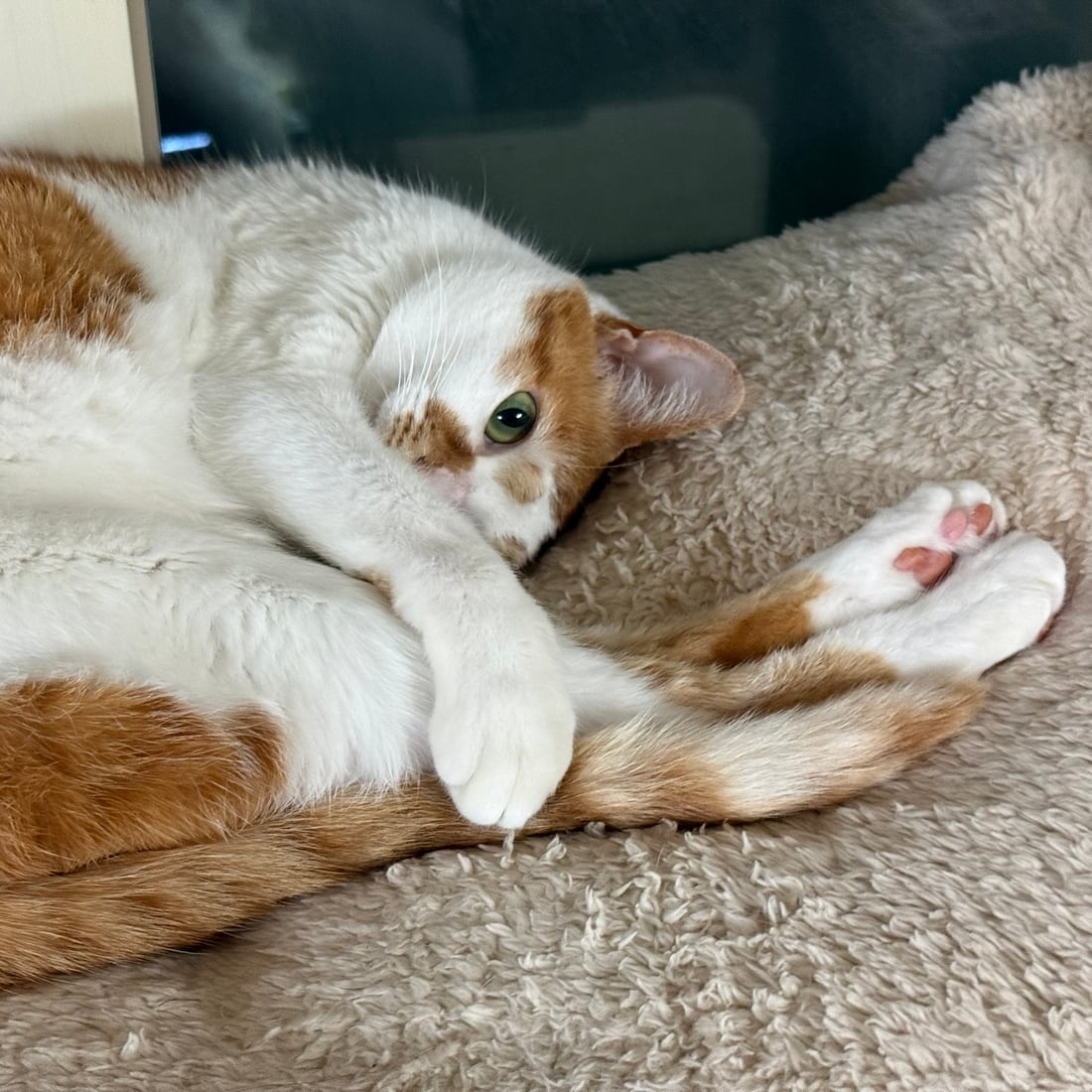
The single biggest thing that makes a vet trip less awful for a panicky cat is prep that starts days before, not the morning of. Leave the carrier out as furniture, get your cat used to it with treats and meals, cover it with a towel for the drive, and keep your own movements slow and quiet. The vet visit itself is the last 10% — most of the fear is built or defused before you leave the house.
We have one cat, Yuja, who treats a vet day like the end of the world. She’s a formerly stray, sensitive cat who hisses, bites, and disappears behind the washing machine when anything unfamiliar happens. So none of this is theory for us. Here’s what actually moves the needle.
Why is my cat so terrified of the vet in the first place?
For most cats it isn’t the vet — it’s everything leading up to the vet. The carrier only comes out once a year, so it means bad things. The car is loud and moving. The waiting room smells like a hundred stressed animals. Then a stranger touches every sensitive spot at once.
Yuja’s baseline is already jumpy. She reacts to plastic bag sounds and other sudden noises, so a beeping clinic full of dogs is sensory overload. Understanding that the panic is a stack of small stressors — not one big scary event — is what lets you take it apart piece by piece.
The carrier is the whole battle
If your cat panics at the sight of the carrier, you’ve lost before you’ve started. The fix is boring but it works: the carrier lives out in the open, not in a closet.
Leave it in a room your cat already uses. Prop the door open. Put a soft towel inside — ideally one that smells like you or your cat. Toss a treat in now and then. The goal is for the carrier to become a napping spot, not an ambush.
A few things that made the difference for us:
| What we did | Why it helped |
|---|---|
| Left the carrier out year-round | Removed the “carrier = vet” panic trigger |
| Used a top-loading hard carrier | You lower a scared cat in instead of shoving her through a front door |
| Kept the same towel inside | Familiar scent lowers the stress baseline |
| Fed treats near it, then in it | Builds a positive association over weeks |
We go deeper on this in our guide to choosing a carrier for a cat that panics, because the wrong carrier can undo everything else. Front-loading, tight-mouthed carriers are miserable for a cat who braces every leg against the opening.
How do I get a panicking cat into the carrier without a fight?
Don’t chase. Chasing teaches your cat that the carrier means being grabbed. With Yuja, cornering her turns a five-minute job into a bleeding-hands, three-days-hiding disaster.
What works better:
- Set the carrier up before your cat notices anything is different. Towel in, door open or top off, sitting on the floor.
- Use a top-load or a carrier where the top half unclips. Lower her in butt-first and close it before she registers what happened.
- If she’s already hiding, wait. A cat wedged behind the couch is not coming out for a wrestling match. Give it 20 minutes, act normal, then try when she resettles.
- Wrap-and-lower for the truly frantic cat. A towel burrito over the shoulders reduces flailing and protects your arms. This is where our biting cat lives — a towel is non-negotiable.
The morning of, we stop putting food down a few hours ahead if the appointment needs an empty stomach or she’s prone to car nausea. Check with your clinic first, because it depends on the visit.
Making the car and waiting room less overwhelming
Once she’s in, the job is to shrink her world down to something manageable.
Cover the carrier with a towel. This is the cheapest, most effective trick we use. Blocking the view of passing cars, strangers, and other pets in the lobby keeps Yuja quieter than any spray ever has. She can’t panic at what she can’t see.
Buckle the carrier in and drive gently. No sliding around the back seat, no hard corners. Talk to her in a normal, low voice — silence and then sudden noise is worse than steady, boring background sound.
In the waiting room, get off the floor. Set the covered carrier on your lap or a chair, away from the dog nose poking at the door. If your clinic has a cat-only room or a quiet corner, ask for it.
Ask about a low-stress handling clinic. Some vets are trained to do exams with minimal restraint, treats, and slow movements. It’s worth calling around. A vet who lets a fearful cat stay in the bottom half of the carrier during part of the exam is worth switching for.
What actually calms our fear-first cat — and what doesn’t
Honest limits first: after six years, Yuja still hates the vet. We haven’t turned her into an easy patient, and I won’t pretend a towel and some treats fixed a cat who can’t have her nails trimmed at home. What we’ve done is lower the ceiling on how bad it gets.
Here’s our real scorecard:
| Thing | Did it help Yuja? |
|---|---|
| Carrier left out all year | Yes — biggest single improvement |
| Towel over the carrier | Yes — noticeably quieter |
| Familiar-smelling towel inside | Yes — she settles faster |
| Pheromone spray on the towel | Maybe — hard to tell, didn’t hurt |
| High-value treats at the clinic | No — too scared to eat there |
| Trying to pet her calm | No — over-handling makes her bite |
That last one matters. Yuja is a cat who bites when she’s petted too long even on a good day. At the vet, reaching in to soothe her reads as another threat. The kindest thing is often to leave her alone under the cover and let the vet work quickly.
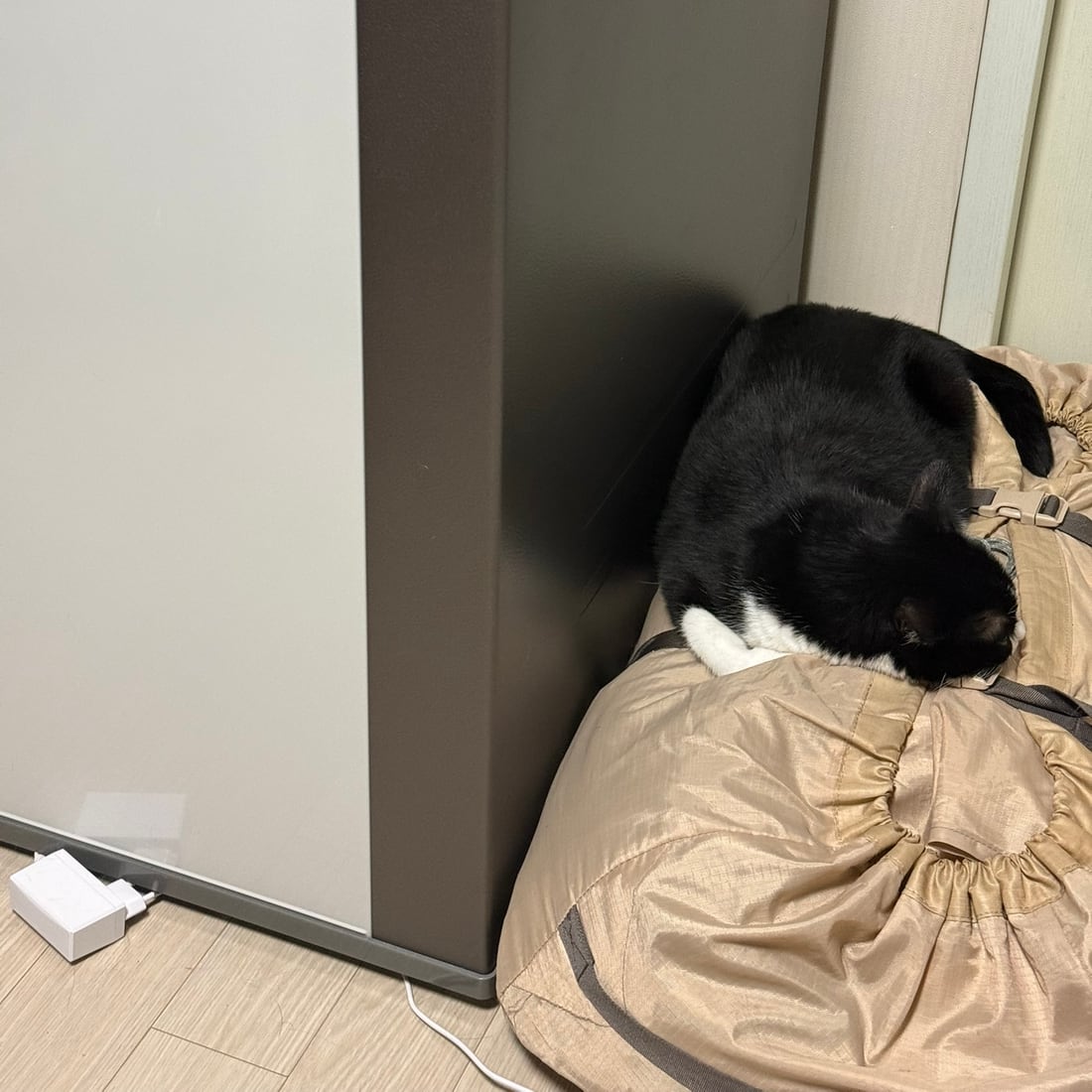
Our other cat, Mochi, is the opposite — a rolls-over-for-anyone tuxedo who’d probably let the vet trim her nails while she purrs. So I know firsthand this isn’t about doing everything right. Some cats are just wired for panic, and the goal isn’t a happy vet cat. It’s a shorter, quieter, less traumatic 30 minutes for a cat who was never going to enjoy it.
If your cat’s fear seems brand new — a normally calm cat who suddenly panics, hides, or hisses at handling — that can point to pain rather than nerves, and it’s worth a mention to your vet. But for a cat who’s always been anxious, prep is the lever, and it’s mostly in your hands before you leave the house.
This article is general information from a cat owner, not veterinary advice. Talk to your vet about your cat's specific situation.