Grooming Gloves for Cats That Bite: What Actually Matters
If your cat bites, a grooming glove will not save your hand — most are thin silicone made for pulling loose fur, and a real bite goes right through them. What they actually do well is feel like a hand instead of a tool, so a suspicious cat lets you touch her longer. Pick based on that, not on “bite-proof” marketing.
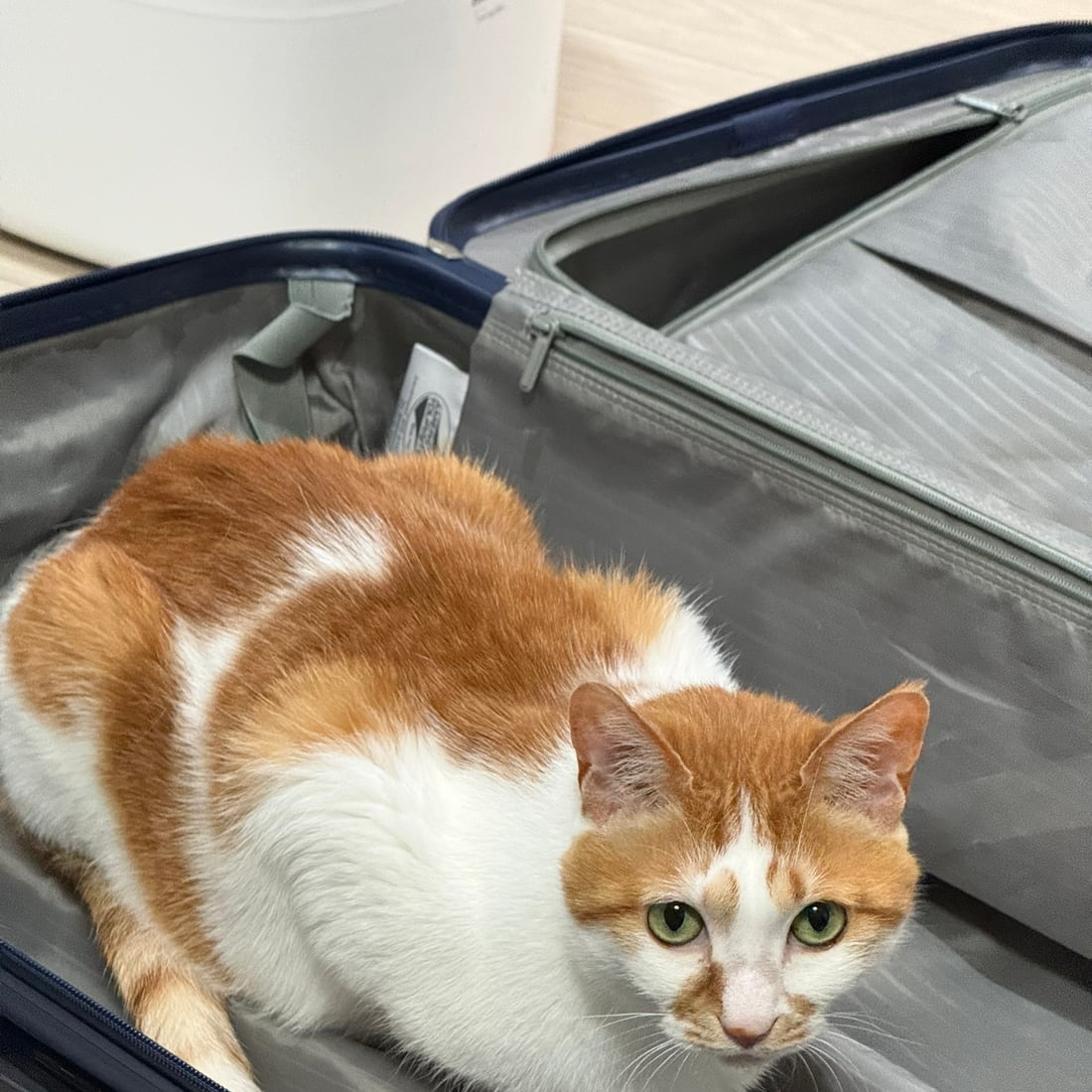
I say this as someone six years into living with Yuja, an orange-and-white rescue who still hisses when I trim her nails and once bit me over a single brush against her paw fur. I’ve thought hard about what a glove can and can’t do for a cat like her.
What a grooming glove is actually for
Grooming gloves are shedding tools. The silicone or rubber nubs on the palm grab loose undercoat when you stroke your cat, and the fur comes away on the glove instead of on your couch. That’s the whole job.
They are not protective gear. The material is thin and flexible so your hand moves naturally, which is exactly why teeth pass straight through. If someone sells you a “grooming glove” as bite protection, they’re selling you the wrong thing.
So there are two very different problems people are trying to solve, and they need different answers:
| What you actually want | What to reach for |
|---|---|
| Remove loose fur, calm a cat who hates brushes | Standard silicone grooming glove |
| Protect your skin while handling a biter | Thick leather or padded animal-handling gloves |
| Both at once | You won’t get both — thick gloves can’t groom, thin gloves can’t protect |
Decide which problem is bigger for you before you spend money. Most people who search “grooming gloves for cats that bite” actually have the second problem and buy the first thing.
Why a glove sometimes works when a brush doesn’t
A brush is a foreign object approaching a nervous cat’s body. A gloved hand is still, more or less, a hand. For a cat who’s touch-averse but not hand-averse, that difference matters.
With Yuja, it took four years just to get to where I could rest a hand on her paw without her biting and disappearing behind the washing machine for three days. A brush was never going to happen in that window — but a hand she’d already learned to trust, wearing a textured glove, is a much easier sell. The glove reads as petting that happens to collect fur.
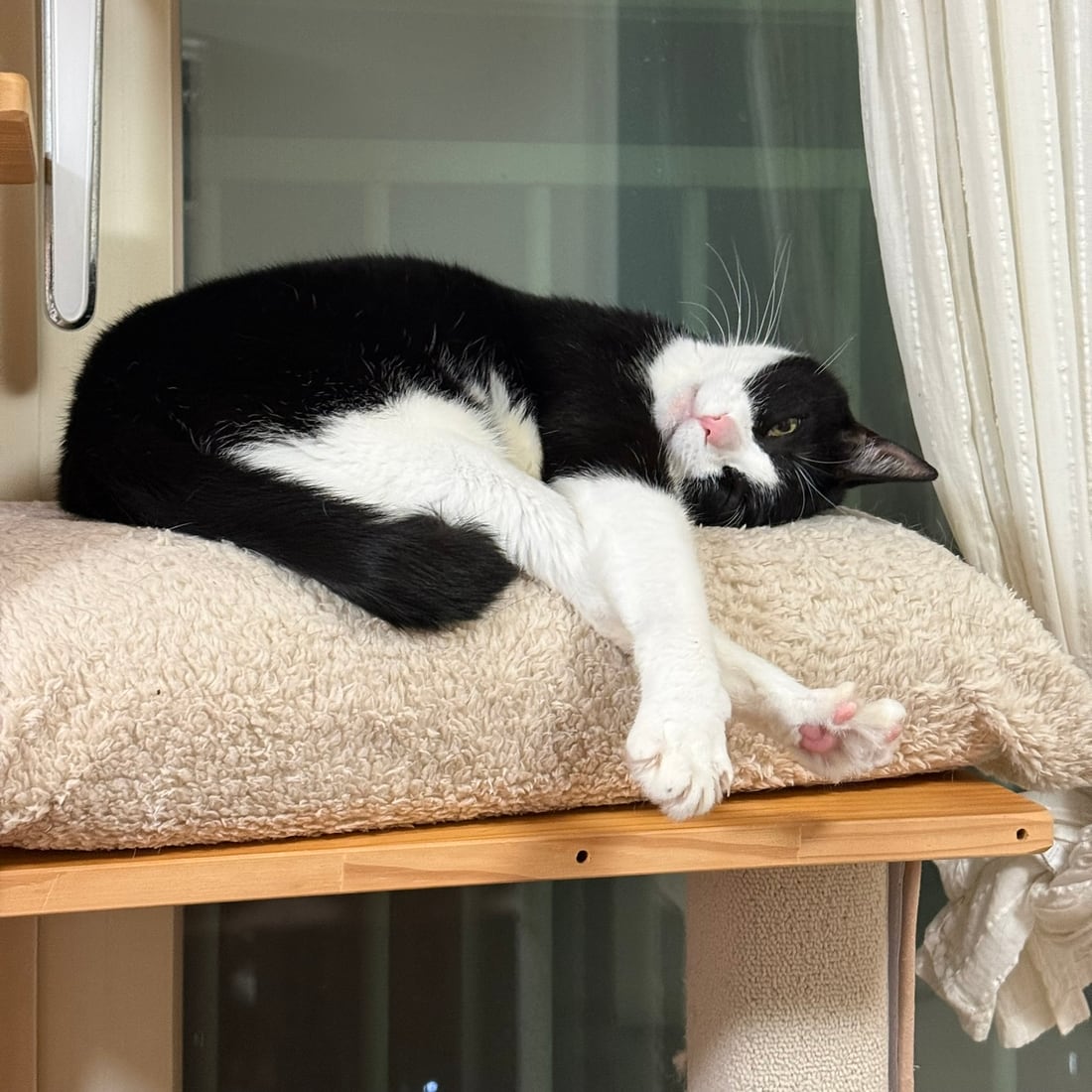
Mochi, our tuxedo, is the opposite. She flops over and rolls the second you touch her, and she’d let you groom her with anything. For a cat like Mochi the glove is a convenience. For a cat like Yuja it’s a diplomacy tool.
If your cat is more Yuja than Mochi, the slow-trust approach matters more than the gear. I wrote out the whole six-year timeline of earning a formerly feral cat’s trust if you’re at the start of that.
What actually matters when you pick one
Ignore the fur-clearing claims for a second. For a cat that bites, these are the things that change your day-to-day:
- Fit at the wrist. A loose glove slides when your cat twists, and a sliding glove is a glove that comes off mid-groom. Look for an adjustable strap or a snug cuff.
- Nub firmness. Softer nubs feel more like petting and spook a nervous cat less. Firm, tall nubs pull more fur but also pull skin if your cat is thin or sensitive — that can trigger a bite.
- How much of your hand it leaves free. You want to feel where your cat’s body tenses so you can stop before the bite, not after. Bulky gloves blind you to those signals.
- Washability. Fur mats onto the palm fast. If you can’t rinse it clean under the tap, you’ll stop using it.
- Left-and-right or one-size. Most come as a pair. If you only ever groom one-handed while your other hand offers a treat, you only need one.
You can find decent silicone pairs at Chewy, Petco, or Target for under $15. There’s no reason to overspend — the expensive ones aren’t more bite-resistant, they’re just prettier.
The honest limits
Here’s what a glove will not fix.
It won’t let you trim nails. Gloves don’t immobilize a paw, and the thick protective kind kills the finger control you need for clippers. If nails are the real fight, the glove is the wrong tool — a burrito wrap and a fast two-nail approach does far more.
It won’t turn a bite risk into a safe cat. A glove that “feels like petting” also means your cat may tolerate longer sessions before she reaches her limit — and then bite anyway when she does. Watch for the same warnings you’d watch for with bare hands: tail flicking, ears pinning, skin rippling, a sudden stillness. Yuja will let me touch a paw, but two strokes in a row is her ceiling. A glove doesn’t raise that ceiling; it just makes the first stroke easier.
And it won’t work if your cat hates hands, not just tools. Some cats have a bite that’s about the hand itself. A glove doesn’t help there and may make things worse by trapping fur and heat against skin she wants left alone.
A realistic way to use one
If you want to try a glove with a biter, go slow, the same way you’d introduce any touch:
- Let her sniff the glove on a flat surface first — no hand inside. New objects are their own trigger; Yuja panics at plastic-bag sounds, so a strange rubber thing gets investigated before it gets used.
- Wear it during normal petting she already accepts. Don’t groom yet. Just let the texture become normal.
- Add one short stroke along the back, where cats accept touch most. Stop while she still likes it.
- Build from there over days or weeks, never in one session.
The goal isn’t a fully groomed cat on day one. It’s a cat who doesn’t associate the glove with getting cornered. That association is the whole game with a biter, and it’s slow to build and fast to break.
For us, the glove is a supporting player, not the star. The star is patience — and knowing, six years in, that some cats simply let you do less than others, and that’s fine.
This article is general information from a cat owner, not veterinary advice. Talk to your vet about your cat's specific situation.