Do Cats Get Jealous of Each Other? What It Really Looks Like
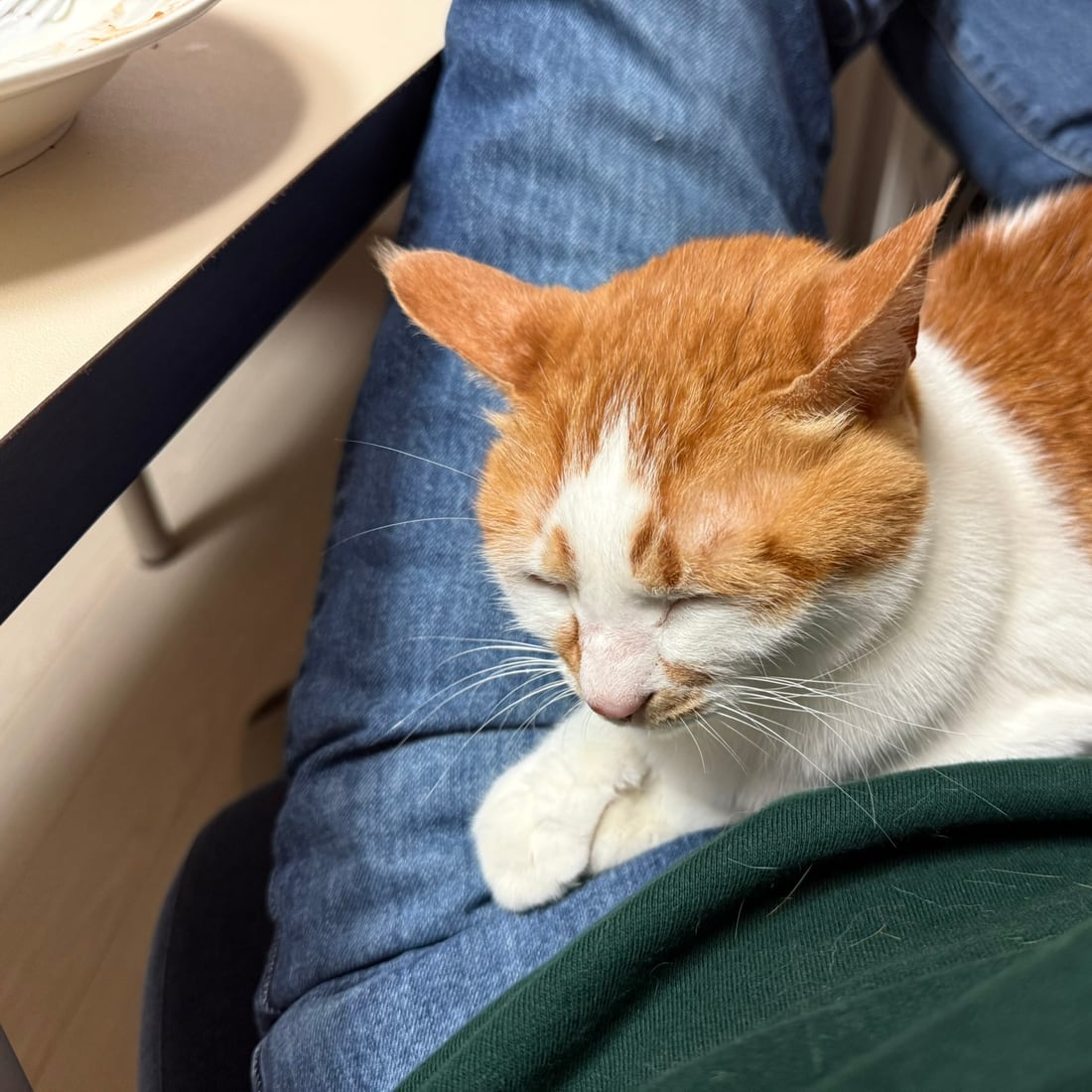
Cats don’t feel jealousy the way we do, but they absolutely compete. What looks like a jealous cat is usually a cat reacting to competition over something it values — your lap, the good sunny spot, the food bowl, the doorway. It’s about access, not resentment. Once you see it that way, the behavior makes a lot more sense.
That distinction matters because it changes what you do about it. You can’t reason a cat out of hurt feelings. But you can manage who gets access to what, and that’s where the real fix lives.
What does cat “jealousy” actually look like?
The classic signs show up around resources and attention. The moment you start petting one cat, the other appears out of nowhere and wedges in. Or one cat plops down directly on top of the thing you were using — your laptop, your book, the other cat’s favorite blanket.
Here’s what we see with Yuja and Mochi. Mochi is the affectionate one; a hand near her and she’s rolling over asking for scratches. But if I sit down and start petting Mochi, Yuja will sometimes stalk over and stare, or bat at Mochi until she moves off. Yuja doesn’t even want that much petting herself. She just doesn’t want Mochi getting first claim on the attention while she’s in the room.
Common “jealous” behaviors:
| Behavior | What it usually means |
|---|---|
| Pushing in when you pet the other cat | Competing for your attention as a resource |
| Sitting on your keyboard/book | Wants attention redirected to them |
| Blocking a doorway or hallway | Controlling movement and access |
| Guarding the food bowl | Resource guarding, not spite |
| Sudden swatting when the other approaches | Warning the other cat off “their” thing |
| Peeing outside the box after a change | Stress signal — worth a vet check if it’s new |
That last one is worth flagging: a cat that suddenly stops using the litter box or changes eating habits could be sick, not just jealous. If a normally steady cat’s routine shifts overnight, get a vet to rule out a medical cause before you chalk it up to feline drama.
Why does one of my cats always butt in?
Usually it’s a confidence mismatch. One cat is bolder and claims resources first; the other either backs off or pushes back. It’s not that the pushy cat loves you more — it’s that they’ve learned barging in works.
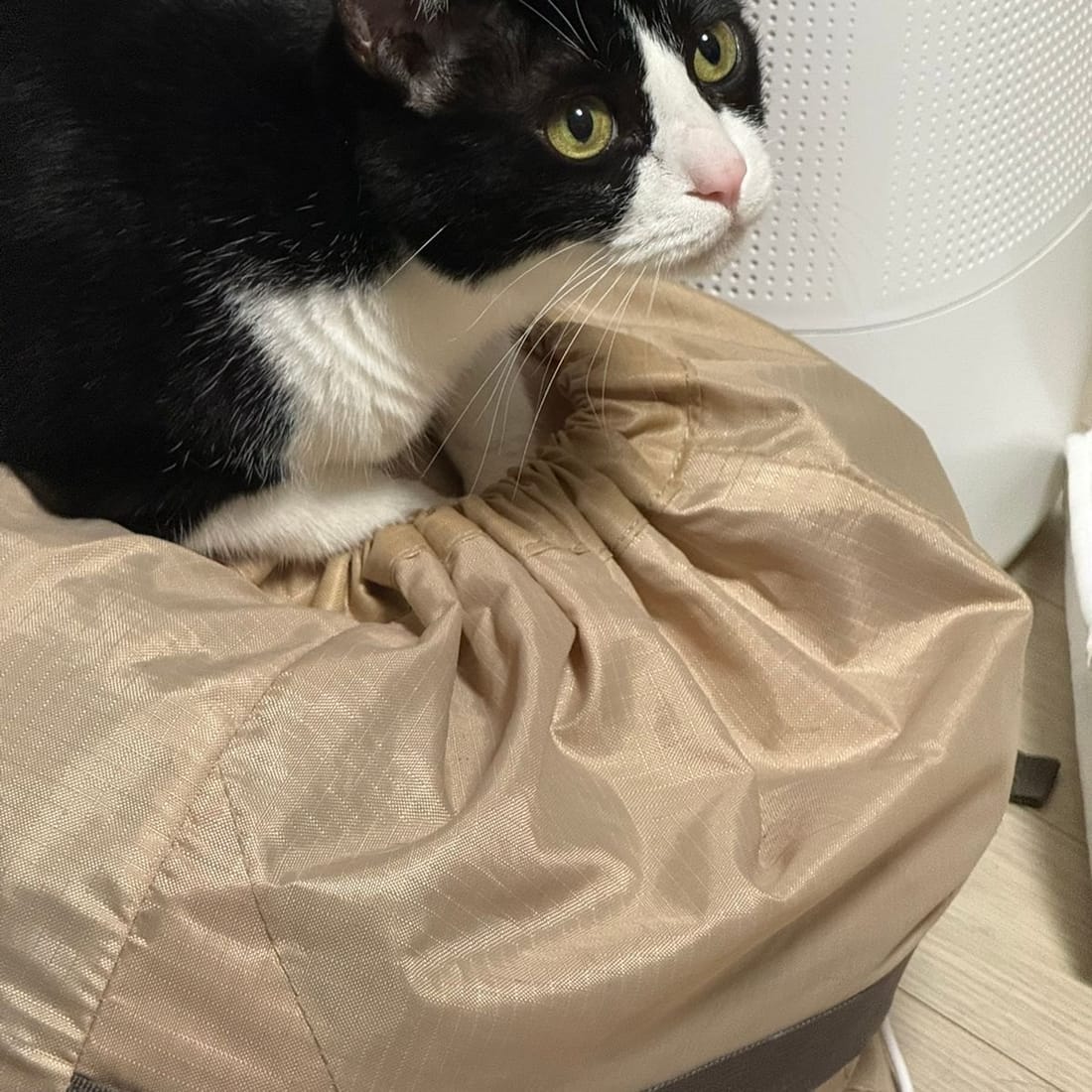
In our house Yuja is the anxious one and, paradoxically, also the one who controls the space. She’s the classic tsundere: she wants attention but sets the terms, and she doesn’t like Mochi getting there first. Mochi, the easygoing tuxedo, mostly just gets out of the way. If you’ve noticed one cat consistently pushing the other around, the same dynamic drives a lot of what looks like jealousy — it’s one cat managing access to things she values.
The trigger is almost always scarcity, real or perceived. If there’s one warm spot, one lap, one bowl in the open, cats will jockey for it. Reduce the scarcity and you reduce the competition.
How do I stop the jealous behavior?
You don’t lecture the cat — you rearrange the resources. The goal is to make the good stuff plentiful and predictable so nobody has to fight for it.
Duplicate the resources, and spread them out. Two food stations, two water bowls, extra beds, more than one perch. The rule of thumb for litter boxes is one per cat plus one, placed in separate areas so one cat can’t guard all of them.
Give each cat guaranteed one-on-one time. Five minutes of solo attention on a schedule beats a free-for-all. When the anxious cat knows her turn is coming, she’s less frantic about interrupting yours.
Feed them apart if food is the flashpoint. A cat that guards or steals food creates constant low-grade tension. We had to work through this ourselves — separate feeding spots and a bit of supervision made a real difference. If one of yours inhales food and the other picks, our notes on stopping one cat from stealing the picky cat’s food walk through what actually worked.
Don’t punish the “jealous” cat. Scolding raises the stress that’s driving the behavior in the first place. Redirect instead — toss a toy, offer a scratch elsewhere, break up the standoff without making a scene.
Reward calm coexistence. When both cats are relaxed in the same room, that’s the moment for treats and quiet praise. You’re teaching them that good things happen when they share space peacefully.
Does it ever fully go away?
Mostly it mellows, but the underlying pecking order tends to stay. After six years, Yuja is still the one who runs the household and Mochi still gives way. The difference now is that it’s calm. Yuja no longer feels the need to police every interaction, and Mochi has learned to read her sister’s mood and step aside before it escalates.
Age helps. So does routine. A predictable day — meals at the same times, attention on a rhythm, resources always available — lowers the sense of competition that fuels the flare-ups. What used to be daily standoffs became occasional grumbles.
What didn’t work was hoping they’d sort it out on their own or expecting them to become best friends. Some cats coexist politely without ever cuddling, and that’s a perfectly good outcome. If your two have very different personalities, that gap alone can look like jealousy when it’s really just two cats with opposite temperaments sharing a home.
The short version
Cats compete; they don’t hold grudges. When your cat shoves in during a petting session or guards a bowl, read it as “I want access to that,” not “I’m hurt that you love her more.” Fix it by making resources plentiful, keeping a predictable routine, and giving each cat their own guaranteed attention.
You won’t erase the hierarchy — one cat usually stays the boss. But you can take the heat out of it, and a house with two cats who ignore each other peacefully is a genuine win. Ours squabble far less than they did in year one, and most of the credit goes to boring, reliable structure rather than any clever trick.
This article is general information from a cat owner, not veterinary advice. Talk to your vet about your cat's specific situation.