Why Does My Cat Knock Things Off Tables?
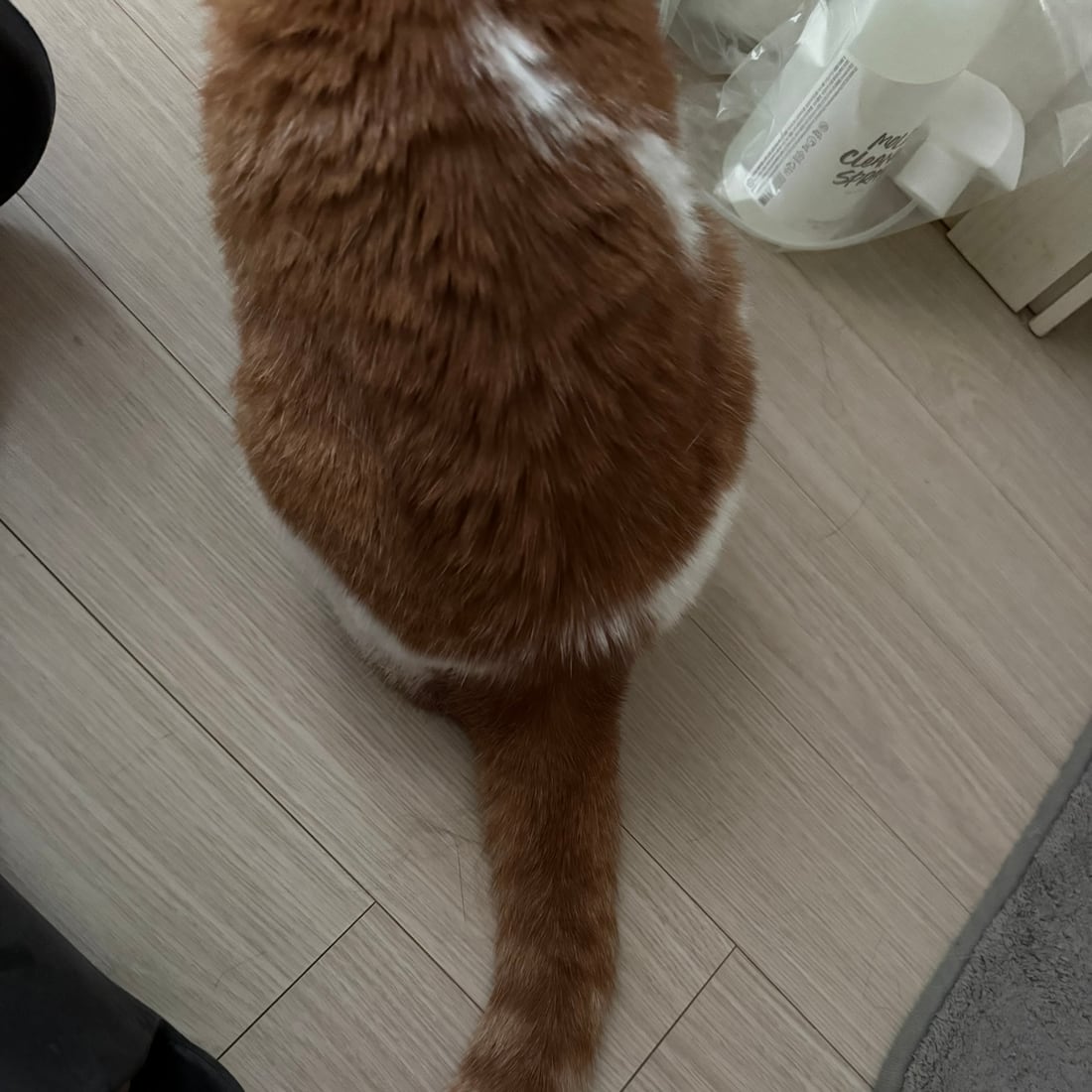
Cats knock things off tables because it gets a reaction, satisfies their urge to bat at moving objects, and lets them explore how the world works with the one tool they’ve got — a paw. It’s rarely spite. It’s usually attention-seeking, play, or plain curiosity, and the fix is almost always about what you do next, not what your cat did.
Once you know which of those three is driving it, the crashing gets a lot easier to manage.
Is my cat doing it for attention or just to play?
Most table-clearing falls into one of three buckets. Watch when it happens and whether your cat looks at you while doing it — that tells you almost everything.
| Reason | What it looks like | Best response |
|---|---|---|
| Attention-seeking | Slow, deliberate paw; cat stares straight at you first | Ignore the shove, reward calm behavior later |
| Play / prey drive | Fast bat, chases the object, does it when alone | Add more play and toys, move breakables |
| Curiosity | Sniffs, taps gently, watches it fall once | Harmless; just clear the ledge |
| Boredom | Repeats it, escalates, no toys around | More enrichment and vertical space |
The attention version is the one that drives people crazy. If your cat makes eye contact, taps the pen, then looks back at you before pushing it — that’s a request, not an accident. Mochi does a softer version of this with her food dish: she’ll sit next to an empty bowl and stare at me until I look, then paw the rim. She learned that the paw-on-object move summons a human.
Why won’t my cat stop even after I yell?
Because yelling is a response, and a response is exactly what a lot of cats are after. To an attention-seeking cat, “Hey! Stop that!” is a jackpot — you looked, you moved, you made noise. You’ve paid out for the behavior.
The same goes for the classic spray bottle. At best it makes your cat wait until you leave the room; at worst it makes your cat nervous around you instead of around the table. Neither one teaches “leave the object alone.”
Here’s the part that feels backwards: the most effective response to attention-driven knocking is no response at all. Don’t look, don’t talk, don’t rush over. Reset the object later when your cat isn’t watching. Cats repeat what pays and drop what doesn’t — but only if you’re consistent. If you ignore it nine times and cave on the tenth, you’ve taught your cat that persistence works, which is worse than never ignoring it.
Which cats do this most?
Younger, high-energy, and under-stimulated cats top the list. Kittens knock things over as part of learning what objects do. Adults who don’t get enough play invent their own — and a pen on a desk edge is a perfect self-service toy.
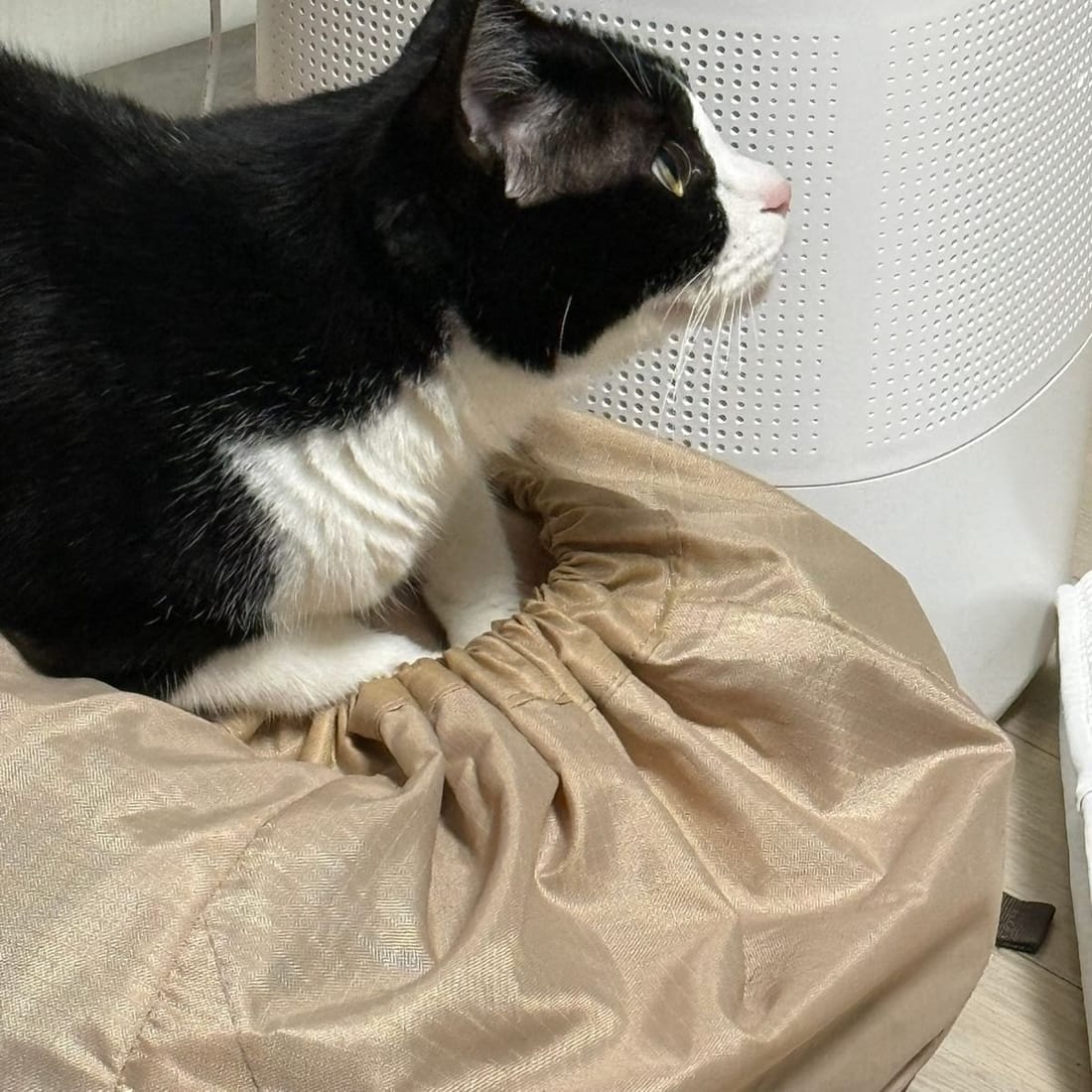
Personality matters more than age, though. Our two cats are the same age and live in the same home, and they treat objects completely differently. Yuja, the sensitive one, mostly ignores clutter — she’s too busy monitoring the room for threats to bother with a pen. Mochi, the confident dog-cat, is the one who investigates everything with her paws. If your two cats behave nothing alike, that’s normal; we wrote about why two cats can have completely opposite personalities and it comes down to temperament far more than upbringing.
Cats also love the physics of it. An object that rolls, spins, or clatters gives instant feedback: I touched this, it moved, it made noise. That’s genuinely interesting to a predator whose brain is wired to track small moving things.
How do I actually stop the crashing?
You attack it from two sides: remove the payoff and give the energy somewhere better to go.
Clear the launch pads. The fastest win is boring but real — move breakables off open ledges. Glasses, phones, small decor, anything that shatters or you’d hate to replace. If it’s not on the edge, it can’t be pushed off the edge.
Redirect the drive. A cat that bats objects wants to bat objects. Give it legal targets:
- A daily play session with a wand toy, 10–15 minutes, ideally before your own bedtime to burn off evening energy.
- Toys that move and make noise — balls in a track, crinkle mice, a treat puzzle.
- Vertical space (cat tree, window perch) so a bored cat has somewhere to go besides your desk.
Reward the quiet. When your cat is sitting calmly near a table without touching anything, that’s the moment to toss a treat or offer a scratch. You’re paying out for the behavior you actually want.
Stay boring during the act. Reset knocked-off items later, silently. No drama.
Try sticky or textured deterrents where you can’t declutter. Museum putty holds décor down. Double-sided tape on a favorite launch spot feels unpleasant on paws and often ends the game there.
Give it a couple of weeks of consistency. The stubborn cases are almost always the ones where somebody in the house is still accidentally rewarding it with attention.
When it’s worth a second look
Nearly all table-clearing is normal cat stuff. But sudden change is the flag to watch. If a mellow adult cat who never bothered your shelves becomes restless, destructive, or unusually vocal seemingly overnight, that’s different from lifelong playfulness — a quick vet visit can rule out pain, dental trouble, or an overactive thyroid before you write it off as a phase.
Otherwise, treat it for what it usually is: a smart, slightly bored animal telling you it wants your attention or a better toy. Give it both, keep the good glasses off the edge, and the 3 a.m. crashes get rare fast.
This article is general information from a cat owner, not veterinary advice. Talk to your vet about your cat's specific situation.