Why Cats Ignore the Expensive Bed and Sleep on a Chair
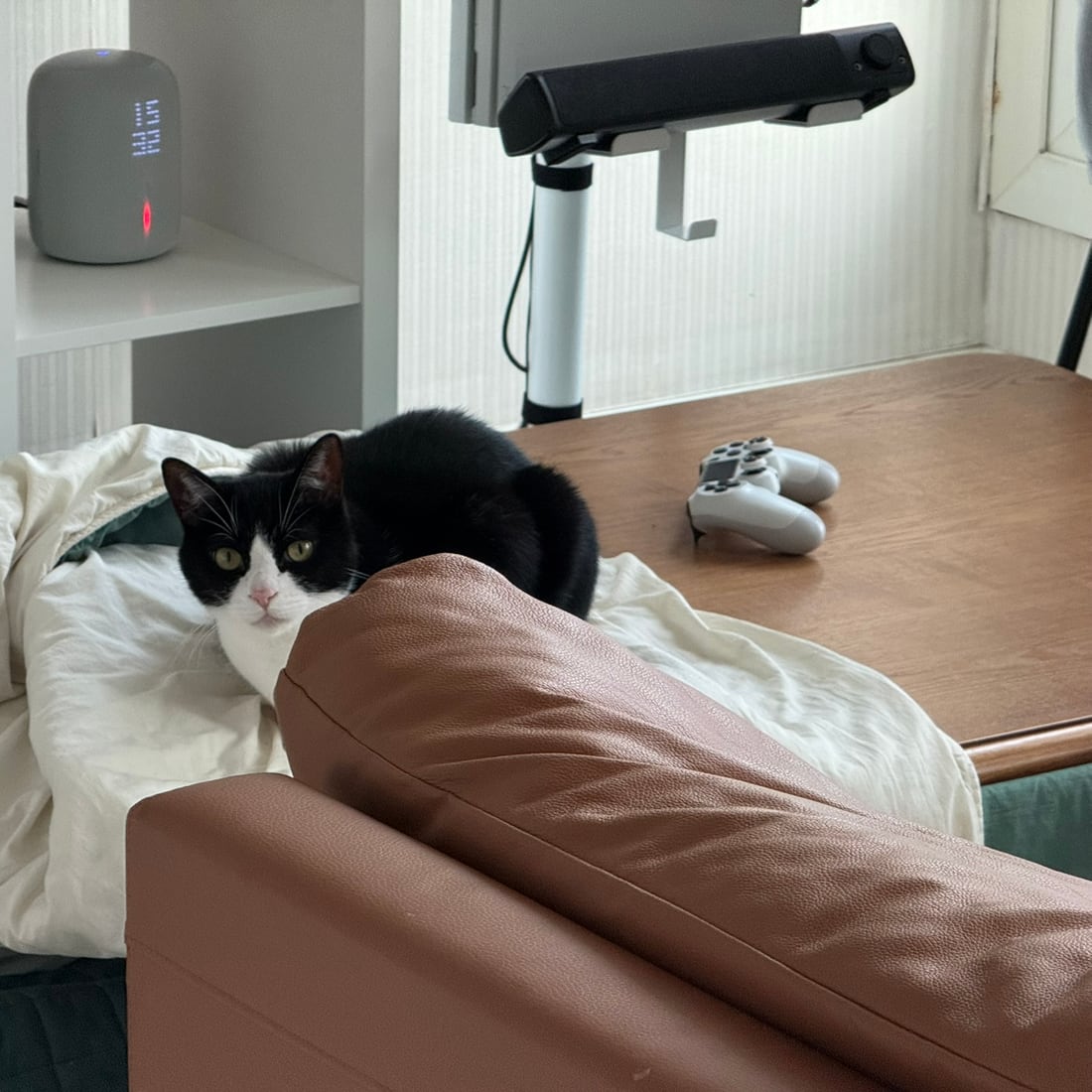
Your cat ignores the $60 orthopedic bed and sleeps on a wooden chair because cats don’t rank comfort the way we do. They pick spots for warmth, height, a good view, and a feeling of safety. A firm chair by a sunny window usually wins on all four. The bed’s price and softness mean almost nothing to the cat.
We learned this the expensive way. The bed we bought for Mochi has been used maybe five times in a year. Her actual favorite? A dining chair with a thin cushion, right where the afternoon sun lands. So before you feel insulted, know that your cat isn’t rejecting your taste. She’s just running a different scoring system.
What cats actually care about in a sleeping spot
If you watch where a cat naturally chooses to nap, the pattern is pretty clear. Softness is way down the list.
| What the cat wants | Why it matters | What beats a plush bed |
|---|---|---|
| Warmth | Cats sleep 12–16 hours and lose heat while resting | A sunny chair, a laptop, a warm windowsill |
| Height | A vantage point feels safer | The back of a couch, a chair seat, a shelf |
| A clear view | Being able to see approaches lowers stress | A chair facing the room or door |
| Your scent | Familiar smell = safe | An unwashed hoodie, your side of the bed |
| Escape routes | No feeling of being cornered | Open chair vs. a bed shoved in a corner |
A fancy bed usually delivers on exactly one thing: softness. Meanwhile the chair delivers warmth, height, a view, and often your leftover scent from sitting there. The chair isn’t cheaper to the cat. It’s a better product.
Why did my cat use the bed once and then quit?
This one drives people crazy. The cat tries the new bed, naps in it a couple of times, and then never touches it again. It looks like buyer’s remorse.
Two things are usually going on. First, novelty. A new object gets investigated, and a nap in it is part of that investigation, not a verdict. Second, the bed loses its neutral smell fast and picks up nothing familiar to replace it, so it stops feeling like a chosen spot and starts feeling like furniture.
Our picky one, Yuja, is a good example of how far this can go with an anxious cat. When she first came to us she spent two weeks behind the washing machine and wouldn’t come out for anything. We literally slid her food and water back there. No bed on earth would have pulled her into the open. Comfort was never the issue. Safety was. Once you understand that, the untouched bed makes more sense. If a spot doesn’t feel safe, plush padding won’t fix it.
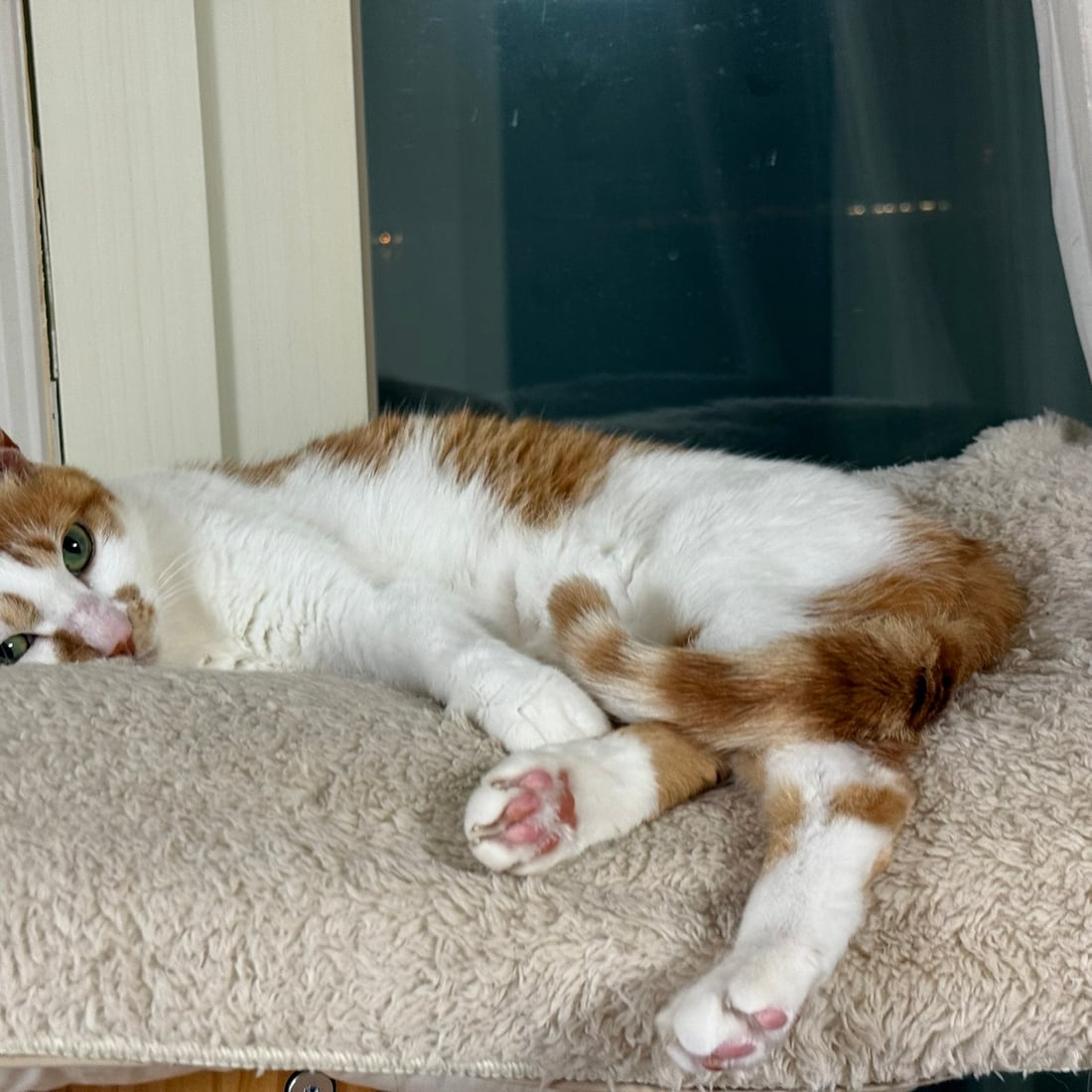
Where you put the bed matters more than the bed
The single biggest mistake is placement. People put the bed where it looks nice to them, then wonder why the cat won’t use it. Cats vote with their bodies, and they’ve already told you where they want to sleep.
Here’s the fix, in order of how much it actually helps:
- Move the bed to where the cat already sleeps. If she loves that chair, put the bed on or next to that chair. Don’t fight the location she picked.
- Add familiar scent. Drop in an unwashed T-shirt or a blanket from the couch. Skip the fresh-out-of-the-dryer smell.
- Raise it or give it a view. A bed at floor level in a corner is a hard sell. On a chair seat facing the room, it competes better.
- Chase the sun. Watch where the light lands at 2 p.m. and put the bed there. Warmth sells a bed faster than any material.
- Wait, and don’t hover. No treats bribed on top, no picking her up and plopping her in. Cats resist being placed. Let her discover it.
We had zero luck with the bed until we stopped treating it as a decor item. Once it lived on Mochi’s sunny chair and smelled like the couch, she started using it on cold mornings. Not every day, but enough that it stopped being a waste.
Is it a problem, or just cat stuff?
Almost always, it’s just cat stuff. Rotating between a chair, a windowsill, and your bed is completely normal, and cats shift favorites with the seasons. In winter they chase heat; in summer they sprawl on cool tile. None of that needs fixing.
The version worth a second look is a sudden change paired with other signs. If a cat who always claimed the warm chair suddenly hides in a closet, stops eating, or goes flat and quiet, that’s different from a preference change. A quick vet visit rules out pain or illness, because cats hide discomfort by changing where and how they rest. If it’s just “she likes the chair better than the bed,” relax. That’s not a symptom.
Personality plays a huge role too. Mochi will flop and roll wherever there’s attention, so she’ll try any new thing at least once. Yuja needs a spot to feel secure before she’ll settle, which is the same reason it took years to build her trust in general. If your cat is the cautious type, expect the bed to take weeks, not days, and don’t read slowness as rejection. Anxious cats and confident cats shop for sleeping spots completely differently, which is worth remembering if you have two cats with opposite personalities.
So should you even buy a cat bed?
Honestly, buy less than you think. A cat bed is worth it only when it upgrades a spot your cat already picked, like adding warmth or a soft layer to a favorite chair. Buying a bed to create a new sleeping spot from scratch usually fails, and that’s most of the untouched-bed stories out there.
Our take: before spending $40 to $70 on a plush dome, try a folded fleece blanket on the chair your cat already loves. It costs nothing, it picks up your scent fast, and you can wash it. If your cat adopts the blanket, great, you saved money. If she wants something with walls for a sense of cover, then a bolstered or covered bed on that same chair is a reasonable next step.
The chair isn’t a rejection of your gift. It’s your cat handing you the answer key. Read the spot she chose, then work with it instead of against it. That’s the whole trick, and it’s a lot cheaper than the third bed you were about to buy.
This article is general information from a cat owner, not veterinary advice. Talk to your vet about your cat's specific situation.