How to Store Dry Cat Food So It Stays Fresh
Store dry cat food in its original bag, squeeze out the air and seal it tight, and keep it somewhere cool, dark, and dry. Use it within about six weeks of opening. The bag itself is designed to protect the kibble, so don’t toss it into an open bin — that’s the fastest way to stale, oily-smelling food a cat will refuse.
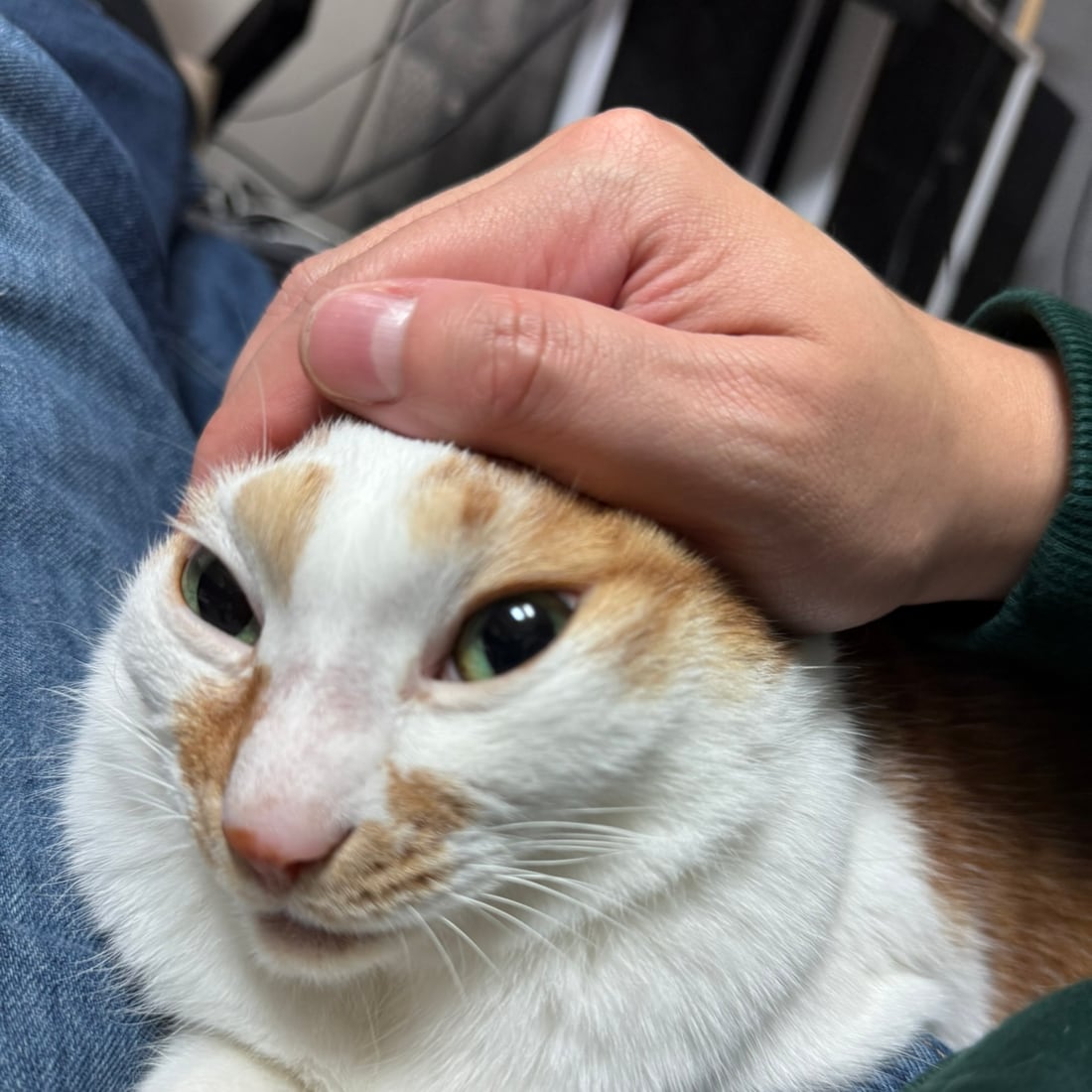
That last part is the whole reason I care about this. Yuja, our older cat, is so picky that a slightly-off smell means a full hunger strike. We’ve thrown out more than one bag she loved on day one and rejected two weeks later. Better storage fixed most of it.
Why does dry food go stale in the first place?
Kibble is coated in fats to make it smell and taste good. The moment you open the bag, air starts oxidizing those fats — the same thing that makes nuts or chips taste rancid. You often can’t see it, but cats smell it instantly.
Three things speed that up: air, heat, and light. A bag left open on a warm kitchen counter goes stale far faster than the same bag sealed and stashed in a cool cabinet. Moisture is the fourth enemy; humidity invites mold, especially in summer.
So the goal isn’t fancy gear. It’s just cutting off air, heat, light, and moisture as much as you reasonably can.
Should you keep the original bag or use a container?
Keep the original bag. This is the single most common storage mistake I see people make — dumping kibble straight into a plastic bin and recycling the bag.
Here’s why the bag matters:
| What the bag does | Why it matters |
|---|---|
| Has a fat-resistant inner liner | Bare plastic bins let oils seep in and go rancid over time |
| Prints the lot number and expiration date | You’ll want these if there’s ever a recall or a problem |
| Blocks light | Most bags are opaque; clear containers let light in |
The best setup is both: leave the food in its bag, roll the top down tight, clip it, and then set that bag inside an airtight container. The container adds a seal and keeps pests out; the bag keeps the food from touching bare plastic. Chewy, Target, and PetSmart all carry bins sized to hold a whole bag without pouring it out.
If you already have a big airtight bin and hate the double-bag idea, at least wash and fully dry it between bags. Old fat residue on the walls goes rancid and taints the fresh batch.
Where should you store it, and for how long?
Cool, dark, dry, and off the floor. A pantry shelf or a low kitchen cabinet away from the oven and dishwasher works. Avoid the garage (temperature swings), the spot next to the stove, and anywhere sunlight hits.
Timing matters more than people expect:
| Situation | Rough guideline |
|---|---|
| Opened bag, sealed properly | Use within ~6 weeks |
| Unopened bag, cool storage | Good until the printed date |
| Unopened bag, freezer | Long-term OK; thaw to room temp before serving |
| Opened bag left with air exposure | Freshness drops within days |
The freezer is fine for a sealed, unopened bag if you buy in bulk. Skip the fridge for daily storage — condensation adds moisture every time you open the door, and that’s how you get clumping and mold.
The six-week window is why buying the biggest bag isn’t always the deal it looks like. If your cat eats slowly, a huge bag can go stale before it’s finished. We learned this the hard way and now buy smaller bags for our picky cat on purpose, even though the price-per-pound is worse.
How do you know if kibble has gone bad?
Trust your nose first, then your cat’s. Fresh kibble smells mildly toasty. Stale kibble smells sharp, oily, or faintly like old crayons. Toss it if you notice any of these:
- A rancid, sour, or chemical smell
- Visible clumping, moisture, or any mold specks
- Bugs (pantry moths love kibble)
- Your cat sniffs, then walks away from food she normally eats
That last one is the early-warning system in our house. When Yuja suddenly refuses a bag she was fine with last week, stale food is my first suspect before anything else. If she keeps refusing food across multiple fresh bags, or stops eating entirely for more than a day, that’s a vet call, not a storage problem — a sudden appetite change can point to something medical.
What we actually do at home
Our routine is boring on purpose, and that’s the point. Here’s the whole thing:
- Buy a bag small enough to finish in about a month.
- Keep it in the original bag, rolled down and clipped, inside an airtight bin in a low cabinet.
- Scoop with a dry cup — never a wet one, since even a little moisture invites mold.
- Wash and dry the bin whenever a bag runs out.
There’s one extra wrinkle that has nothing to do with the bag: the bowl. Yuja nibbles a few bites at a time and comes back over hours. If food sits in a damp bowl too long, it turns and she throws it up later. We swap in fresh kibble each feeding and dry the bowl, which stopped the vomiting entirely. If your cat is a grazer too, our take on whether washing the bowl every meal actually matters covers what changed for us.
Mochi, meanwhile, inhales her food in one sitting and would eat kibble off the floor if we let her, so storage freshness barely registers for her. Same house, same food, completely different eaters — which is a good reminder that “good storage” is really about the pickiest mouth at the bowl.
Keep the air out, keep it cool and dry, and finish the bag before six weeks. That’s most of the battle. The rest is just paying attention to what your cat’s nose is telling you.
This article is general information from a cat owner, not veterinary advice. Talk to your vet about your cat's specific situation.