How Often Should You Brush a Short-Haired Cat?
For most short-haired cats, brushing once or twice a week is enough. Their coat is short enough that they handle a lot of the maintenance themselves. You brush mainly to pull out loose hair before they swallow it, and to keep an eye on their skin. During spring and fall shedding, bump that up to every day or two.
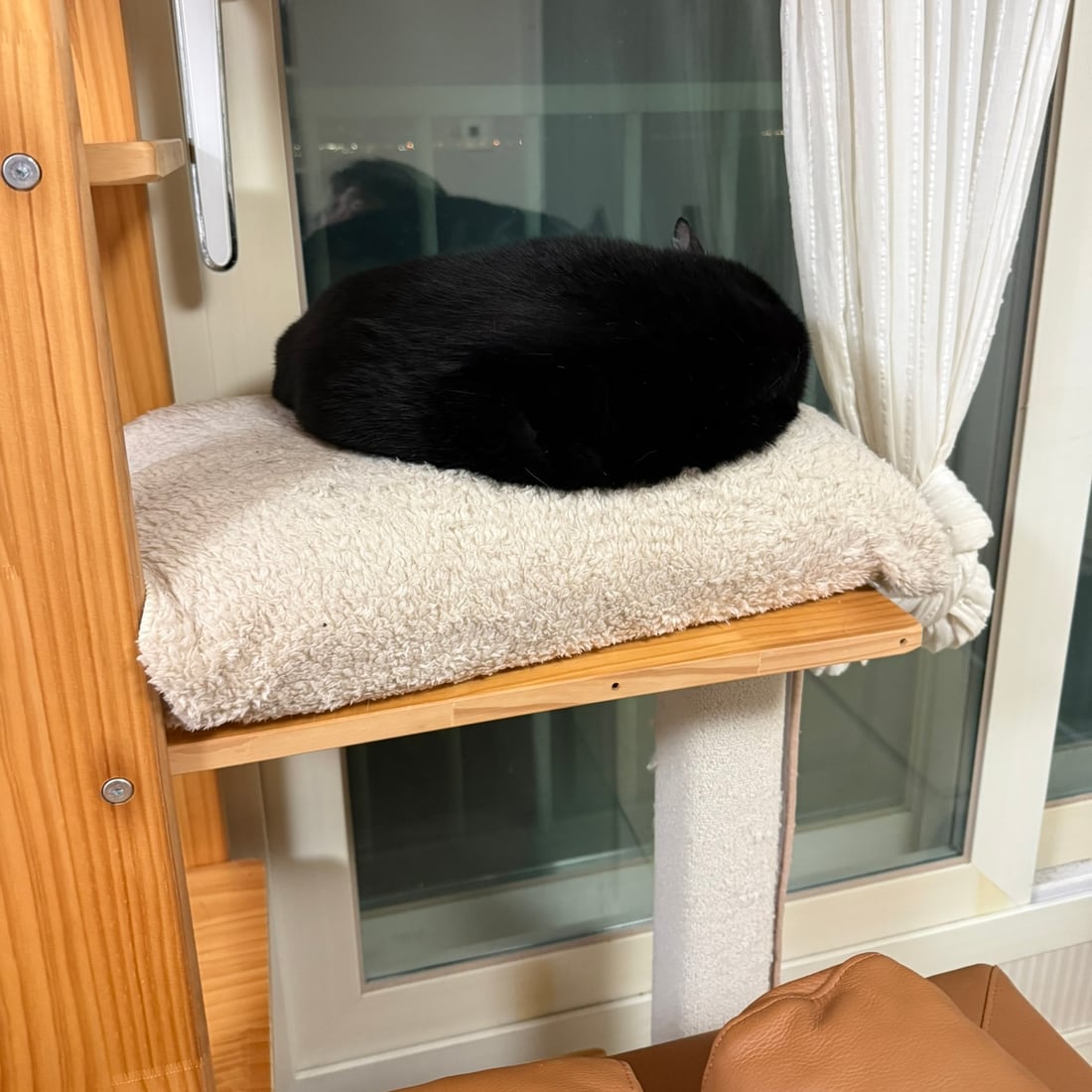
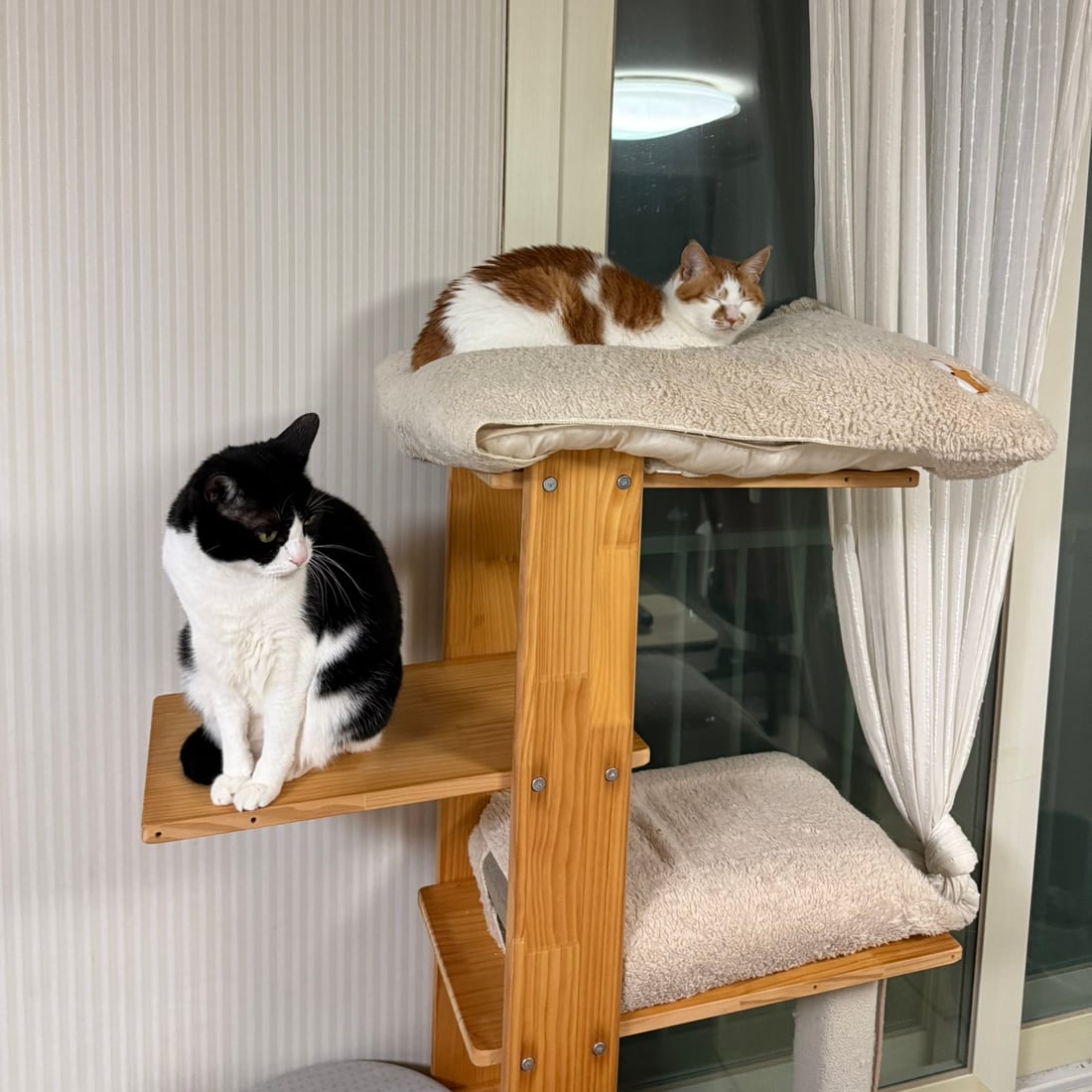
That’s the short answer. The longer one depends on your specific cat — how much they shed, how they feel about being touched, and whether they let you near them with a brush at all. Ours, Mochi, is a dream about it. Yuja is a different story, and I’ll get to her.
Why once or twice a week is usually enough
Short coats don’t tangle the way long coats do. A Maine Coon needs near-daily attention to stay mat-free; a short-haired cat mostly won’t mat at all under normal conditions. So the goal of brushing shifts from “prevent mats” to two simpler things:
- Remove loose hair. Every hair you catch on the brush is a hair your cat doesn’t swallow while grooming. Fewer swallowed hairs means fewer hairballs on your carpet.
- Check the skin and coat. Brushing puts your hands on your cat regularly. That’s how you notice a scab, a flea, a bald patch, or a lump before it becomes a bigger deal.
A weekly pass covers both for a cat with a normal coat and no skin issues. Some short-haired cats barely shed and could go longer. Others — especially those with a bit of undercoat — do better twice a week.
When you should brush more often
Weekly is a baseline, not a rule. Here’s when to do more:
| Situation | How often |
|---|---|
| Normal coat, indoor cat | 1–2 times a week |
| Spring/fall shedding season | Daily or every other day |
| Cat is overweight or older and can’t groom well | 2–4 times a week |
| Frequent hairballs | 3–4 times a week |
| Dense undercoat (some short-haired breeds have one) | 2–3 times a week |
The two big ones are shedding season and cats who can’t groom themselves properly. An older or heavy cat often can’t twist around to reach their back and hindquarters, so loose hair builds up there. If you notice a greasy or clumpy patch near the base of the tail, that’s usually a spot your cat can’t reach — brush it for them.
How do I brush a cat that hates it?
This is the real question for a lot of people, and it’s the one I live with. Yuja has been with us six years and she still hisses if I touch the same spot twice in a row. A full grooming session? Not happening. Brushing a nervous cat is less about frequency and more about keeping it short enough that they tolerate it at all.
What’s worked for us:
- Keep sessions under a minute. Three or four strokes, then stop while she’s still okay. A long session isn’t better than a short one — it’s just more chances to get bitten.
- Brush where she already lets me touch. For Yuja that’s her back and cheeks, never her belly or legs. I don’t push into no-go zones for the sake of a “complete” brush.
- Read the tail and ears. Flicking tail, ears turning back — that’s the warning before the bite. I stop before she has to escalate.
- Let the friendly cat go first. Mochi flops over and rolls the second she sees the brush, so I do her where Yuja can watch. It seems to take some of the threat out of it.
If your cat won’t tolerate a handheld brush at all, a grooming glove is worth trying — the contact feels more like petting than a tool. We wrote up what actually matters in grooming gloves for cats that bite, because most of the marketing on them is nonsense. And if being held is the specific problem, brushing a cat that hates being held covers the positioning tricks we use.
The honest truth: with a cat like Yuja, “how often should you brush” has a ceiling set by her tolerance, not by what her coat needs. I brush her when she’s relaxed and receptive, which might be twice one week and not at all the next. I’ve made peace with that. A stressed cat you brushed on schedule is worse off than a calm cat you brushed a little less.
What to use on a short coat
You don’t need much. For a short-haired cat, a couple of tools cover everything:
- Rubber curry brush. Grabs loose hair and feels like a massage. This is the one Mochi actively asks for.
- Soft-bristle brush. Good for a finishing pass and for cats who find rubber too grabby.
- Fine-tooth comb. Not for the whole coat — for checking. Run it near the base of the tail to catch fleas or flea dirt, which show up there first.
You can skip the heavy deshedding rakes that get marketed for shedding season. Those are built for dense double coats. On a thin short coat they can scrape the skin and take out healthy hair along with the loose stuff. If your short-haired cat genuinely has an undercoat, a light deshedding tool used gently every few days is fine — but most don’t need it.
Signs you’re brushing too much (or not enough)
Too little shows up as more hairballs, visible loose hair when you pet your cat, or dull, greasy patches your cat can’t reach. Too much shows up as red or flaky skin, or a cat who used to tolerate the brush and now bolts when you pick it up.
Coat and skin also change for reasons that have nothing to do with brushing. A sudden increase in shedding, bald patches, or constant scratching isn’t a grooming-schedule problem — that’s worth a vet visit, since it can point to fleas, allergies, or a skin condition no brush will fix.
For a normal, healthy short-haired cat, though, keep it simple: a weekly brush, more during shedding season, and only as much as your particular cat will actually sit still for.
This article is general information from a cat owner, not veterinary advice. Talk to your vet about your cat's specific situation.