How to Brush a Cat That Hates Being Held
Don’t hold the cat. That’s the whole trick, and it’s the one most people get wrong. A cat that fights being held will fight the brush too, because it’s not really the brush she hates—it’s being trapped. Let her stay free, brush in short bursts while she’s already relaxed, and you’ll get more done in ten seconds than you would in a two-minute wrestling match.
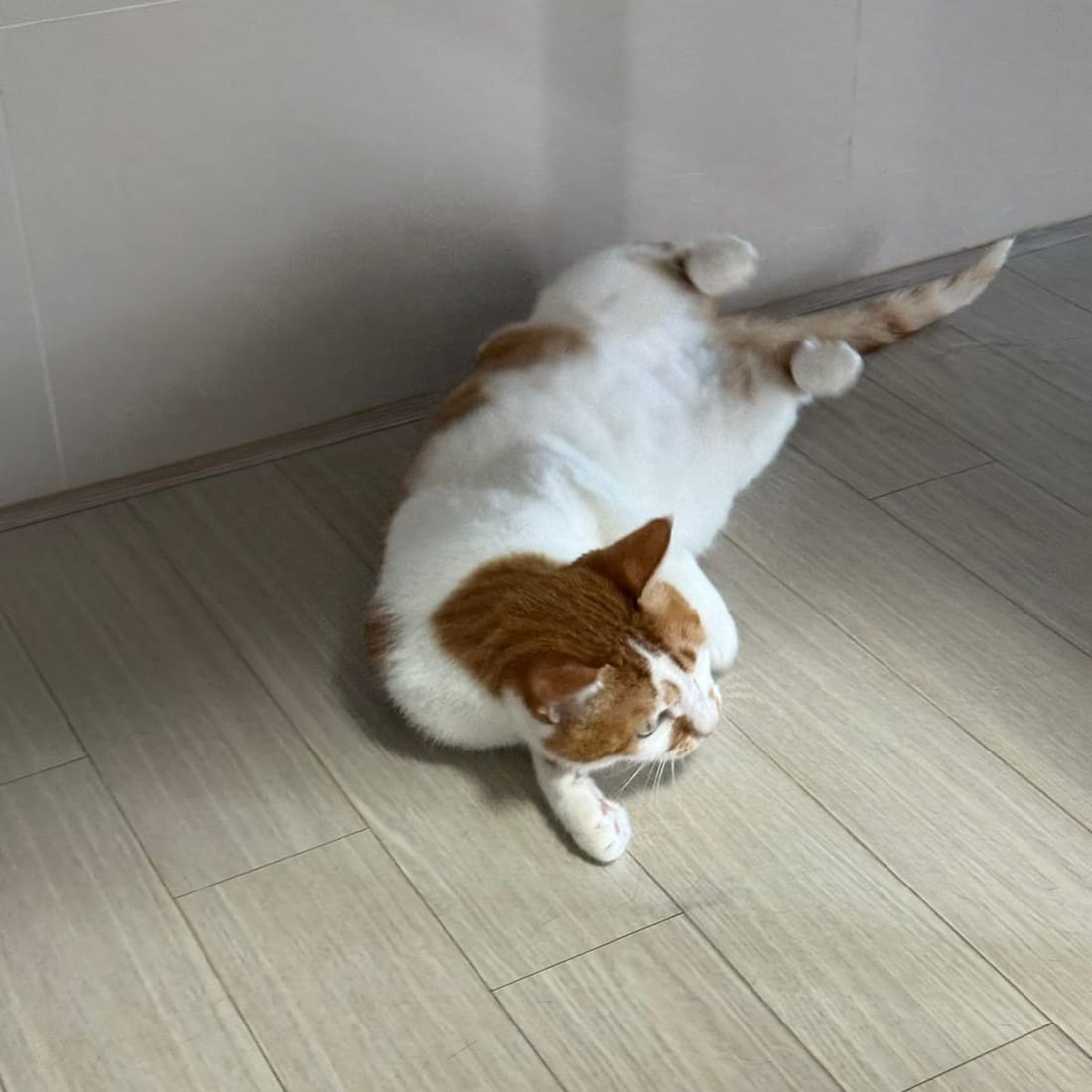
I’ve had six years to figure this out with Yuja, our orange-and-white first cat. She hisses, she nips, and she still won’t let me trim her nails. Brushing her used to be a fight I always lost. Once I stopped trying to keep her still, it got easier for both of us.
Why holding backfires
Cats that hate restraint usually have a reason baked in—past handling, a nervous temperament, or just being wired that way. Yuja came to us from the street after family rescued and cared for her, and even six years in, being held tips her straight into “get me out of here” mode.
When you clamp a cat under your arm to brush her, every stroke feels like an ambush. She learns that the brush appears right when she loses control. So the next time you reach for it, she’s already gone. You’re not building tolerance—you’re building dread.
The fix is to break the link between the brush and being trapped. The brush should show up while she’s loose, comfortable, and free to leave. If she can walk away at any second, she stops feeling the need to.
Start where the cat already is
Pick a spot your cat likes and go to her. Don’t call her over to a grooming station—that’s asking her to volunteer for something she doesn’t trust yet.
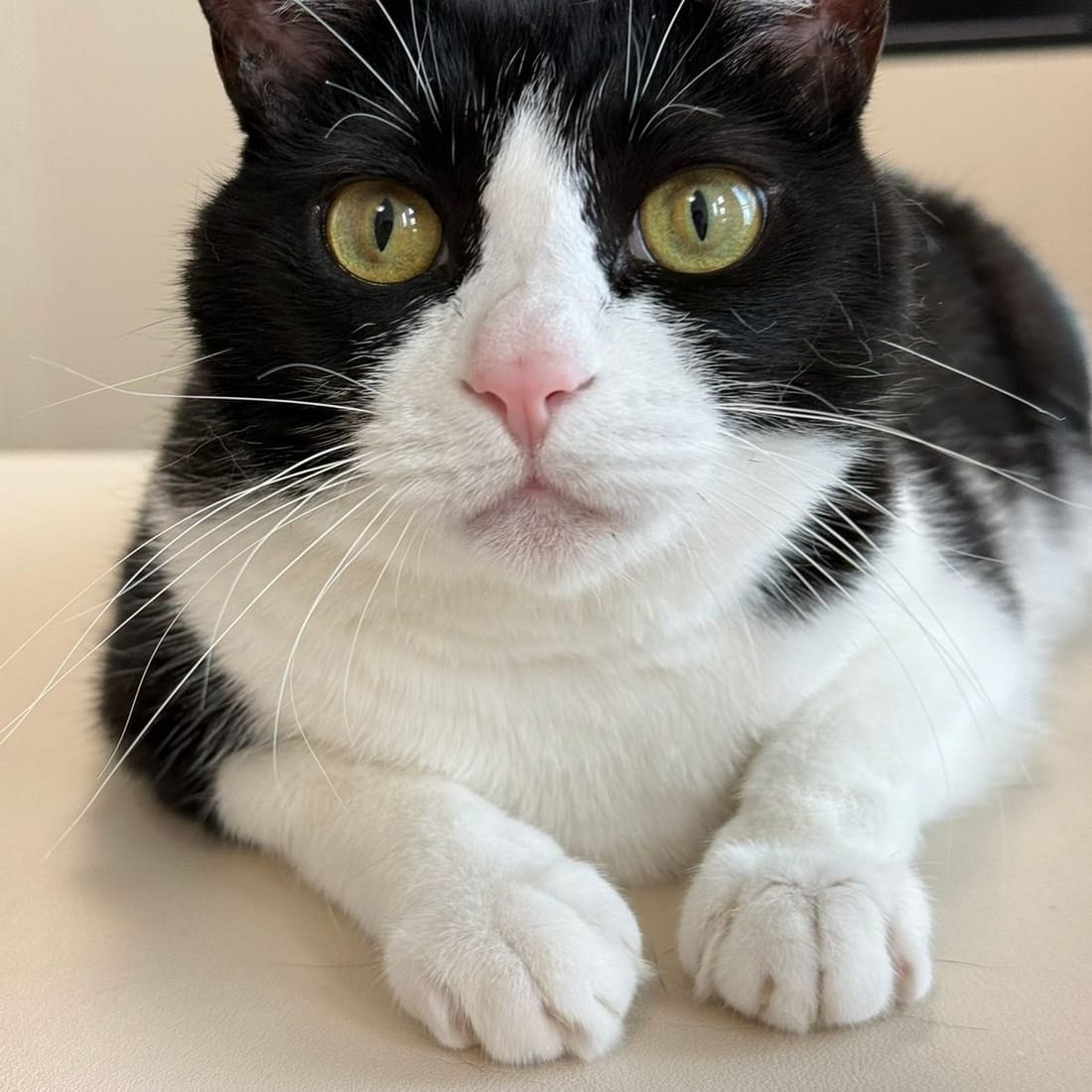
Mochi, our tuxedo, makes this easy. She flops over and rolls the second you touch her, so I brush her wherever she lands. Yuja is the opposite. With her, I wait until she’s settled on the couch on her own terms, then I sit a couple of feet away and let her notice the brush without reaching for her.
A few things that help set the stage:
- Time it with her calm hours. Right after a meal or a nap, not when she’s zooming around.
- Let her sniff the brush first. Set it down, let her investigate, reward the sniff.
- Keep your body language low. No looming, no hovering hands. Sit at her level.
The ten-second rule
Here’s the core of it. You get one to three strokes, then you stop before she asks you to. Not after she growls. Before.
With Yuja I count it out: two strokes along the cheek and shoulder, then the brush goes away and she gets left alone. If I push to a third when she’s twitchy, I lose the next three sessions. This is the same pattern I hit trying to touch her paws—it took four years to get to where I can rest a hand on her foot, but touch it twice in a row and I get a hiss. Cats like this have a hard ceiling on how much contact they’ll take at once. Respect it and you can slowly raise it.
Short and frequent beats long and rare. Thirty seconds a day, every day, does more than a ten-minute session once a week that ends in a bite.
Pick a brush she’ll actually tolerate
The tool matters more with a touchy cat, because the wrong texture can feel like an attack. A few options that go over well with hands-off cats:
| Tool | Best for | Why it works for skittish cats |
|---|---|---|
| Grooming glove | Cats that hate anything rigid | Feels like petting, so she may not even clock it as brushing |
| Soft-pin slicker | Medium/long coats | Gentle enough for a face-and-shoulder start |
| Rubber curry brush | Short coats, shedding | One-handed, quick strokes, easy to stop |
You can find all three at Chewy, Petco, or PetSmart for under $15. The glove is the one I’d start with for a cat that panics at objects—it reads as affection first and grooming second. Yuja tolerates a soft brush on her head and shoulders and nothing past the mid-back, and I’ve made peace with that.
Use food to change the story
Pair the brush with something good and you rewrite what the brush means. This is straightforward: brush appears, treat appears. Brush goes away, treats stop.
A lickable treat tube works great because it keeps the cat busy and stationary without you holding her—she’s choosing to stay for the food. Squeeze some onto a plate or let her lick straight from the tube while you get a stroke or two in. Freeze-dried chicken or a spoon of wet food does the same job.
One caution with picky eaters: don’t lean on a treat she’ll burn out on. Yuja is extreme about this—she’ll love a food the first few times, then refuse it entirely once she decides she’s done. I’ve thrown out full bags of food she suddenly wouldn’t touch. So rotate your grooming treats and don’t turn your best bribe into an everyday thing.
Read the warning signs and quit early
A cat about to nip or bolt tells you first. Learn her tells and you’ll almost never get bitten:
- Tail flicking or thumping
- Skin rippling along the back
- Ears rotating back or flattening
- Sudden stillness, staring at the brush
- A low growl or the start of a hiss
When you see any of these, you’re already past the ideal stopping point. Put the brush down and walk away without making it a thing. You want her to learn the session always ends before it gets bad—that’s what makes her willing to try again tomorrow.
If your cat has always been fine with brushing and suddenly starts flinching, snapping, or guarding one part of her body, that’s worth a vet visit—new touch-sensitivity can mean pain rather than attitude. A lifelong grump like Yuja is a temperament thing; a sudden change is a different signal.
What realistic progress looks like
Set your expectations honestly. Some cats will never be a full-body, belly-included groom, and that’s fine. Your goal is a clean, mat-free coat, not a cat who enjoys being brushed like a spa client.
Six years in, Mochi is a dream—brush, nails, all of it, no complaints. Yuja lets me do her head, cheeks, and shoulders in short bursts, and I handle the rest during shedding season by catching loose fur with a glove while she’s mid-cuddle and half asleep. That’s the win. Not a transformed cat, just a manageable routine that doesn’t cost me her trust.
If your cat mats badly in spots you can’t reach, don’t fight her for it—a groomer or your vet can shave out a mat in minutes without turning it into a battle you’ll pay for later. Managing the parts you can reach, daily and gently, keeps most of those mats from forming in the first place.
The short version: stop holding, keep it under ten seconds, pay her for it, and quit before she asks you to. A cat that hates being held can still get brushed. She just has to be the one who decides to stay.
This article is general information from a cat owner, not veterinary advice. Talk to your vet about your cat's specific situation.