How to Switch a Picky Cat's Food Without Wasting the Whole Bag
Buy the smallest bag first, mix it in over 7 to 10 days, and don’t commit to the big bag until your cat has eaten the new food reliably for at least two weeks. That’s the whole strategy. The mistake that wastes money isn’t picking the “wrong” food—it’s buying five pounds of something your cat has never actually proven it will eat past the novelty stage.
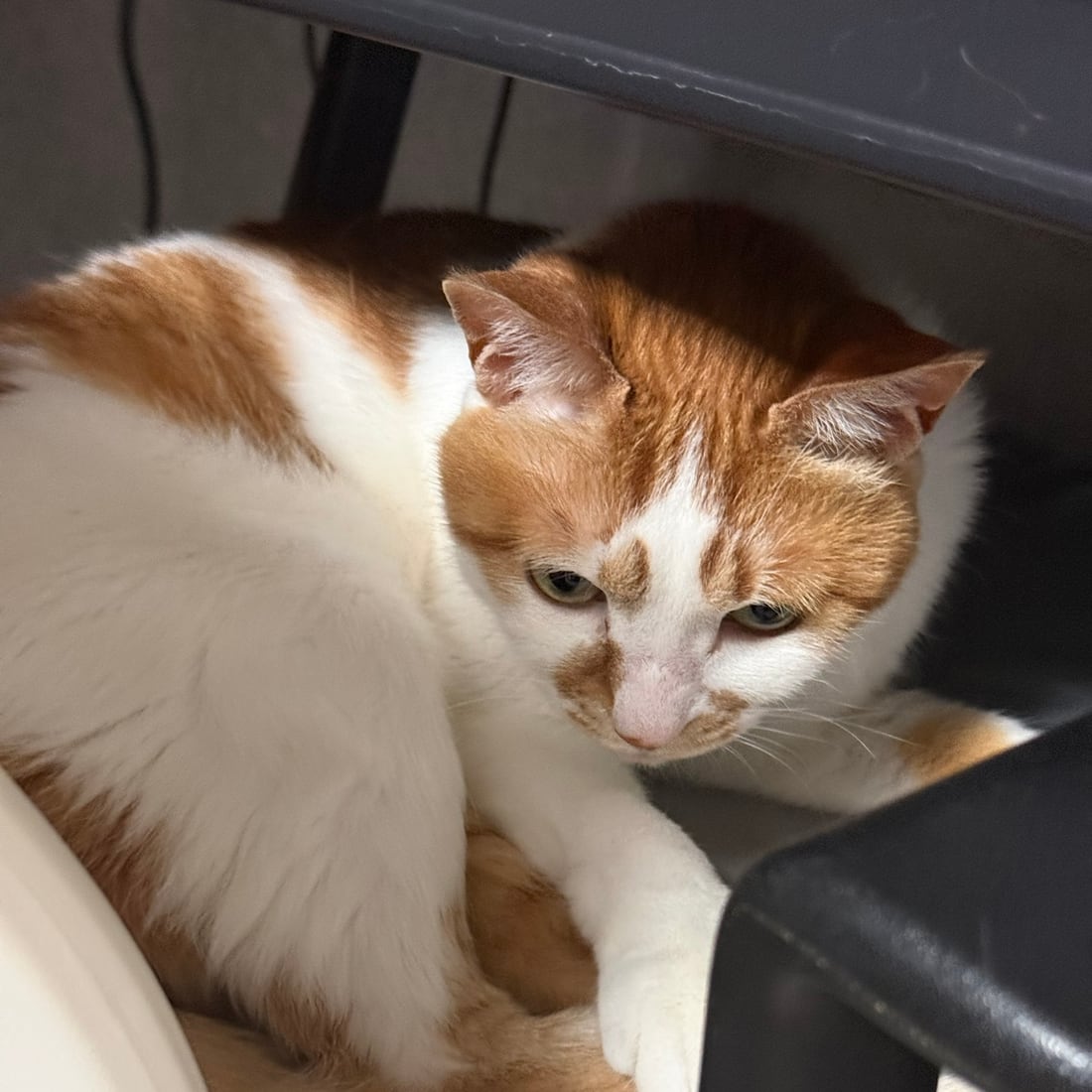
I learned this the expensive way. Yuja, our orange-and-white eight-year-old, does a very specific thing: she’ll eat a new food eagerly the first few days, so I’d think “great, she loves it,” buy the big bag, and then she’d refuse it completely. I’ve thrown out multiple full bags because of this. So everything below is built around not trusting the honeymoon phase.
Start with the smallest size you can find
Before you change anything in the bowl, buy the trial or smallest bag available. Most brands sell a 2 to 3 lb bag, and a lot of them sell sample packets at Petco or through Chewy. Target and PetSmart usually stock the small dry bags too.
The point isn’t to save a couple dollars now. It’s to give your cat a chance to reject the food while you’re only out $8 instead of $30. If your cat eats the small bag down to the bottom over a couple of weeks without turning up its nose, that’s real information. A three-day burst of enthusiasm is not.
If the brand only sells a large bag and no sample, I skip it until they release a smaller size or I can find a single serving somewhere. Not worth the gamble with a fussy eater.
Mix slowly, and go slower than the label says
The standard advice is a 7-day transition. For a picky cat, stretch it. Here’s the ratio I use, and I’ll add a day or two if there’s any hesitation:
| Days | New food | Old food |
|---|---|---|
| 1–3 | 25% | 75% |
| 4–6 | 50% | 50% |
| 7–9 | 75% | 25% |
| 10+ | 100% | — |
If your cat starts eating around the new kibble, picking out only the old pieces, back up a step. Don’t push to the next ratio until they’re cleaning up the current mix. A slow transition also gives their stomach time to adjust, which cuts down on the soft-stool and vomiting you sometimes get from a hard switch.
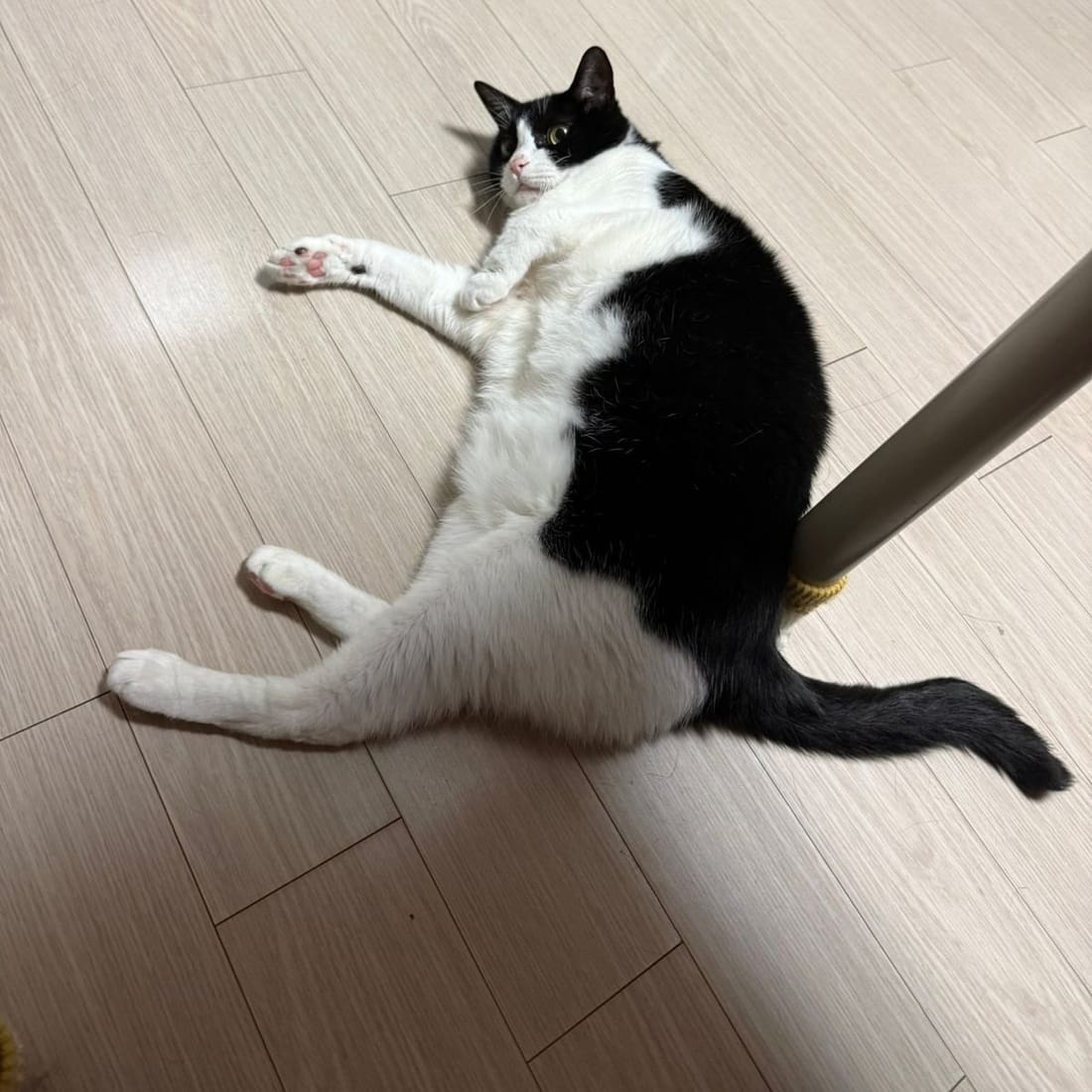
Our tuxedo, Mochi, would happily eat any of this on a normal timeline—she’s the easy one. But I set the pace by Yuja, because if I feed them on different schedules it’s chaos. Match your rollout to your pickiest cat, not your easiest.
Fix the routine, not just the food
Sometimes the “picky” problem isn’t the food at all. It’s how it’s served. This took me years to figure out with Yuja, and honestly it made a bigger difference than any brand switch.
A few things that changed the outcome for us:
- Fresh food every time. Yuja won’t eat food that’s been sitting out too long. If it’s been more than about 12 hours, she’ll ignore it—and if she eats stale food later, she throws it up. So I toss the old portion and put down fresh.
- Clean, dry bowl. I wash the bowl and dry it before refilling. A wet or slightly grimy bowl was enough to make her skip a meal.
- Small portions, offered more than once. She doesn’t eat a full serving in one sitting. She grazes. So I split her food across the day instead of dumping it all at once and letting it go stale.
Once I got the routine right, she stopped vomiting and stopped “randomly” rejecting food I knew she used to eat. A lot of what looked like pickiness was really a reaction to stale food in a dirty bowl. If your cat suddenly refuses a food they’ve eaten for months, check the routine before you assume they hate the recipe.
Have a backup plan for total refusal
Some transitions just fail. Your cat plants its feet and won’t touch the new food no matter how small the ratio. When that happens, don’t starve them into it—cats can develop serious liver problems if they go without eating, and forcing a standoff isn’t worth the risk.
What I do instead:
- Go back to 100% old food for a few days to reset.
- Try again with an even smaller amount of new food mixed in, or warm the food slightly to bump up the smell.
- If two honest attempts fail, I accept that this food isn’t happening and move on. That small bag I bought? It goes to a friend’s cat or a shelter donation bin instead of the trash.
That last part matters. When you buy small, a failed transition costs you almost nothing and the bag can still do some good elsewhere.
One caveat worth saying plainly: if your cat suddenly refuses food they’ve eaten for a long time, or stops eating entirely for more than a day, that’s not a pickiness problem to solve with a new brand—get them looked at, because a real appetite drop can be an early sign something’s wrong.
Why the big bag is the trap
I want to hammer this because it’s the single most expensive mistake I made repeatedly. The logic feels sound: “She loves it, buy in bulk, save money per pound.” But for a genuinely picky cat, enthusiasm on day three predicts nothing about day fifteen.
Yuja has burned me on this more than once. The bulk bag sits there, she refuses it, and now I own five pounds of food no cat in the house will eat. The per-pound “savings” evaporated the moment I opened the bag she wouldn’t touch.
So my rule now: the big bag is a reward for consistent eating, not a bet on a good first impression. Two solid weeks of finishing meals from the small bag, then I’ll upgrade. Anything faster and I’m just gambling.
Quick answers
How long should a food transition take for a picky cat? At least 7 days, and I stretch it to 10 or more if there’s any resistance. Slower is cheaper than a rejected bag.
Can I switch cold turkey if my cat seems fine with new food? You can, but I don’t recommend it. A sudden switch risks stomach upset, and with a picky cat the “seems fine” phase often ends abruptly.
Should I mix wet and dry the same way? Same principle—start with a small amount of the new food and increase gradually. With wet food especially, watch freshness and toss anything that’s been out too long.
What if my cat only picks out the old kibble from the mix? Back up to the previous ratio and hold there longer. They’re telling you they noticed the change, so make the change less noticeable.
The whole system comes down to spending small until your cat proves it’ll actually eat. Buy the trial size, transition slowly, keep the bowl clean and the food fresh, and only reach for the big bag once you’ve got real evidence. Do that and a rejected food costs you a few dollars instead of a full bag in the trash.
This article is general information from a cat owner, not veterinary advice. Talk to your vet about your cat's specific situation.