Why Does My Cat Only Eat a Few Bites at a Time?
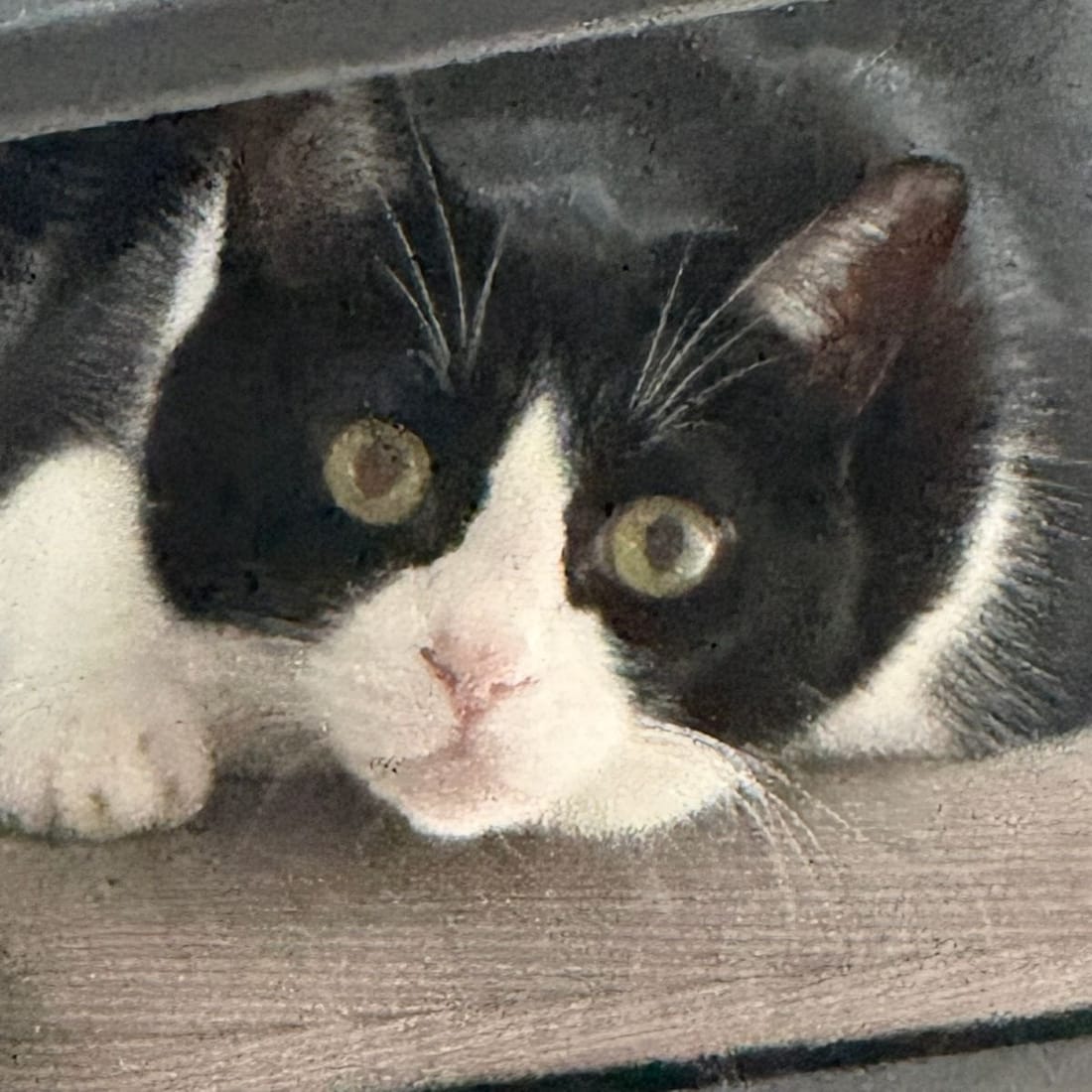
Most of the time, eating a few bites and walking away is just how cats eat. In the wild they hunt small prey and snack throughout the day, so grazing across 8 to 20 tiny visits to the bowl is closer to their default than a problem. If your cat is otherwise bright, active, and holding weight, a nibble-and-leave pattern usually needs a smarter routine, not a vet visit.
The one thing worth watching: if a cat who normally cleans the bowl suddenly starts eating only a bite or two, or drops weight, that’s a change worth flagging to your vet, because dental pain and nausea both show up as “eats a little, then stops.” Steady lifelong grazing is different from a sudden shift.
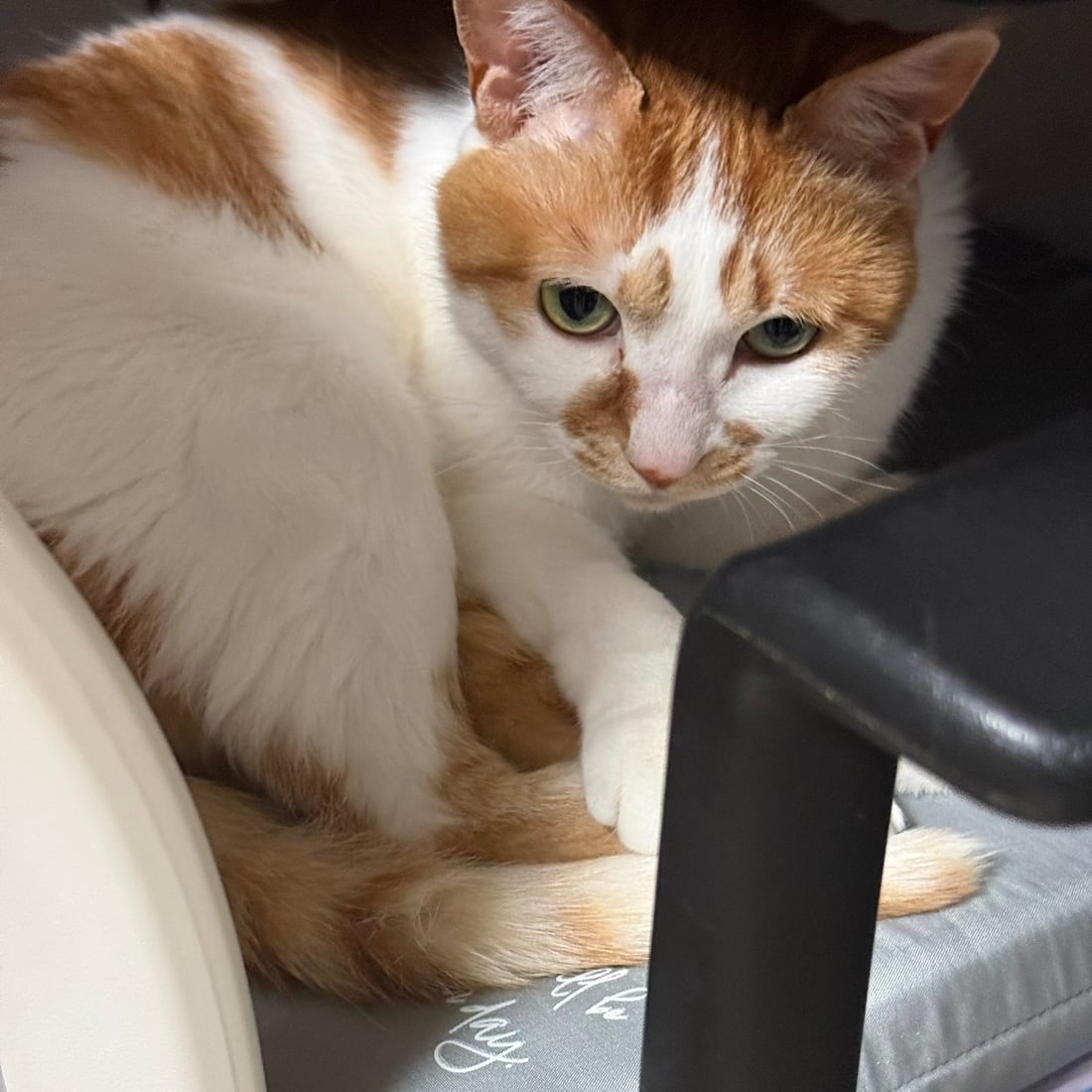
I have one of each type at home. Mochi eats fast and finishes. Yuja, our older tortie-orange rescue, has never eaten a full portion in one sitting in six years. She takes a few bites, wanders off, comes back twenty minutes later, repeats. So most of what follows comes from feeding a committed grazer.
Why grazing happens
A few common reasons a cat eats in small installments:
- It’s their natural rhythm. Cats are built to eat many small meals. One big bowl at 7 a.m. isn’t how their appetite is wired.
- The food gets stale fast. Wet food dries out and warm kibble loses aroma. Cats eat with their nose first, so a bowl that smelled great at breakfast smells like nothing by noon.
- They’re pickier than they let on. Some cats reject food that’s been sitting, been breathed on by another cat, or is sitting in a dirty bowl.
- Stress or over-facing. A giant mound of food, a bowl in a high-traffic spot, or another cat lurking nearby can make a sensitive cat take a few bites and bail.
None of these are medical. They’re logistics. And logistics you can fix.
The routine that stopped the vomiting for us
Here’s the part I actually want you to take away, because it took us a while to land on it.
Yuja doesn’t just graze — she used to vomit after eating. We assumed it was stress for the longest time. What actually fixed it was treating her food like it had an expiration clock:
- We don’t leave food out past 12 hours. With Yuja, if the food has been sitting longer than that, she’ll eat it late and then throw it up. So old food gets tossed, not topped off.
- Fresh food every time, not refilled. We don’t add new kibble on top of old. We dump what’s left and put down a fresh portion.
- We wash the bowl and dry it completely. A clean, dry bowl every serving. This one change made the biggest difference — once we cut out the film of old food and moisture, the vomiting stopped.
I can’t promise this is your cat’s issue too. But if you have a grazer who occasionally vomits after eating, tightening up the food’s freshness window is cheap to try and worth ruling out before you assume it’s anxiety.
How to build a grazing-friendly feeding routine
If your cat eats in small bites, stop fighting it and design around it. Here’s the structure that works in our house:
| Element | What we do | Why |
|---|---|---|
| Portions | Split the daily amount into 2–4 small servings | Fresh, appealing food more often |
| Freshness | Toss anything sitting past ~12 hours | Prevents stale-food refusal and stomach upset |
| Bowl | Wash and dry fully between servings | Removes the greasy film cats dislike |
| Location | Quiet spot, away from foot traffic | Nervous eaters relax and eat more |
| Separation | Feed multiple cats apart if one bullies | Grazers get to come and go in peace |
That last one matters if you have more than one cat. Yuja likes to hassle Mochi, and if Mochi has to eat under pressure she rushes or leaves. Feeding them in separate spots means the grazer can nibble on her own schedule without being body-checked mid-meal.
For wet food specifically, small servings are non-negotiable. Wet food left out for hours dries out and can spoil, so put down a couple of tablespoons at a time rather than a full can in the morning.
Wet, dry, or an automatic feeder?
Dry food tolerates grazing best because it doesn’t spoil in an hour. The trade-off is aroma — it fades, and a scent-driven cat may lose interest. Freshening the bowl with a new pour brings the smell back.
Wet food is more appealing to most nibblers but has a short counter life. Small, frequent servings are the only way to make it work for a grazer.
Automatic feeders are tempting for the many-small-meals crowd, and a timed dry-food dispenser can genuinely help — say, four small portions across the day. I’ll be honest that we don’t use one; with Yuja’s freshness quirks and her habit of ignoring anything that’s been out too long, I’d rather manage it by hand. If you buy one, look at the timed models on Chewy or Petco and expect to experiment with portion sizes before it clicks.
A note on picky grazers and new food
One thing that pairs badly with a grazing habit is a picky palate, and Yuja has both. Here’s the pattern we’ve learned the hard way: she’ll happily eat a new food the first few times, so we think we’ve found a winner and buy the big bag — and then she refuses it entirely. We’ve thrown out whole bags this way.
If your grazer is also picky, buy the smallest size first and give it more than a couple of days before you commit. A cat can be enthusiastic about a food for three days and then decide it’s dead to her. Don’t stock up until the honeymoon phase is clearly over.
When small bites are actually a red flag
To be clear about the line between normal and worth-a-call:
- Normal: Lifelong grazer, eats across many small visits, active, stable weight, occasional bowl left half-finished.
- Worth a vet visit: A cat who used to finish meals now eats only a bite or two; noticeable weight loss; eating then stopping while acting hungry (can point to dental pain); or grazing paired with lethargy, hiding, or repeated vomiting.
The key word is change. Yuja has always been a nibbler, so her pattern isn’t alarming — it’s her baseline. If your cat’s eating style shifts suddenly, that’s the version worth checking out, because mouth pain and nausea are easy to miss and quick for a vet to spot.
Otherwise, a cat that eats a few bites at a time is usually just being a cat. Keep the food fresh, the bowl clean, the portions small, and let them come and go. Six years in, that’s still how Yuja eats every single day — and I’ve stopped trying to change it.
This article is general information from a cat owner, not veterinary advice. Talk to your vet about your cat's specific situation.