Slow Feeder vs Regular Bowl for a Cat That Nibbles
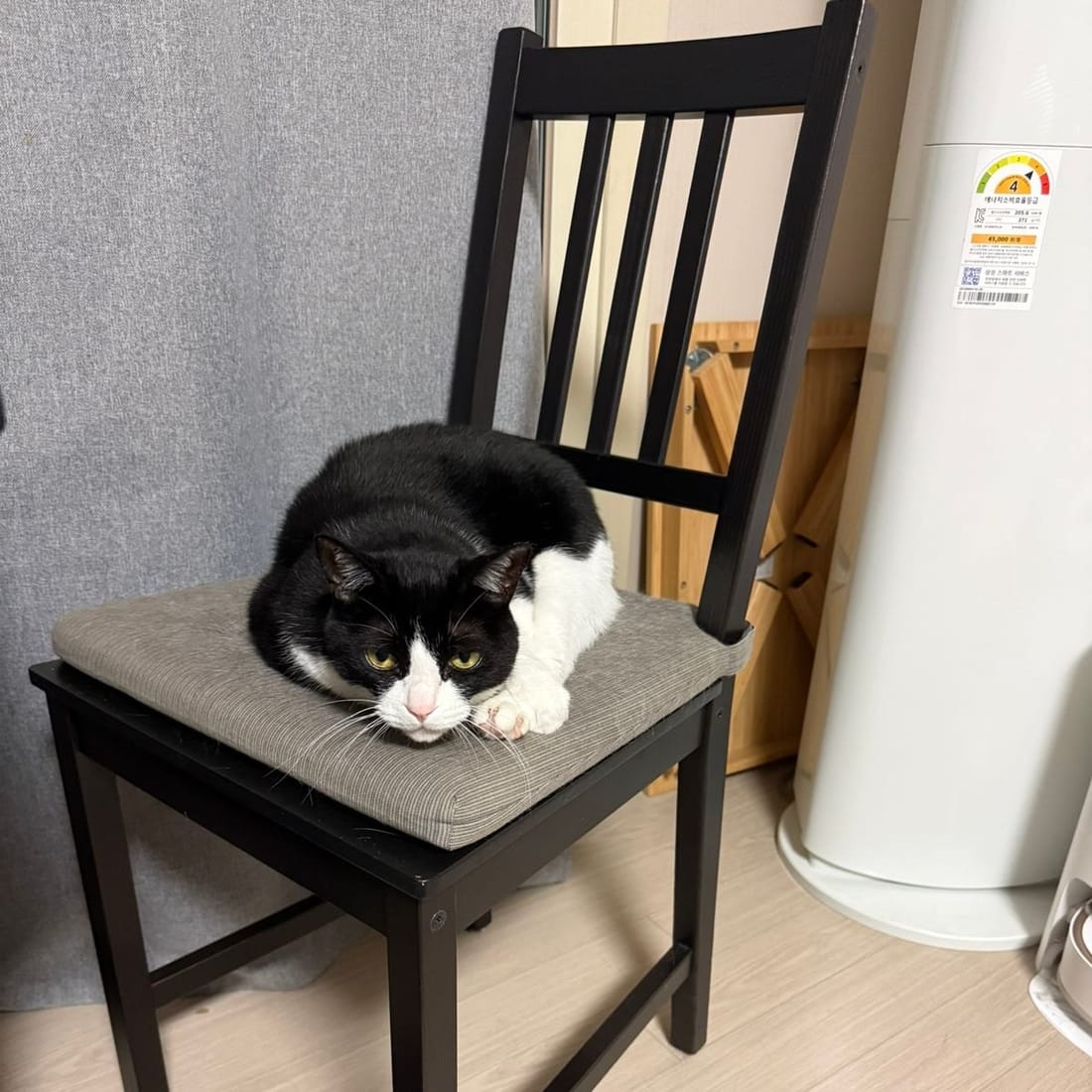
If your cat already eats slowly—a few bites, walks away, comes back later—skip the slow feeder. It’s built to solve the opposite problem: cats that inhale a full bowl in 30 seconds and then throw it up. For a natural nibbler, a slow feeder mostly adds friction, hides food, and makes an already fussy eater fussier. A plain, shallow bowl works better.
I learned this with Yuja, our older cat. She’s an extreme grazer who eats in five or six little sessions across a day. Every gadget I tried to “improve” her feeding made her eat less, not more. So this one comes from the messy end of trial and error, not a theory.
Why slow feeders exist in the first place
Slow feeders—the ridged plastic mazes, the silicone lick mats, the puzzle bowls—are designed for gulpers. The whole point is to force the cat to work around obstacles so a 5-minute meal takes 15. That’s genuinely useful for a cat that scarfs food and vomits it back up minutes later (that fast-eating regurgitation is a real, common thing).
The key word is fast. The problem the product solves is speed. If your cat isn’t fast, you’re buying a solution to a problem you don’t have.
What “nibbling” actually is
A nibbler is a grazer. She takes a few bites, wanders off, does something else, and drifts back an hour later. Left to her own schedule, a nibbler might visit the bowl four to six times a day and never finish it in one sitting.
This is normal cat behavior. Cats in the wild eat many small prey, not one big meal. So a grazing cat isn’t broken—she’s just doing the ancestral thing.
The trouble is that slow feeders assume the cat is motivated to keep digging. A hungry gulper will absolutely dig. A nibbler who’s only mildly interested at any given moment? She takes two bites, hits a plastic ridge, decides it’s not worth it, and walks off. Now she’s eaten less than she would have from an open bowl.
Why a slow feeder backfires for a grazer
Here’s what I’ve watched go wrong:
- Food gets hidden and goes stale. Bites stuck down in the grooves dry out. A grazer coming back three hours later finds crusty, hardened kibble she won’t touch.
- The cat quits early. Two bites, an obstacle, gone. Multiply that across the day and total intake drops.
- It’s a nightmare to clean. All those crevices trap food and moisture. For a cat that’s already picky about freshness, a not-quite-clean bowl is a dealbreaker.
- It adds stress to a sensitive eater. For an anxious cat, mealtime should be the easy part of the day, not a puzzle.
Yuja is picky in ways I didn’t fully understand for years. She won’t eat food that’s been sitting out past about 12 hours—if she does, she brings it back up later. What finally stopped the vomiting wasn’t a special bowl. It was swapping in fresh food, washing the bowl each time, and drying it so there’s no leftover water pooling. A slow feeder does the opposite of all that: it holds old food in places you can’t easily reach.
When a slow feeder still makes sense
I’m not anti-slow-feeder. If your cat actually gulps, they’re worth trying. Some situations where they help:
| Situation | Slow feeder? |
|---|---|
| Cat inhales food, then vomits it back up | Yes—this is the main use |
| Two cats, one steals the other’s food fast | Maybe, to slow the thief |
| Overweight cat that eats too quickly | Worth a try, ask your vet about portions |
| Grazer who eats a little at a time | No—use a plain bowl |
| Very picky or anxious eater | No—keep it simple |
Even for a gulper, start cheap. A silicone lick mat or a basic maze bowl from Chewy or Petco runs under $15. No need to buy the fancy puzzle feeder first.
What actually works for a nibbler
For a grazing cat, the goal isn’t to slow her down—it’s to keep the food appealing across all those little visits. Here’s what’s held up for us:
A wide, shallow bowl. Nibblers dip in and out constantly, and a deep or narrow dish causes whisker fatigue, where the sides brush the whiskers and annoy the cat. A flat, wide ceramic or stainless dish lets her grab a bite and go. Skip plastic—it scratches and holds odors.
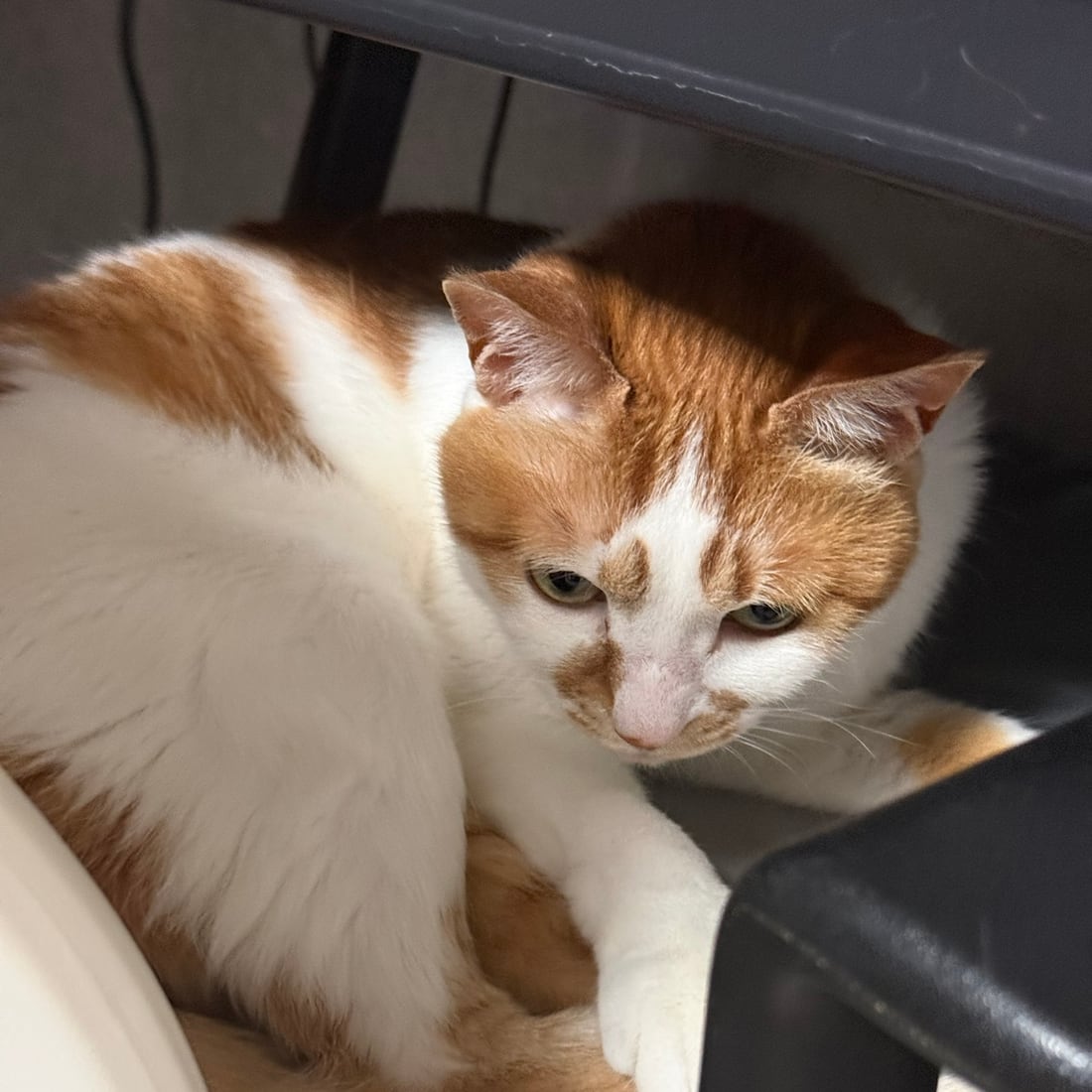
Fresh food each visit, if she’s fussy about it. With Yuja, I refresh the food and wash the bowl rather than let one portion sit out all day. It sounds like a lot, but it’s the single thing that stopped the throwing up. Not every grazer needs this—Mochi, our younger one, will happily finish whatever’s there—but a sensitive eater often does.
Smaller portions, more often. Instead of dumping a full day’s food at once and watching it go stale, put down less and top it up. You waste less and it stays fresh longer.
Toss the timer expectations. A grazer taking all day to finish a meal is fine as long as she’s eating enough overall and holding her weight. You don’t need to fix a schedule that isn’t a problem.
One honest caveat: not every “nibbler” is a happy grazer. If a cat who normally eats fine suddenly starts picking at food, eating way less, or losing weight, that’s not a bowl issue—that’s worth a vet visit, because dental pain and nausea both look like “she’s just being picky.” The pattern I’m describing here is a cat who has always eaten this way and is otherwise healthy and steady.
The short version
Match the tool to the actual problem. Slow feeders solve speed. If your cat’s issue is that she eats a little at a time, a slow feeder just makes food harder to reach and quicker to go stale—so she eats even less.
For a grazer, boring wins: a wide shallow bowl, food kept fresh, smaller portions topped up through the day. Six years in, that’s still what keeps Yuja eating without a mess, and I’ve stopped trying to reengineer a system that was never broken. Save the maze bowl for the cat who actually needs to be slowed down.
This article is general information from a cat owner, not veterinary advice. Talk to your vet about your cat's specific situation.