Why Does My Cat Hide When Guests Come Over?
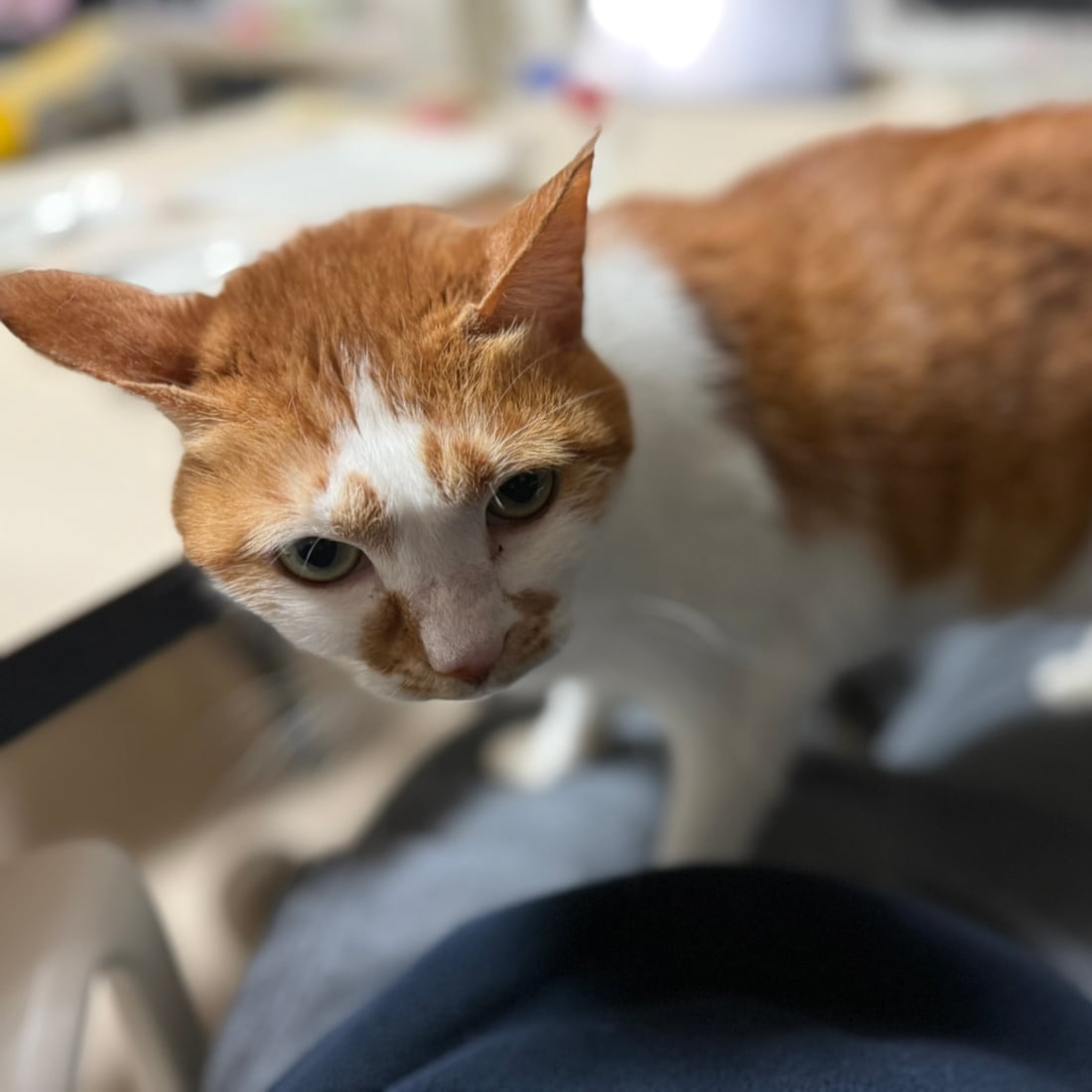
Your cat hides when guests come over because unfamiliar people, voices, and smells read as a threat, and hiding is a cat’s default safety move. It’s instinct, not a personality flaw or a snub aimed at your friends. A confident cat may just watch from a shelf; a sensitive one disappears until the house goes quiet.
This is one of the most normal things a cat does. In the wild, a small predator that’s also prey to bigger animals survives by getting out of sight when something changes. Your living room full of strangers is exactly that kind of change.
Why does hiding feel like the safest option to a cat?
Cats read a room through smell and sound before anything else. New people bring unfamiliar scents on their clothes, louder-than-usual talking, and movement patterns your cat can’t predict. Add a doorbell, shoes by the door, and maybe a bag rustling, and the whole scene screams “unknown.”
Our own two cats split perfectly down this line. Mochi, our tuxedo, is a full-on people cat at home — she meets us at the door every single day. But even she gets wary with a stranger in the house. Yuja, our orange-and-white first cat, is the opposite extreme: she’s sensitive about outsiders and the sound of plastic bags, and a new person in the room is enough to send her to a back room until they’re gone. Same house, same doorbell, two completely different responses. If that sounds familiar, two cats with opposite personalities is genuinely normal.
Hiding isn’t fear of you. It’s your cat choosing the one spot in the house where nothing unexpected can reach her.
Is it a problem, or just her personality?
For most cats, hiding from guests is simply a preference, not a red flag. The line between “shy cat being a shy cat” and “something’s wrong” comes down to how she acts after the visitors leave.
| Normal shy behavior | Worth a closer look |
|---|---|
| Hides when guests arrive, comes out within an hour of them leaving | Still hidden many hours after the house is quiet |
| Eats and drinks normally once it’s calm | Skips food for more than a day |
| Watches from a distance instead of bolting | A normally social cat suddenly hides with no guests around |
| Recovers fully by the next morning | Hiding paired with vomiting, limping, or weight loss |
A sudden shift matters most. If a cat who used to greet everyone starts vanishing for no reason, that can point to pain or illness rather than shyness, and a vet visit is the fast way to rule it out. But a cat who has always melted into the couch cushions when the doorbell rings is just being herself.
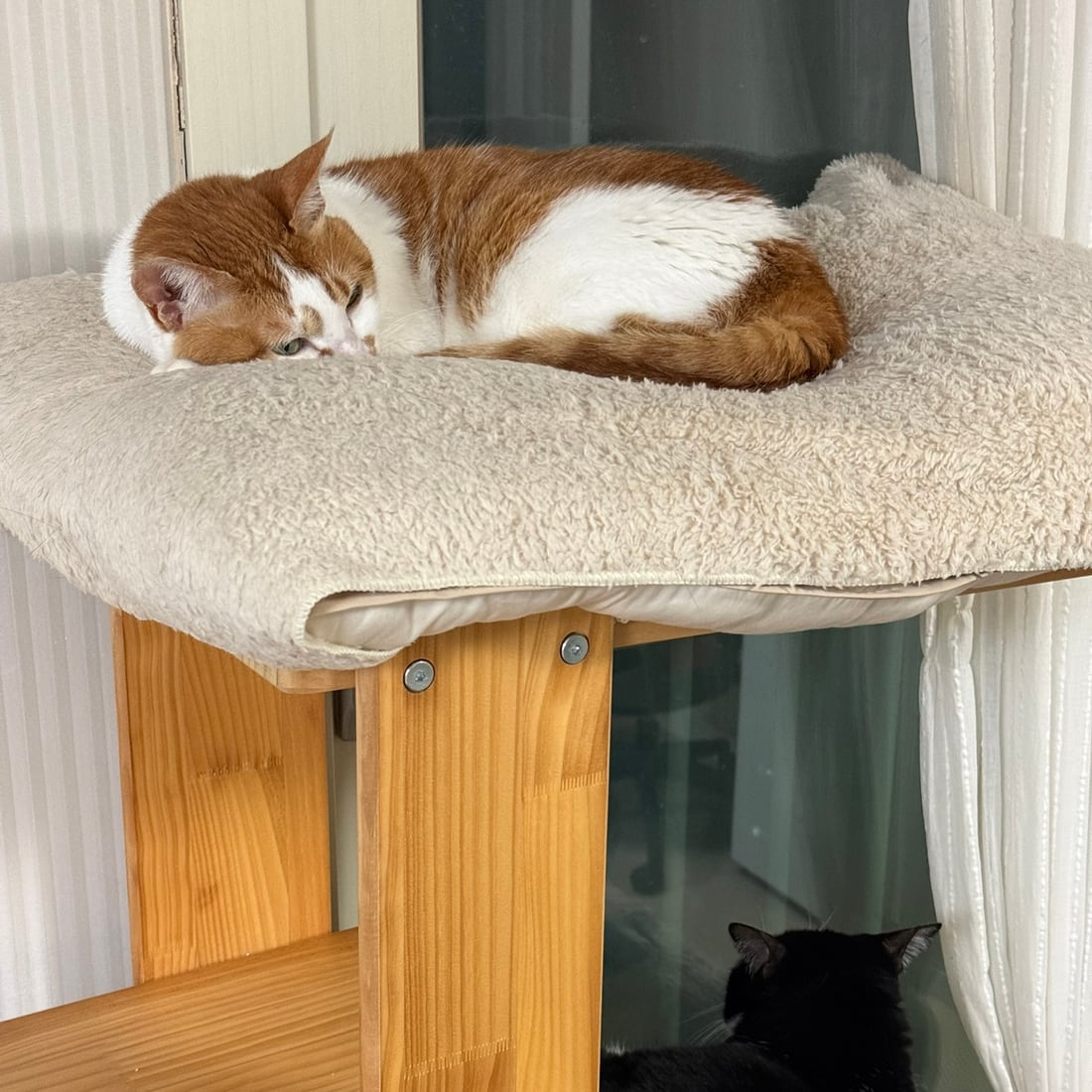
How can I help my cat feel safer during visits?
You can’t talk a cat into liking strangers, but you can lower the stakes so hiding is less desperate and recovery is faster. The goal isn’t to force a social butterfly — it’s to give her a good hiding spot and let her set the pace.
Here’s what actually helps:
- Give her a guaranteed escape route before anyone arrives. A closed-off bedroom, a covered bed, or a spot behind furniture where no one will reach in. When Yuja first came to us she spent two weeks behind the washing machine, and the fix wasn’t dragging her out — it was putting her food and water back there so she could stay safe and still eat.
- Don’t let guests approach, corner, or “coax” her. The people who ignore a cat completely are the ones she eventually trusts. Ask visitors to sit, keep their voices down, and pretend she isn’t there.
- Keep her food, water, and litter accessible in the safe zone. A cat won’t cross a room full of strangers to use the box. Put the essentials where she’s hiding so she isn’t forced to choose between safety and a full bladder.
- Skip the vacuum, loud music, and doorbell chaos when you can. Sudden noise stacks on top of the stranger stress. A calmer entry means a shorter hide.
- Let her come out on her own. If she pokes her head out mid-party, don’t announce it. Attention makes most shy cats reverse right back into hiding.
If a specific friend visits often, low-key repeated exposure can slowly help — same person, same quiet behavior, no grabbing. Over years, a nervous cat can loosen up a little. Yuja took four years just to let us touch her paws, so we’ve learned not to expect fast progress on anything involving trust.
What NOT to do when your cat hides
The mistakes are almost always well-meaning. People want the cat to feel welcome, so they do the exact things that make her feel hunted.
Don’t pull her out from under the bed to “show” guests. Don’t let a visitor follow her into the room she fled to. Don’t hold her while someone pets her — being restrained near a stranger is a classic setup for a scared bite. And don’t scold her for hiding; she’s doing the one thing that makes her feel safe, and punishing it just adds you to the list of scary things.
A cat who trusts that hiding is always allowed will actually recover faster. The cats who get worse over time are usually the ones who learned that the doorbell means someone is about to grab them.
The honest bottom line
Some cats will greet your guests, rub their legs, and steal a lap. Plenty of others will spend every party in a closet, and that is a completely valid way to be a cat. Mochi might eventually wander out to investigate; Yuja will not, and after six years we’ve stopped treating that as a problem to solve.
Judge success by recovery, not by whether your cat performs for company. If she’s eating, drinking, and back to normal once the house empties out, she’s fine. Give her the room, keep the guests hands-off, and let her decide when the coast is clear.
This article is general information from a cat owner, not veterinary advice. Talk to your vet about your cat's specific situation.